Land Acquisition for Lumber River State Park
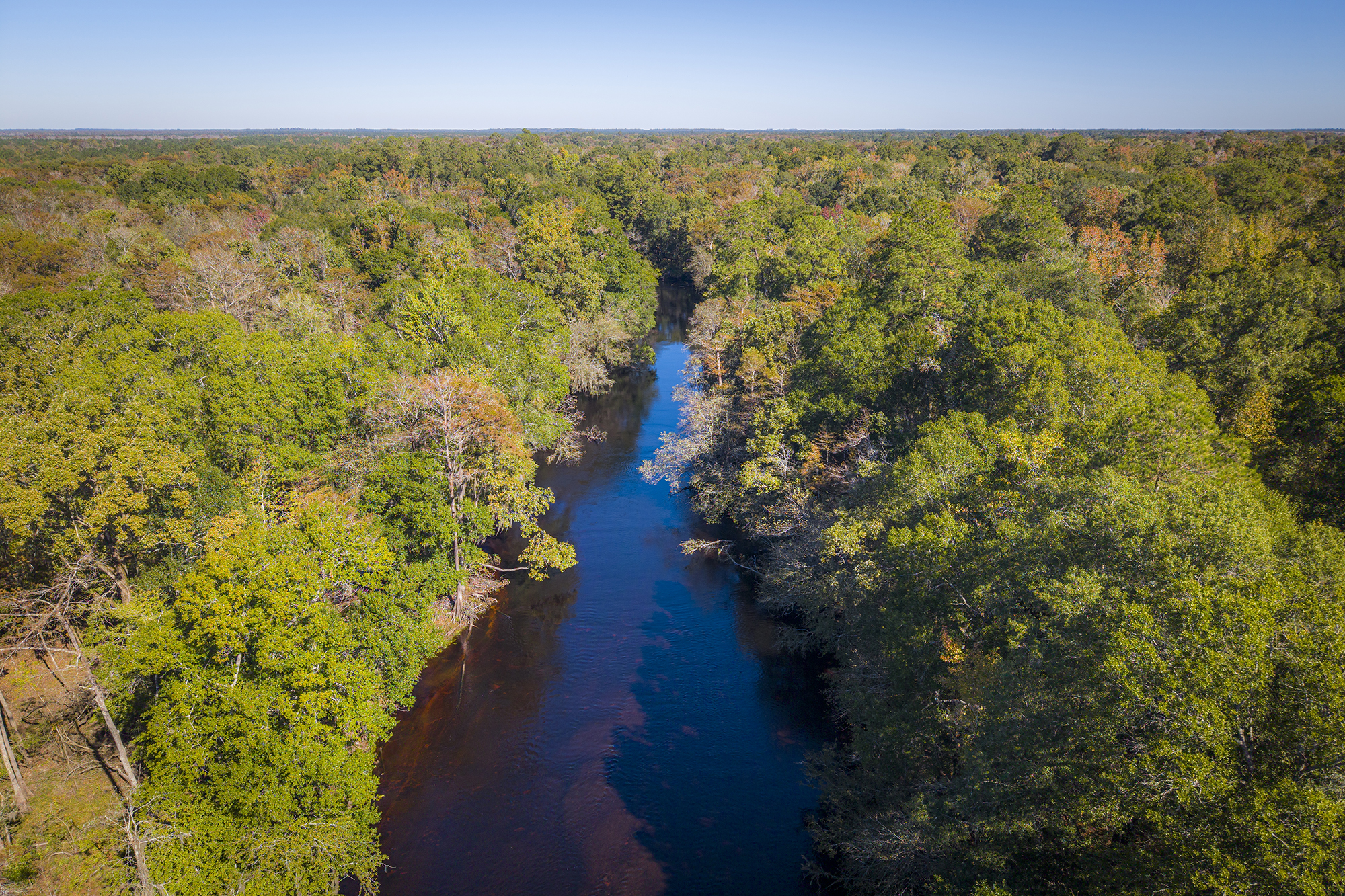
FAIR BLUFF – North Carolina State Parks, in collaboration with The Conservation Fund, has secured a significant 3,005-acre parcel of land near the South Carolina border, which will be incorporated into Lumber River State Park. This tract, situated in Robeson County close to Fair Bluff, will help safeguard the western banks of the Lumber River, which holds dual designations as a National Wild and Scenic River and a state Natural and Scenic River, celebrated for its recreational opportunities and ecological value. N.C. State Parks operates under the N.C. Department of Natural and Cultural Resources.
Governor’s Commitment to Conservation
Governor Josh Stein emphasized the importance of preserving North Carolina’s natural beauty, stating, “Protecting this land along the Lumber River will help preserve it for generations to come.”
The Conservation Fund played a crucial role in facilitating this acquisition, purchasing the land from a willing seller with a $4.05 million grant from the North Carolina Land and Water Fund, supplemented by private donations. N.C. State Parks will acquire the land from The Conservation Fund using a $3.6 million grant from the federal Land and Water Conservation Fund (LWCF), along with an additional $234,375 from the state Parks and Recreation Trust Fund, which was approved for the fiscal year 2025-26.
Benefits of the New Acquisition
According to Pam Cashwell, Secretary of the Department of Natural and Cultural Resources, this land acquisition is vital for maintaining water quality, promoting outdoor recreation, and enhancing the long-term resilience of the region. She noted that it will also protect a significant stretch of the federally designated National Wild and Scenic River system.
Guenevere Abernathy, the North Carolina state director for The Conservation Fund, remarked on the collaborative effort, highlighting that such conservation successes are achieved when stakeholders unite around a common goal. She expressed enthusiasm for incorporating the newly protected 3,005 acres into Lumber River State Park, emphasizing the benefits for local wildlife and residents alike.
Impact on Local Heritage and Ecosystem
U.S. Senator Thom Tillis, who represents the region, acknowledged the importance of North Carolina’s natural resources, stating that the protection of this land reinforces the state’s outdoor heritage and guarantees that future generations will have access to these natural treasures.
The Lumber River basin supports extensive wetlands that are home to various endangered and rare species. This river has historically served as a vital water source for local communities, including the Lumbee Tribe. Earlier this year, the Lumber River was ranked fourth on American Rivers’ list of the Most Endangered Rivers in the United States.
Expanding Lumber River State Park
Lumber River State Park spans Columbus, Robeson, Scotland, and Hoke counties, located approximately 60 miles south of Fayetteville. The park features three primary access points along its 115-mile stretch: Princess Ann in Orrum, Wire Pasture in Maxton, and Chalk Banks in Wagram. The recent opening of the Wire Pasture access this summer is in proximity to the Lumbee Tribe Cultural Center and the University of North Carolina at Pembroke. With the addition of this new land, the park’s total area will increase to 16,594 acres, making it the second-largest unit in the state parks system, following South Mountains State Park.
Source: N.C. Department of Natural and Cultural Resources