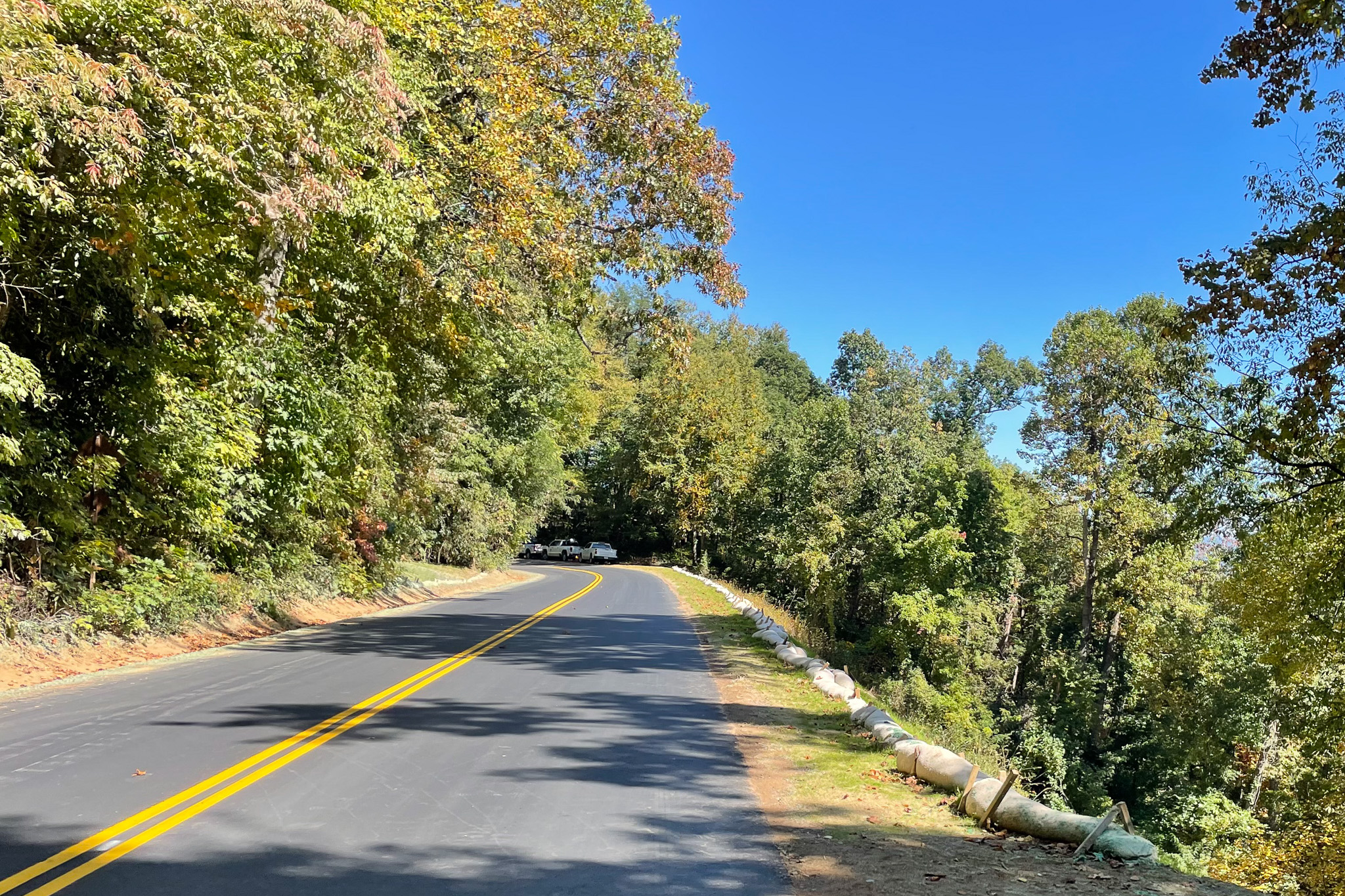
ASHEVILLE, N.C. — The National Park Service has announced the reopening of the last segment of the Blue Ridge Parkway that was closed due to damage caused by Hurricane Helene. The newly accessible 11-mile section runs from milepost 344 at NC-80 to milepost 355, which is located near Mount Mitchell State Park.
Recovery from Hurricane Helene
This reopening represents a significant achievement in the ongoing recovery efforts following Hurricane Helene, which struck in September 2024. The storm resulted in heavy rainfall, leading to flooding, landslides, and debris flows that severely impacted the region’s roadways, bridges, overlooks, and other park infrastructure. Since the hurricane, the park has successfully addressed more than 60 sites affected by landslides along the Parkway, including 12 within the newly reopened section.
Support from the Community
Tracy Swartout, Superintendent of the Blue Ridge Parkway, remarked on the challenges faced during the recovery process, stating, “Hurricane Helene presented extraordinary challenges for the Blue Ridge Parkway and the surrounding region.” She expressed gratitude towards the park’s employees, contractors, partner agencies, and local communities for their collaborative efforts, highlighting their role in reaching this milestone. Swartout also noted the anticipation of welcoming visitors back just in time for the Thanksgiving holiday.
Visitor Advisory
Although access has been restored, visitors should be aware that construction activities are still ongoing in the area. This may lead to single-lane closures as crews finalize repairs. Motorists are advised to stay alert, adhere to posted signs and instructions from work crews, and allow for extra travel time when necessary.
Visitors planning to travel the Parkway are encouraged to prepare in advance. Seasonal weather, ongoing maintenance, and other factors may cause temporary road or facility closures. Those traveling at higher elevations should be especially cautious, as winter weather conditions can change rapidly, even if lower areas are clear.
Source: National Park Service