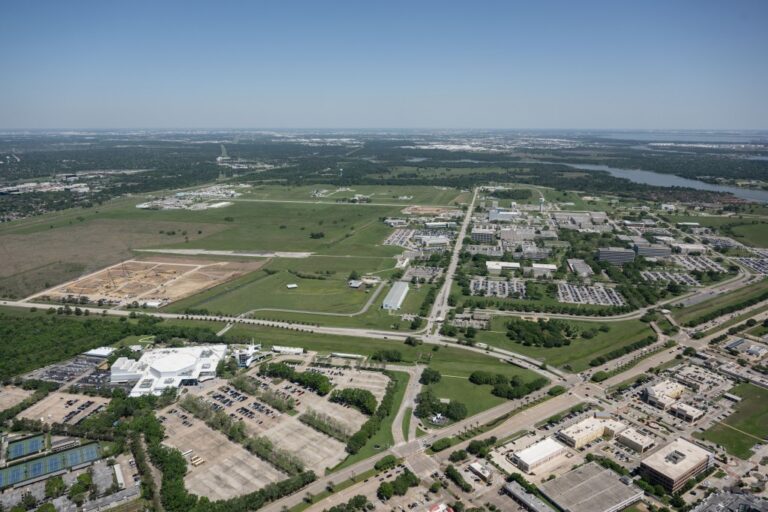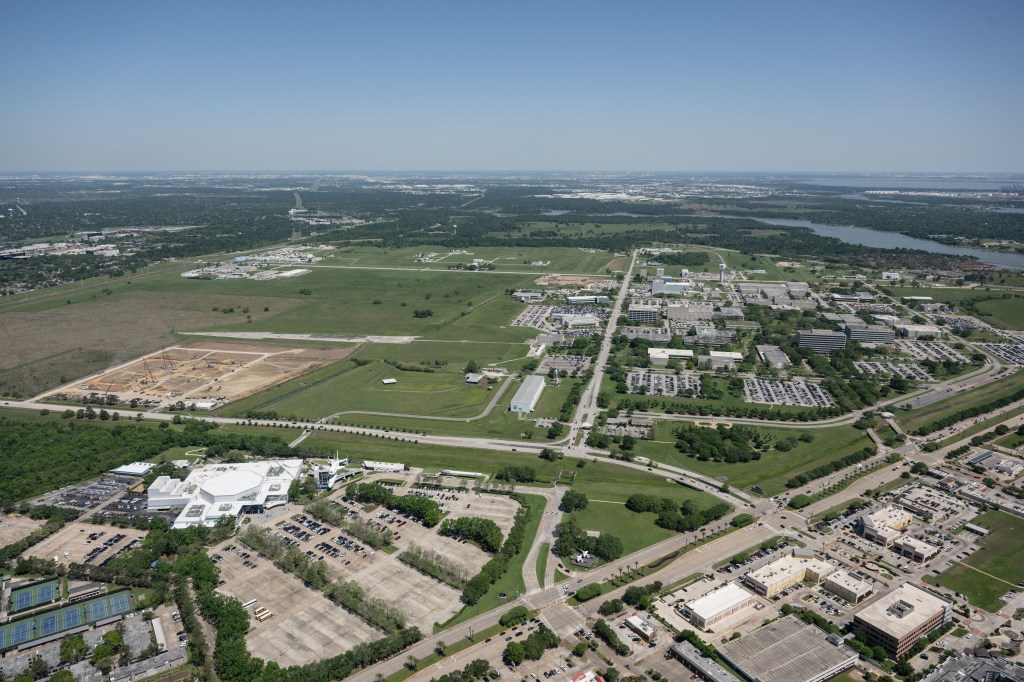
Celebrating 65 Years of Space Exploration
NASA’s Johnson Space Center (JSC) in Houston marks its 65th anniversary this year, a milestone that reflects decades of commitment to human spaceflight. Established to lead the nation’s efforts in this area, JSC has been instrumental in numerous missions, from Project Mercury to the current Artemis program.
Today, JSC is recognized as NASA’s Center of Excellence for Human Spaceflight, playing a pivotal role in advancing space exploration. It houses America’s astronaut corps, the Mission Control Center, and various support teams that have contributed to many historic achievements in space travel. As NASA’s human spaceflight initiatives evolve, JSC remains central to these advancements.
Historical Roots and Growth
The origins of the center trace back to President John F. Kennedy’s 1961 speech, in which he set the ambitious goal of landing a man on the Moon by the decade’s end. Initially, NASA’s Space Task Group was focused on Project Mercury, but the added mission of lunar exploration necessitated the establishment of a dedicated center for human spaceflight. After evaluating several potential locations, NASA announced on September 19, 1961, that the Manned Spacecraft Center would be located near Houston. The center officially opened on November 1, 1961, and was later renamed to honor President Lyndon B. Johnson for his support of the U.S. space program.
Facilities and Innovations
The Manned Spacecraft Center began operations in a series of leased buildings while construction progressed. The initial phase saw the development of several structures, including the nine-story Project Management Building, completed in 1964, which became a hub for mission management.
Over the years, JSC has expanded its facilities to accommodate the growing demands of space programs. Key structures include the Neutral Buoyancy Laboratory, which has been essential for astronaut training in preparation for spacewalks, and the Lunar Receiving Laboratory, which played a crucial role in studying lunar samples returned from Apollo missions.
Training and Simulation Facilities
Various training facilities at JSC have evolved to support the needs of astronauts throughout the years. The Space Vehicle Mockup Facility, initially focused on lunar training for Apollo astronauts, has adapted to include mockups for the International Space Station and NASA’s Orion spacecraft. Additionally, the Mission Simulation and Training Facility has provided essential training for astronauts since the Gemini program, incorporating advanced simulators for various missions.
The Mission Control Center, which oversees human spaceflight missions, was completed in 1964 and has since been the nerve center for every NASA human spaceflight mission. It was renamed the Christopher C. Kraft, Jr. Mission Control Center in 2011, honoring one of the pioneers of human spaceflight operations.
Looking to the Future
As Johnson Space Center celebrates its 65th anniversary, it stands at the forefront of a new era in space exploration. With its ongoing support for the Artemis missions aimed at returning humans to the Moon and beyond, JSC continues to play a vital role in humanity’s quest to explore the cosmos.
Source: NASA