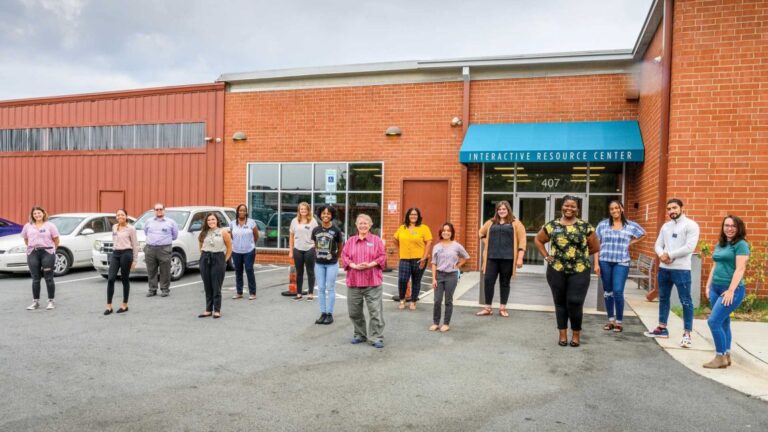
The Innovation Leadership Council (ILC) convened for the first time to establish a statewide strategy for recognizing and expanding effective educational practices, as outlined by the North Carolina Department of Public Instruction (NCDPI) in its strategic framework, Achieving Educational Excellence. This newly formed 25-member council comprises representatives from various educational sectors across all eight regions under the State Board of Education (SBE).
The council was formed after a rigorous selection process involving nearly 400 applicants, uniting educators and leaders from traditional public schools, charter institutions, lab schools, higher education, and research organizations. Members reflect a diverse array of communities, including rural, suburban, and urban areas throughout North Carolina.
Goals of the Council
As part of Pillar 6 in the Achieving Educational Excellence plan, which emphasizes transformative change, the council aims to create a structured method for identifying and assessing innovative educational practices. Additionally, it will publish an annual compilation highlighting effective strategies and methods that demonstrate improved outcomes in public schools across the state.
“When we wrote Achieving Educational Excellence, the very first action under Pillar 6 was to create this council, because leading transformative change starts with finding the people already doing it,” stated Maurice “Mo” Green, the North Carolina Superintendent of Public Instruction. He emphasized the importance of uncovering successful strategies that could benefit the entire state.
First Meeting in Wilmington
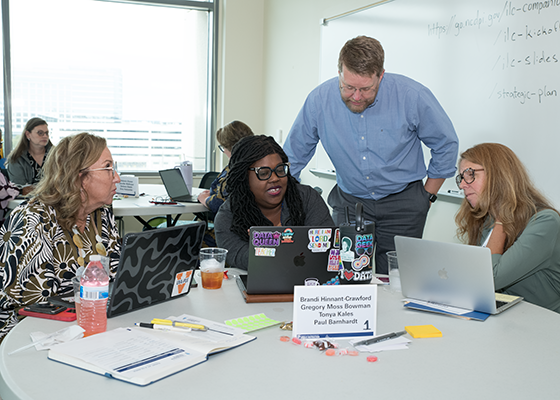
The inaugural meeting took place on September 22 and 23 at Cape Fear Community College in Wilmington. This two-day event was organized by NCDPI in collaboration with the North Carolina Center for the Advancement of Teaching (NCCAT). During this initial gathering, council members worked together to define the council’s operations and how it could effectively showcase existing successful educational practices.
Members discussed methods to evaluate the evidence supporting these practices and explored ways to facilitate learning opportunities for educators to adapt successful strategies in their own settings. The discussions led to preliminary recommendations that will be further developed by ILC workgroups in the coming months, as the council prepares to issue a statewide request for innovative practices in early 2027.
Future Initiatives
Starting in 2027, the ILC is expected to initiate a statewide call for evidence-based practices, evaluate and select those that demonstrate significant impact and potential for broader application, and compile an annual collection of innovative efforts occurring in North Carolina’s public schools. The council will also provide guidance to NCDPI and the SBE on enhancing conditions that promote innovation and cross-sector collaboration.
Council Member Profiles
The council includes a diverse group of educators and leaders such as Robin Anderson, an associate professor at North Carolina State University, and Marlow Artis, the principal of Craven Early College High School. Other notable members include Lora Cohen-Vogel from the University of North Carolina at Chapel Hill, Gregory Moss Bowman from Southwest Guilford High School, and Tonya Kales, associate superintendent of academic services in Gaston County Schools, among others. Their combined expertise aims to foster educational innovation throughout the state.
Source: N.C. Department of Public Instruction