NASA Johnson Space Center Celebrates 65 Years of Spaceflight
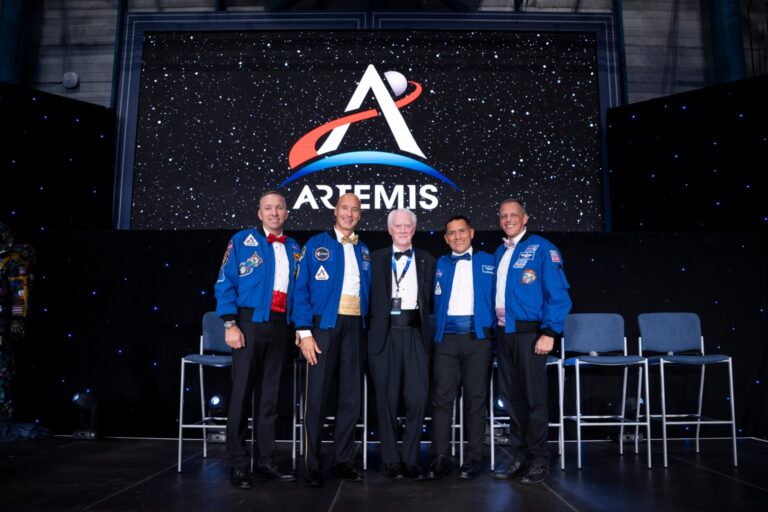
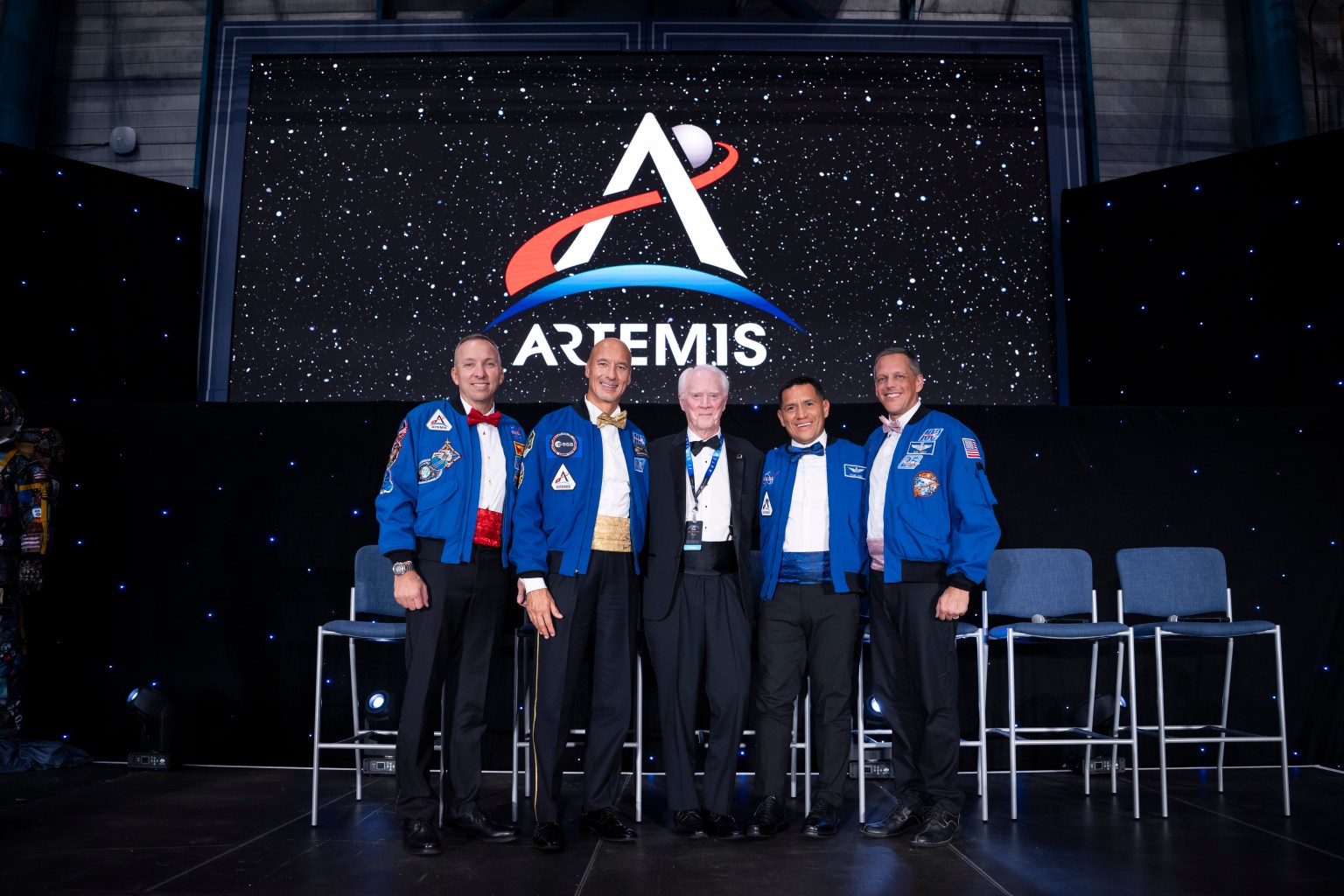
NASA’s Johnson Space Center in Houston commemorated its 65th anniversary on November 19, 2026, at Lunar Receiving Park, highlighting its pivotal role in human space exploration. Over the decades, the center has contributed significantly to various missions, including the Gemini and Apollo programs, and is currently focused on NASA’s Artemis initiative, which aims to return astronauts to the Moon and establish a sustainable human presence there.
Historical Milestones in Human Spaceflight
Since its establishment as the Manned Spacecraft Center on November 1, 1961, Johnson has evolved into a central hub for American human spaceflight. The center began its journey with Project Mercury, which included the first American orbital flight. The Gemini program, launched shortly thereafter, used the center’s new Mission Control, which started operations in June 1965. This program was notable for the first American spacewalk and laid the groundwork for the subsequent Apollo missions. After the tragic Apollo 1 incident in January 1967, significant safety improvements were implemented, leading to the successful Apollo 8 mission around the Moon in December 1968 and the historic Apollo 11 moon landing in July 1969.
Following the Apollo missions, the Lunar Receiving Laboratory at the center analyzed lunar samples, contributing to global research efforts. Although the laboratory was demolished in March 2024, its legacy continues through the Lunar Sample Laboratory Facility, which is part of Johnson’s Astromaterials Research and Exploration Science division.
Advancements in Space Research and International Collaboration
The Skylab missions in the 1970s showcased the center’s capacity to support long-duration human missions. Despite initial challenges with Skylab, including thermal shield loss, Johnson’s engineers rapidly developed solutions that allowed the station to conduct extensive research. This laid the foundation for future joint missions, such as the Apollo-Soyuz Test Project in 1975, which marked the first international crewed spaceflight.
Subsequently, the development of the Space Shuttle program in the late 1960s and its launch in April 1981 represented a significant advancement in reusable spacecraft technology. The program conducted 135 missions, facilitating numerous scientific experiments and satellite deployments while enhancing safety protocols following the Challenger and Columbia disasters. The shuttle program concluded in July 2011, marking the end of an era in American spaceflight.
International Space Station: A Continuous Human Presence
The International Space Station (ISS), first approved in 1984, has served as a critical platform for research and international collaboration in space. Johnson oversees the mission control operations for the ISS, which has been continuously inhabited since November 2, 2000. Over the past 26 years, astronauts and cosmonauts from various countries have conducted thousands of experiments aboard the station, contributing to scientific knowledge and technology development.
Johnson’s facilities, such as the Space Vehicle Mockup Facility and the Neutral Buoyancy Laboratory, play vital roles in astronaut training and mission preparation. Research conducted aboard the ISS aids in understanding the effects of long-duration spaceflight, essential for future exploration missions beyond low Earth orbit.
Preparing for Lunar Exploration and Beyond
The Artemis program signifies a new chapter in NASA’s exploration efforts, aiming to establish a sustained human presence on the Moon. Following the Artemis II mission, which successfully orbited the Moon, NASA is set to advance its Artemis III mission, involving integrated operations between its Orion spacecraft and commercial lunar landers.
Johnson is actively working on the Moon Base Program, which focuses on robotic exploration and infrastructure development to support human activities on the lunar surface. This initiative aims to enhance capabilities for lunar exploration, including the use of lunar terrain vehicles to facilitate scientific research and equipment transport.
As NASA embarks on its next ambitious endeavors, the expertise and experience accumulated at Johnson over the past 65 years will be crucial in guiding humanity’s return to the Moon and eventual exploration of Mars.
Source: NASA