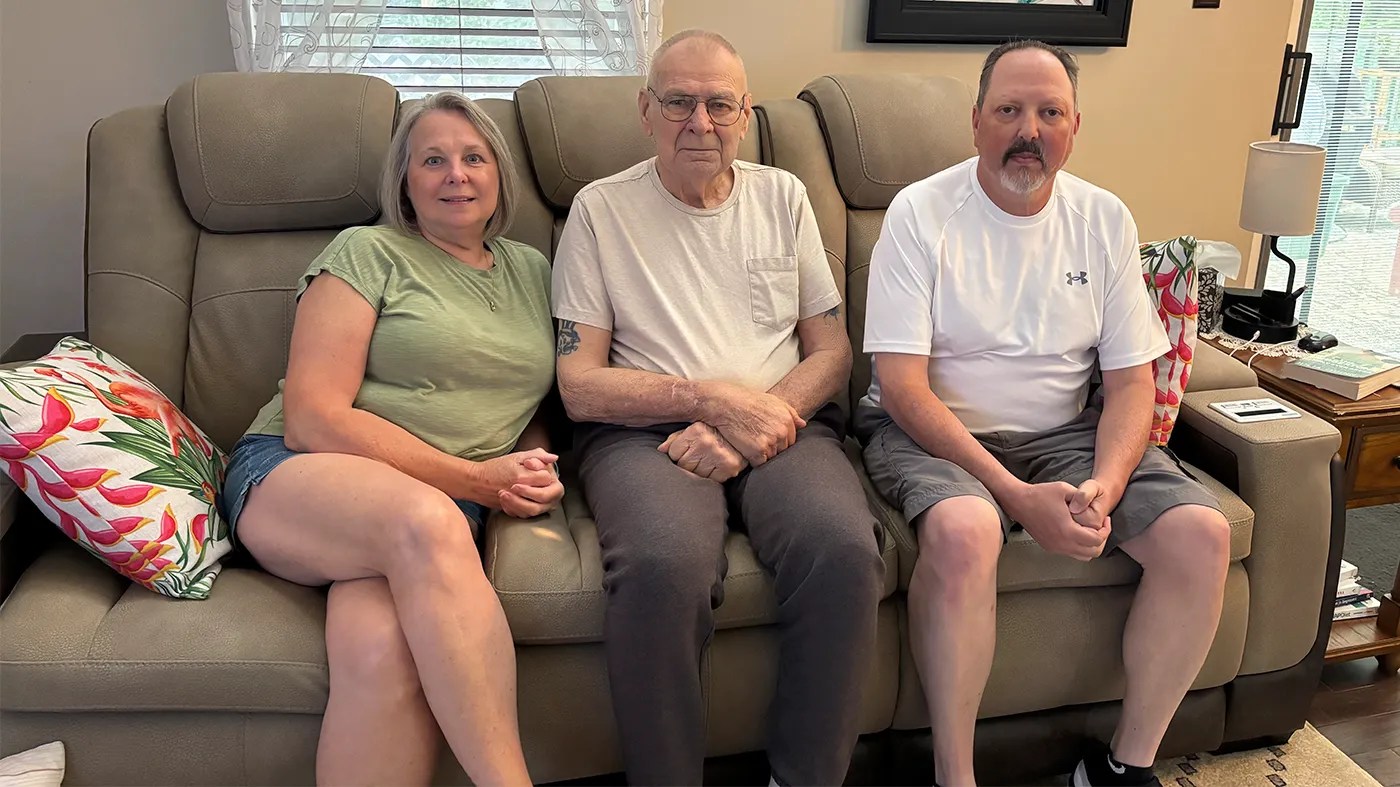
Cindy Spade is dedicated to caring for two Marine Corps Veterans who are significant in her life: her father, Thomas Potemra, and her husband, William Spade. While their military service occurred decades apart, both men currently face serious health issues.
Potemra’s journey into the Marine Corps began after he was inspired by a friend’s enlistment and the allure of the uniform. He served as an 1811 tank crewman for 11 years, stationed at Camp Lejeune, North Carolina, and later deployed to Vietnam. A tank explosion during his service left him with shrapnel wounds, earning him two Purple Hearts. Unfortunately, this incident marked the onset of various health complications.
Years after his return from military service, Potemra has dealt with numerous health challenges, including chronic obstructive pulmonary disease, heart disease, and bladder cancer, compounded by the lasting effects of his wartime injuries. Despite these adversities, he maintains a strong sense of independence, utilizing a stair glide, wheelchair ramp, and walker for safety at home.
Meanwhile, her husband William is also grappling with health issues stemming from his own service. He served in the Marines from 1983 to 1995 and later joined the West Virginia National Guard. His decision to enlist was influenced by discussions with a Marine recruiter and the example set by a family member who served in World War II. In his military career, he held various roles, most recently as a military police officer. He describes his time in the Marines as “chaotic,” with an experience he reflects on with pride.
William is a three-time cancer survivor and is currently undergoing treatment for leukemia, having previously battled plasmacytoma and multiple myeloma.
Support Through Caregiver Programs
Cindy’s experience with loss, having lost her mother to cancer six years ago, heightened her anxiety about potentially losing either William or her father. Recognizing the long-term effects of military service across generations, she realized the importance of finding support.
After discovering the VA’s Caregiver Support Program (CSP), she applied for the Program of Comprehensive Assistance for Family Caregivers (PCAFC) and was accepted as the caregiver for both her husband and father. The PCAFC, along with the Program of General Caregiver Support Services, is designed to assist Veterans and their families nationwide.
The support provided by these programs has been crucial for Cindy. She noted, “The program has helped me become a better caregiver.” Through education, resources, and ongoing guidance from VA social workers, she has gained confidence in managing her caregiving responsibilities. She values services such as homemaker home health aides and respite care, which allow her to recharge while ensuring her loved ones receive quality care.
Although her father prefers to maintain his independence and has declined some in-home services, Cindy finds reassurance in knowing that these resources are available. The relationships she has formed with VA social workers have proven invaluable, providing her with guidance and support.
Building a Community of Caregivers
Cindy has also created connections with fellow caregivers who share similar experiences, finding solace in their understanding of the joys and challenges of caregiving. She recently participated in the VA Caregiver Support Safety Day, where she received refresher CPR training, learned about respite care and suicide prevention, and interacted with occupational therapists who provided practical knowledge and supplies.
William expressed appreciation not only for his own care from the VA but also for the support that his wife receives through the CSP. He acknowledged that the caregiver support team plays a vital role in enabling Cindy to provide care for both him and her father.
Despite the demanding nature of caregiving, Cindy remains committed to ensuring that both Veterans live with comfort, safety, and dignity. Her father enjoys watching cooking shows and military history programs, as well as reminiscing through family photographs, particularly those of his late wife. William spends his time engaging with history programs, YouTube, and car shows while continuing his cancer treatment. Cindy hopes for a future where the family can travel together and visit national parks.
As the VA celebrates a century of social work, Cindy’s story highlights the significant impact that social workers can have in empowering caregivers with the necessary education, resources, and compassionate support, ultimately strengthening families and ensuring Veterans receive the care they deserve.
Source: U.S. Department of Veterans Affairs