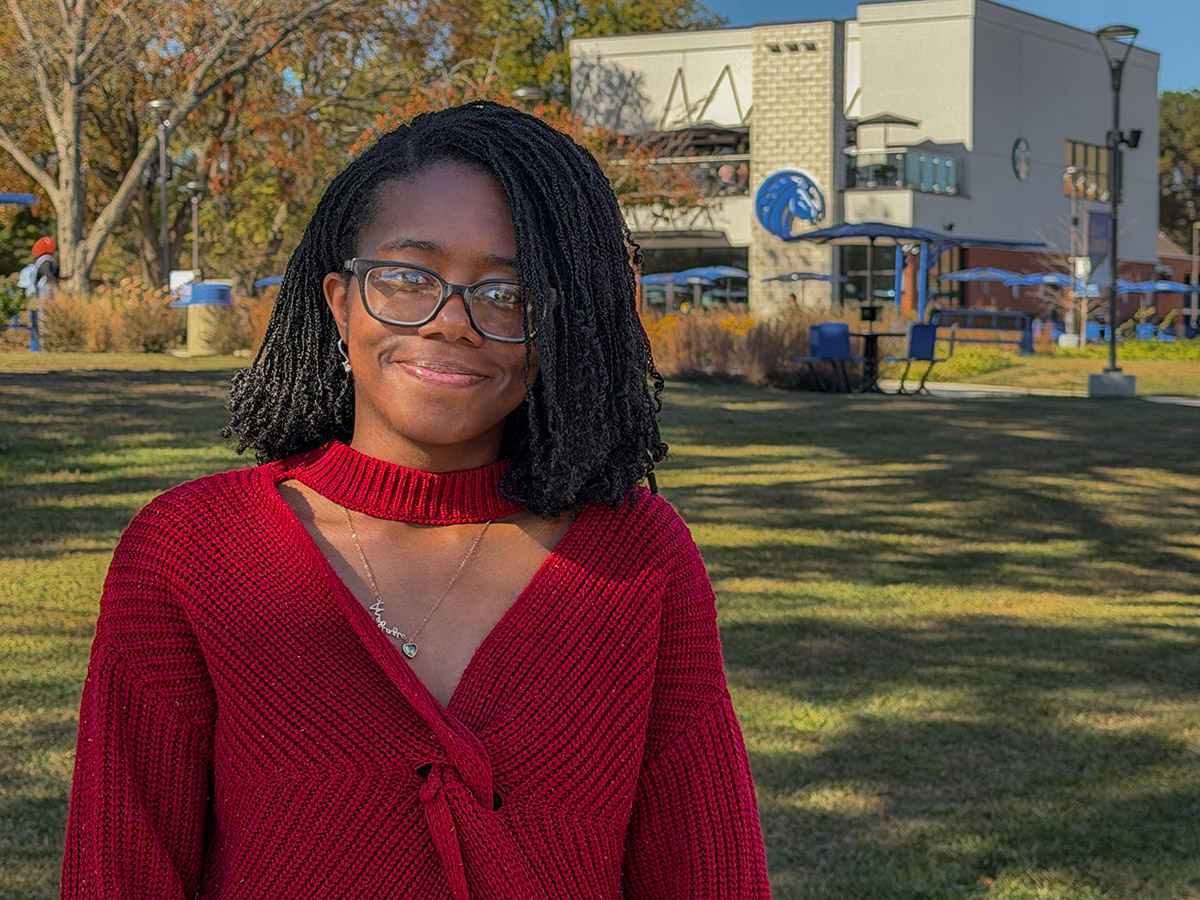
Personal Journey Inspires Academic Inquiry
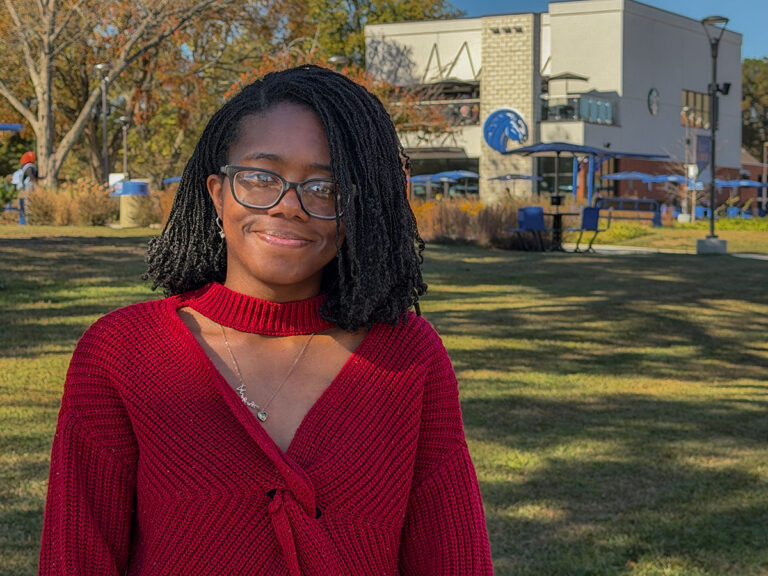
Anastasia Sellars-Thompson’s pathway through higher education has been deeply influenced by her personal experiences with her grandmother, who became her primary caregiver during a family crisis. At the age of 14, Sellars-Thompson moved in with her grandmother under an informal kinship care arrangement, which posed significant challenges as they navigated a complex support system.
Prior to living with her grandmother, Sellars-Thompson had been out of school for nearly two years, missing an entire seventh-grade year and most of eighth grade. When her grandmother attempted to enroll her in school, they discovered the need for legal documentation that would grant her the authority to make educational decisions. Seeking assistance from the Department of Social Services led to a social worker being assigned to their case, allowing her grandmother to obtain temporary guardianship. However, by the time these arrangements were finalized, only three months remained in the academic year.
Despite these hurdles, Sellars-Thompson excelled academically, ultimately graduating from high school a year early as the valedictorian. Reflecting on her upbringing, she began to question why families like hers faced such barriers when they stepped in to provide care for their grandchildren and why resources for caregivers were often difficult to access.
Academic Pursuits and Research Focus
Currently a senior majoring in social work at Fayetteville State University, Sellars-Thompson is also a Ronald E. McNair Scholar. Through the McNair Scholars Program, she has developed the skills to critically analyze social issues, guided by her adviser and research mentor, Dr. Tamara Woods. This mentorship has inspired her to channel her personal experiences into significant academic research.
Her thesis, titled “Invisible Caregivers: Financial Policy Gaps Affecting Grandmother-Led Kinship Care in the United States,” investigates the disparities in financial and administrative support for relatives caring for children compared to licensed foster parents. In her research, she highlights obstacles such as unequal financial assistance, the lack of supportive services, and the emotional and financial burdens faced by kinship caregivers.
This inquiry has evolved from a personal question into a comprehensive 56-page thesis that addresses broader systemic issues. Sellars-Thompson emphasized that the challenges her grandmother faced are not isolated but rather indicative of systemic gaps affecting many families nationwide.
Expanding Horizons Through Research and Mentorship
Sellars-Thompson’s experiences as a McNair Scholar have provided her with unexpected opportunities, including participation in the McKinney Scholars Program at the University of North Carolina Frank Porter Graham Child Development Institute. This program focuses on research, mentorship, and child development, allowing her to collaborate with seasoned researchers and explore practical applications of research findings.
Her engagement with implementation science has sparked her interest in how research can effectively reach and benefit families in need. She is currently working with Dr. Woods to refine her thesis manuscript with hopes of pursuing publication, aiming to use her research to influence policy and improve resource access for kinship families in North Carolina.
Future Aspirations and Commitment to Social Change
As Sellars-Thompson approaches graduation, she plans to pursue a Master of Social Work, ultimately aspiring to become a Licensed Clinical Social Worker. Her goal is to work with children, adolescents, and families while continuing to engage in research and advocate for policy changes.
Long-term, she envisions establishing a private practice and enhancing support systems for kinship caregivers. She also aims to expand transitional housing for youth aging out of foster care and pursue a doctoral degree to educate and mentor future social workers.
Reflecting on her journey, Sellars-Thompson credits her grandmother’s resilience and resourcefulness as the foundation for her research and purpose. While she cannot change the obstacles they faced, she is dedicated to raising awareness about the significance of these barriers and hopes to ensure that families like hers receive the support they need. According to Sellars-Thompson, Fayetteville State University has been instrumental in transforming her questions into research, facilitating discussions, and creating pathways for meaningful change.
Source: Fayetteville State University