Manatee Sightings Reported Along North Carolina Coast
Throughout the spring to fall months, Florida manatees (Trichechus manatus latirostris) are frequently observed along the coast of North Carolina, inhabiting its oceans, estuaries, and rivers. The North Carolina Aquarium Marine Mammal Stranding Team, in collaboration with various partners across the state, responds to numerous reports of manatee sightings and occasional strandings each year.
Threats to Manatees Identified
As a species listed as threatened under the Endangered Species Act and categorized as depleted under the Marine Mammal Protection Act, Florida manatees face numerous dangers. These include natural challenges like cold stress and toxins from harmful algal blooms. Additionally, human activities such as boat strikes, entanglement in fishing gear, and habitat destruction from nutrient runoff that harms seagrass beds further threaten their survival.
With the onset of cooler temperatures, North Carolina’s waters become inhospitable for manatees, prompting most to migrate south to warmer environments. Those that remain risk developing cold stress syndrome, which can be fatal. Over the past 32 years, there have been 17 recorded manatee strandings in North Carolina, with the majority linked to cold stress. However, the danger of vessel strikes remains a significant concern, particularly in areas where manatees and boats coexist.
Reporting Sightings and Strandings
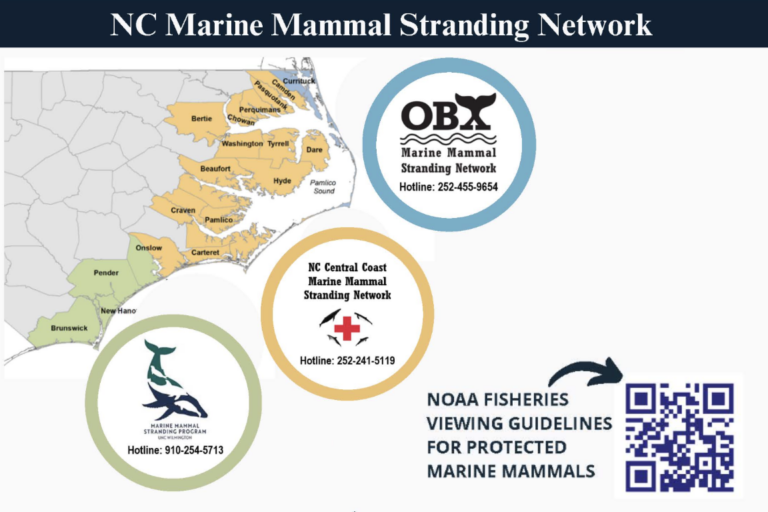
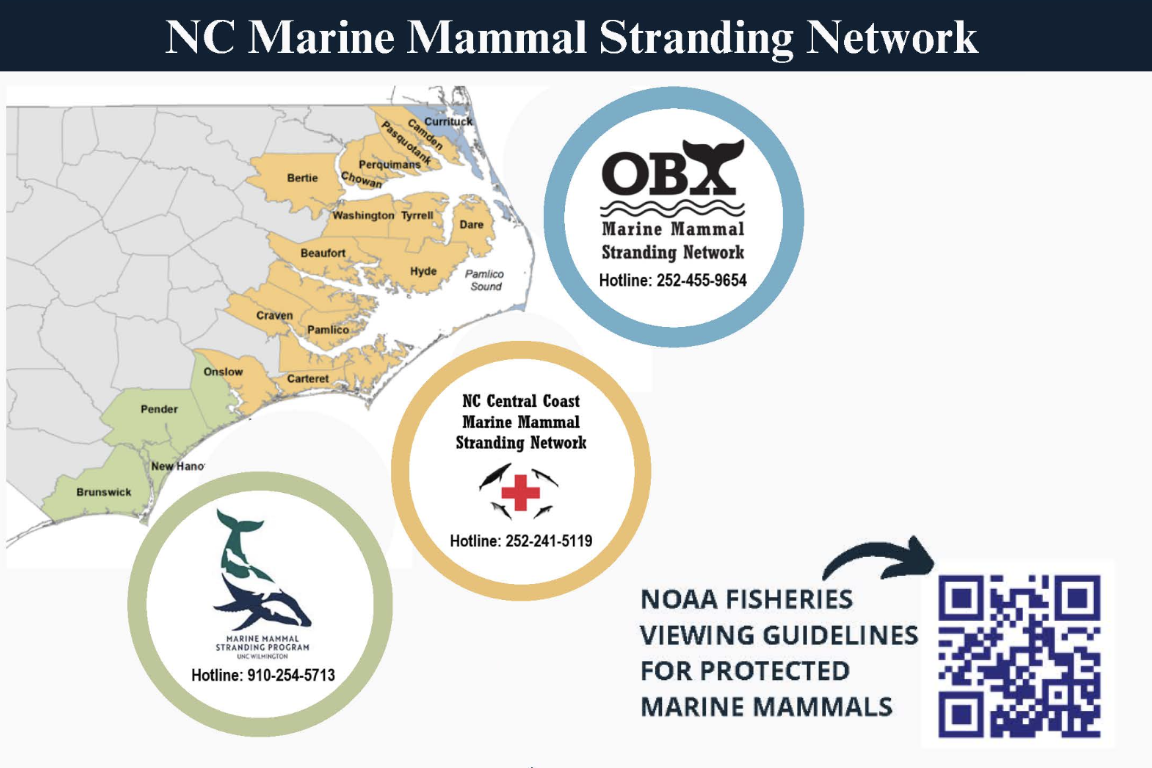
Many manatees display scars from propeller strikes, making them difficult to spot due to their lack of a dorsal fin. Citizens who observe a live manatee are encouraged to contact the relevant hotline for their region and fill out the manatee sighting form provided by the University of North Carolina Wilmington. The state has established a network divided into three coastal regions, each offering a 24/7 stranding hotline.
For those in the Outer Banks, the hotline number is 252-455-9654. Residents along the central coast can call 252-241-5119, while those in the southern part of North Carolina should reach out to 910-254-5713.
Source: N.C. Department of Natural and Cultural Resources