NASA Tests Heat Shields with Unique Experiment
NASA is exploring innovative heat shield technologies that will ensure astronaut safety during their return from lunar and Martian missions. This initiative utilizes a novel approach by incorporating experimental capsules into a cargo spacecraft filled with waste materials.
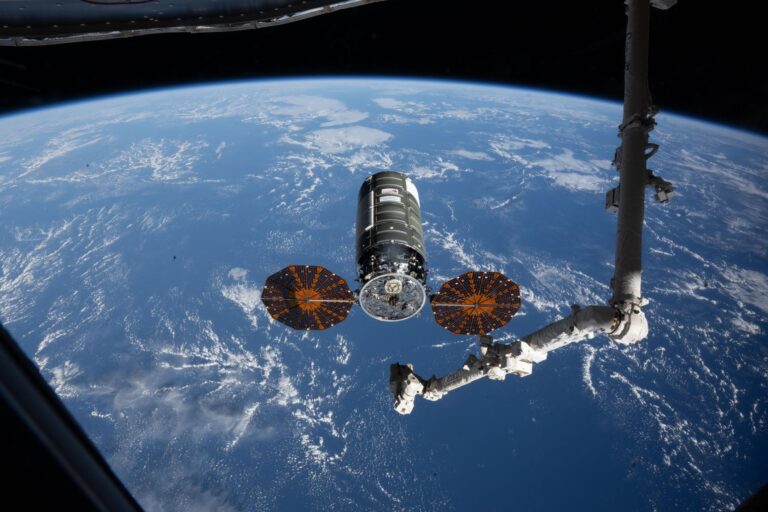
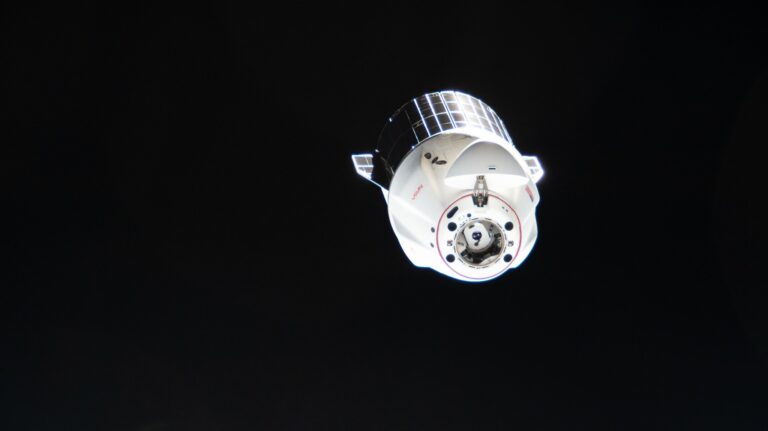
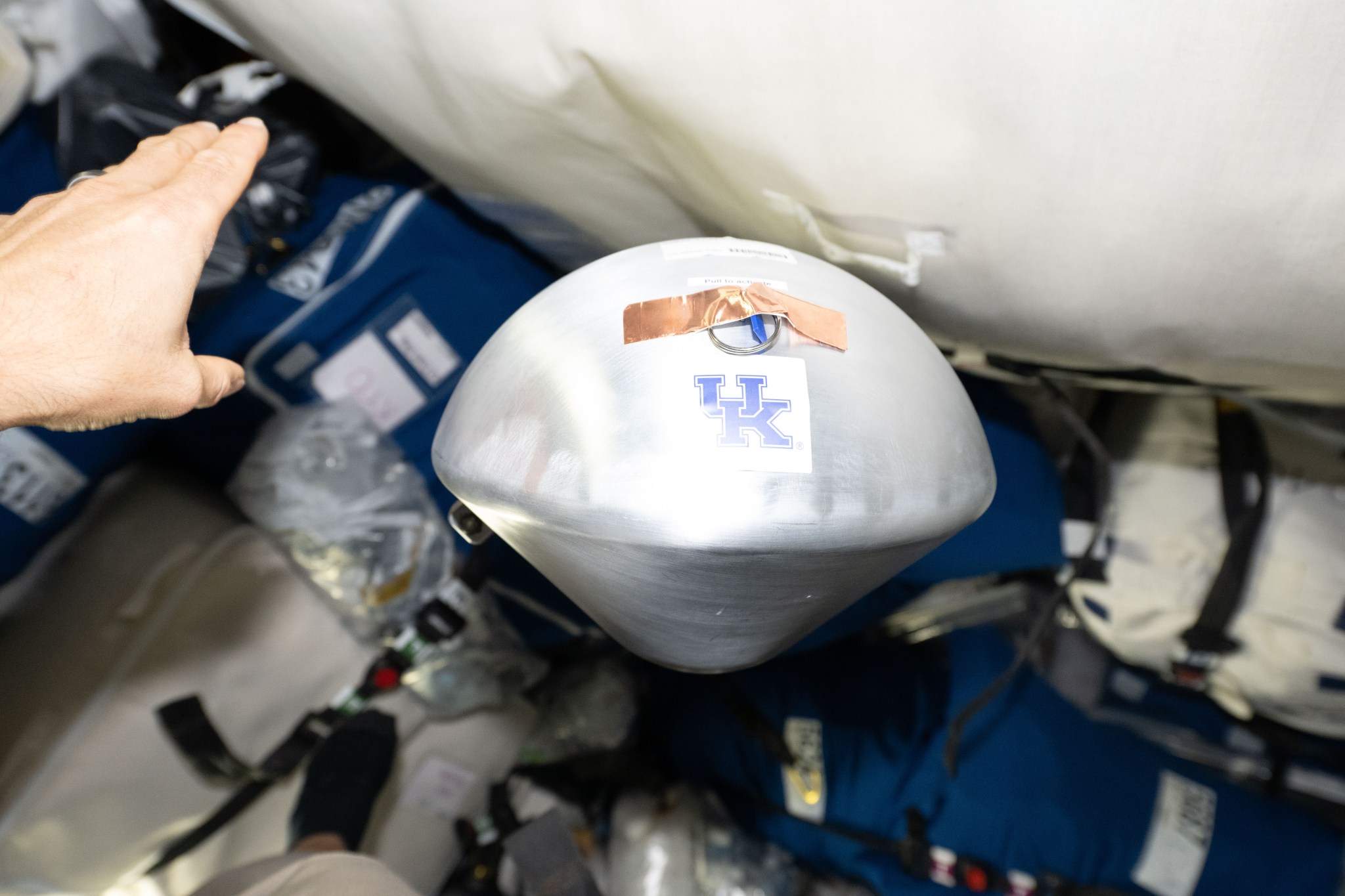
The Northrop Grumman Cygnus XL 24 cargo spacecraft, which recently undocked from the International Space Station, is carrying a set of 12 small experimental capsules. These capsules are part of the Kentucky Reentry Probe Experiment (KREPE-3), aimed at evaluating next-generation thermal protection materials that could be integral for future space missions.
This initiative is a collaborative effort involving the University of Kentucky, the state government, the NASA Established Program to Stimulate Competitive Research (EPSCoR), and various federal and commercial partners. “KREPE-3 is a great example of the goals of NASA’s EPSCoR program,” noted David Berger, EPSCoR program manager at NASA Headquarters in Washington.
Capsules Designed for Data Collection
Within the Cygnus spacecraft, astronauts set up the capsules before the mission’s departure. Designed by students at the University of Kentucky, these capsules are equipped with sensors that will monitor various factors such as temperature, pressure, acceleration, magnetic fields, and light levels during the re-entry phase.
As the spacecraft encounters the Earth’s atmosphere and disintegrates, the capsules will detach and begin collecting data regarding the performance of their respective heat shield materials. Live satellite signals will provide researchers with immediate insights into how these materials might protect future cargo or crew.
Keith Peterson, a materials engineer at NASA’s Ames Research Center, emphasized the efficiency of this method, stating, “It’s a smart way to get flight data on materials that are still in development.”
Innovative Materials and Designs
The KREPE-3 capsules will incorporate a range of thermal protection materials, including established technologies such as the ceramic tiles used on the space shuttle, as well as novel options like a 3D-printed heat shield developed through the Additive Manufacturing of Thermal Protective Systems project.
NASA Ames is contributing additional materials for this experiment, including capsules that will test a new family of protective coverings known as Materials Engineered for Re-entry using Innovative Needling Operations (MERINO). These materials, which are constructed from layers of carbon and phenolic fibers, offer advantages in flexibility, production speed, and cost-effectiveness compared to traditional heat shields, making them particularly suitable for Mars missions.
Another capsule will feature a unique dual-cone design that combines a tungsten tip with a cone layered in various protective materials, aimed at validating computer simulations with actual data.
Advancing Re-Entry Technologies
In addition to testing new materials, some capsules will evaluate innovative shapes and designs that could enhance the understanding of computer modeling and sensor technology, paving the way for advancements in re-entry systems. One capsule is designed to simulate the protective aeroshell for NASA’s future Dragonfly mission to Titan, Saturn’s moon, while another will assess a deployable heat shield concept designed to increase surface area for a slower descent.
Moreover, international partners are contributing capsules that will explore both established and new materials, including a heat flux sensor from the University of Stuttgart, which will assist researchers in measuring heat transfer during re-entry.
As Peterson stated, “We’re pushing the boundaries of what heat shields can do,” highlighting the mission’s aim to rapidly and efficiently test these critical technologies.
Source: NASA