NASA’s Katie Spicer Plays Key Role in Artemis Program
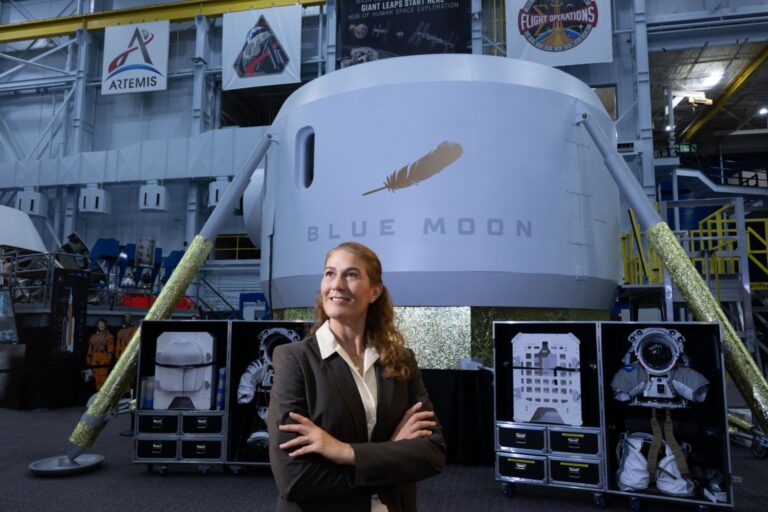
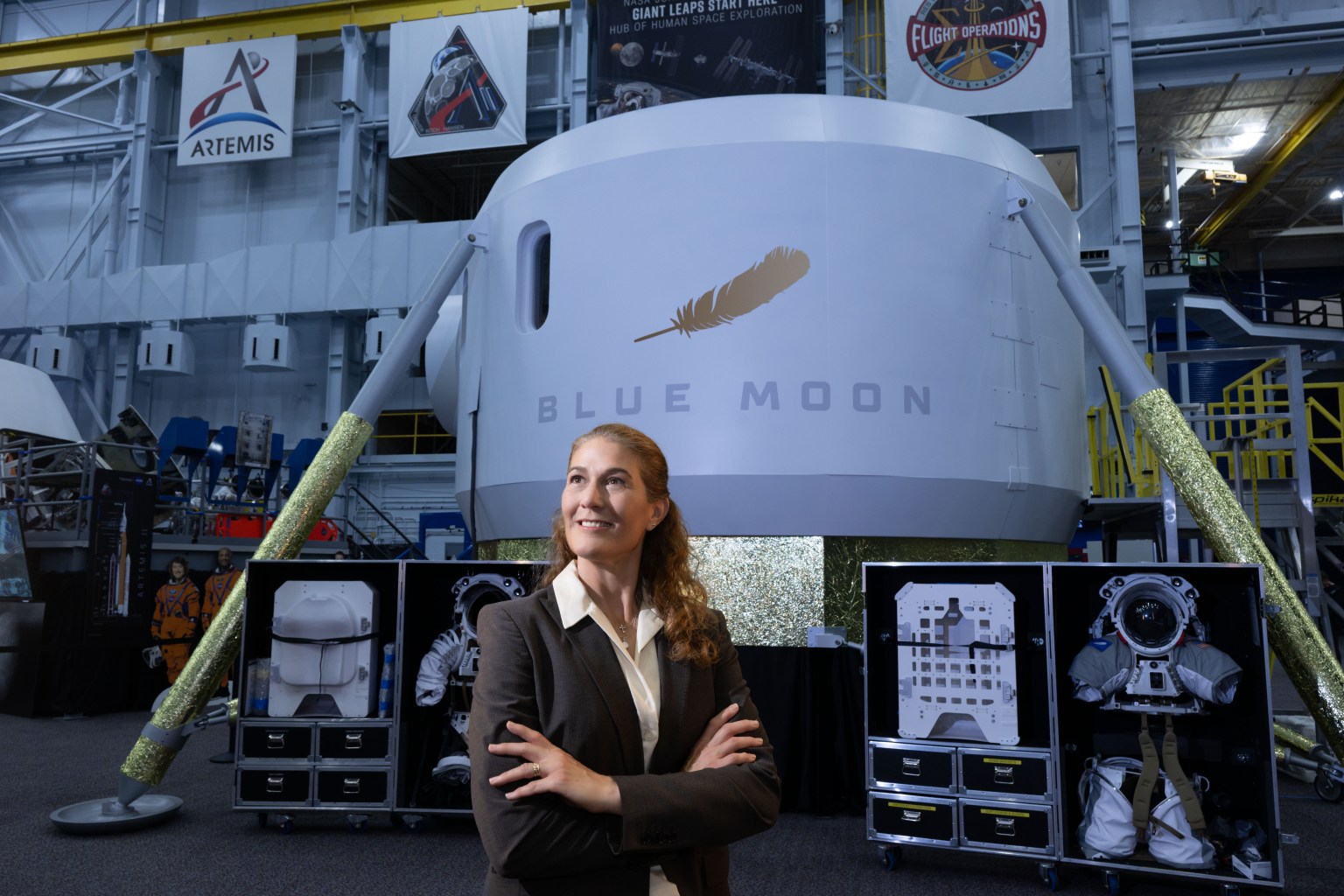
Katie Spicer’s journey at NASA is marked by her ability to embrace challenges and seize opportunities, propelling her into a significant role within the agency. Currently, she serves as the lander integration lead for Blue Origin’s Blue Moon Mark 2, which is among the commercial human landing systems designed for NASA’s Artemis program. Her contributions are set to leave a lasting impact on space exploration history.
Spicer is based at NASA’s Johnson Space Center in Houston, where she is responsible for overseeing the design and development of the Blue Moon lander. The lander’s design is evolving rapidly as Blue Origin works on a prototype for Artemis III, which will involve a rendezvous and docking mission in low Earth orbit, and a fully operational version for a crewed lunar landing planned for 2028.
In her role, Spicer collaborates with both NASA and Blue Origin teams to ensure that the Blue Moon lander meets the overall objectives of the Artemis missions. She focuses on various operational aspects, including the usability of systems that astronauts will interact with. “I look at the design of everything Artemis crews will touch, work with, or interface with to ensure systems will function the way crews will need them to,” Spicer noted.
From Homemaker to Aerospace Leader
Spicer’s career trajectory is notable, beginning with a bachelor’s degree in microbiology from the Pennsylvania State University. After spending several years as a homemaker raising her three children, she began her career at NASA in a part-time role at the Life Sciences Laboratory. Her responsibilities included basic tasks such as washing dishes and cleaning lab equipment, which eventually connected her to NASA’s historic past.
Her involvement grew as she transitioned to working with science payloads on the International Space Station (ISS), where she helped manage the Human Research Facility. This role ignited her passion for the dynamic environment of real-time space operations.
In 2018, Spicer took on the challenging position of flight controller at NASA Johnson’s Mission Control Center. She dedicated five years to rigorous study and training to obtain her certifications, gaining expertise in engineering principles along the way, despite lacking a formal engineering degree.
Looking Toward Future Missions
As she gazes at the Moon, Spicer expresses a sense of honor and humility about her role in returning astronauts to the lunar surface. She acknowledges the significant responsibility that NASA carries in this mission, while also honoring the legacy of the Apollo crews who paved the way for future explorers.
Under the Artemis program, NASA plans to send astronauts on increasingly complex missions to the lunar South Pole, aiming to explore more of the Moon than ever before. Beyond the immediate objectives, NASA’s efforts will contribute to establishing a sustained human presence on the Moon and lay the groundwork for the first crewed mission to Mars.
Source: NASA