Transition to New Health Record System at Dayton VA
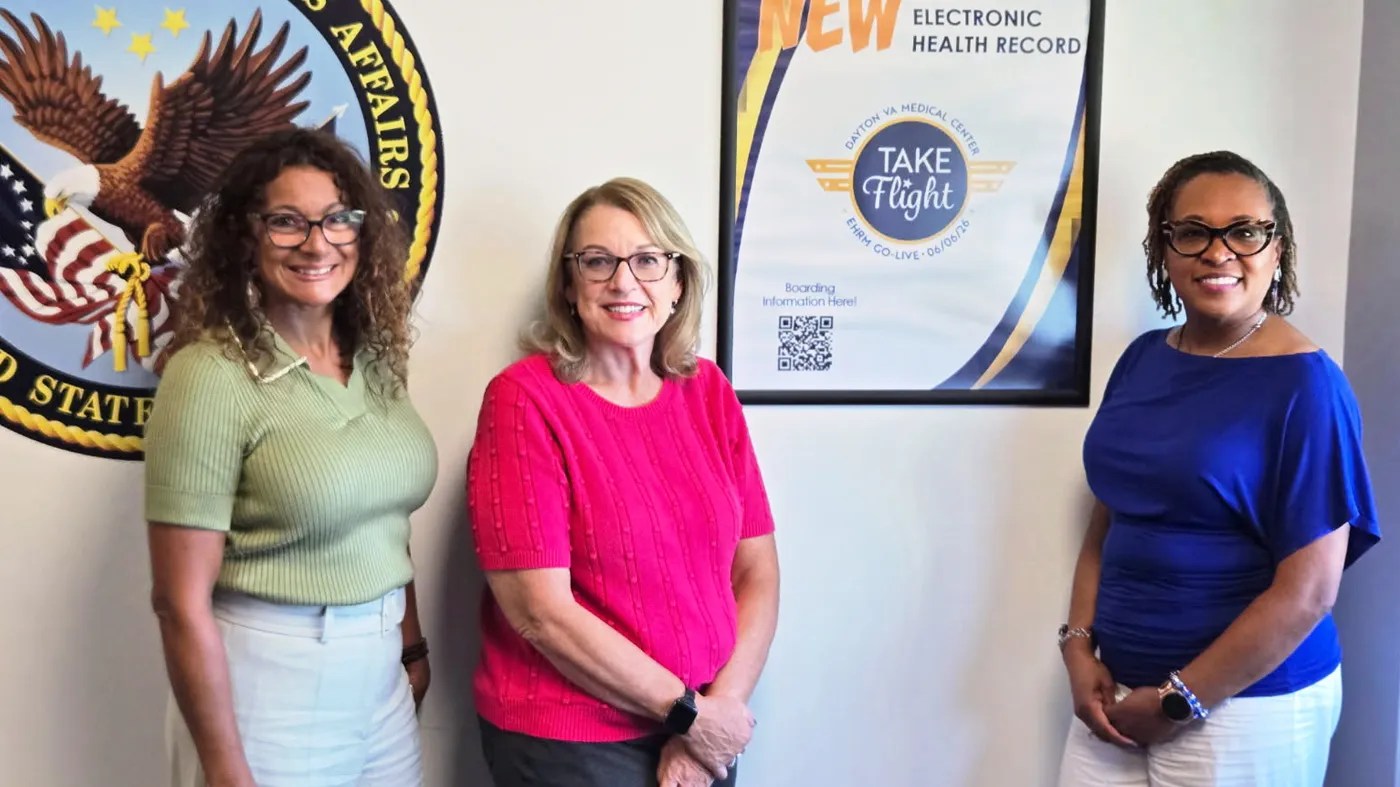
The Dayton VA Medical Center (VAMC) is undergoing a significant transformation with the implementation of the Federal Electronic Health Record (EHR) system, marking a pivotal shift in how Veteran care is delivered. This change is driven by dedicated professionals, including Marna McCrary, Tronica Wheeler, and Linda Borns, who collectively bring 94 years of experience to their roles at the VAMC. Their commitment to enhancing healthcare for Veterans is evident in their engagement with the new system.
As the Department of Veterans Affairs (VA) accelerates the rollout of the Federal EHR, the goal is to establish a modern and interoperable medical record system that consolidates health information across various platforms, including the Department of Defense and community partners. This transition aims to replace outdated systems that operated independently at different facilities, creating a unified approach that improves data sharing and streamlines workflows to enhance safety and continuity of care.
Reflections on Early Record-Keeping
The three nurses recall their early experiences with the Computerized Patient Record System (CPRS), which was a significant leap from traditional paper charts. Wheeler reminisced about the challenges of managing paper records, including long lines for access to physical charts and the chaos of disorganized documentation. “Just the mere charting in a computer after years of handwriting—that was huge,” she reflected, noting the relief that electronic charting brought to their workflow.
Borns also recalled the difficulties of paper documentation, emphasizing the frustration of deciphering handwritten notes and the messiness that could ensue if a chart was dropped. The trio fondly remembers the quirks of the old system, such as color-coded folders and the competition to retrieve charts, underscoring their eagerness for a more efficient electronic system.
McCrary’s initial experience with technology was in a computer lab where she learned the ropes of the CPRS. Her enthusiasm for exploring the new system was palpable as she described her early days of navigating the software, eager to embrace the changes that lay ahead.
Embracing Complexity and Future Benefits
While the transition to the Federal EHR presents new challenges, the trio acknowledges the extensive benefits it will bring. Wheeler pointed out that the shift from facility-specific to national standardization will enhance consistency in workflows across the board. Although the transition is structured and may be complex, it is deemed essential for the future of Veteran care.
McCrary noted that many providers find the new system allows them to document notes more efficiently, ultimately enabling them to dedicate more time to Veterans. Wheeler emphasized improvements in areas like medication reconciliation and immunization records, highlighting how the system’s ability to integrate information from various facilities will enhance patient safety and streamline care.
Advice and Optimism for the Future
When asked about advice for other VA locations preparing for similar transitions, the leaders emphasized proactive communication and collaboration. McCrary suggested reaching out to counterparts in other facilities to share insights on workflows, recognizing that terminology can sometimes be confusing.
Wheeler highlighted the importance of understanding the rationale behind process changes, emphasizing that while change can be challenging, it ultimately benefits Veterans. “Change is hard,” she stated, advocating for patience and trust in the process.
Borns concluded with a focus on the dedication of the front-line staff, expressing pride in their teamwork and commitment to supporting one another. She underscored the ultimate goal of ensuring Veterans receive safe and high-quality care.
The leaders remain optimistic about the transition, buoyed by their extensive experience and the VA’s mission. McCrary expressed a readiness to tackle any challenges that arise, stating, “At the end of the day, we’re here for the mission of taking care of Veterans.” As they look to the future, their commitment to continuous improvement in Veteran care remains strong.
Source: U.S. Department of Veterans Affairs