Zoo Announces Naming Contest for Rare Piglets
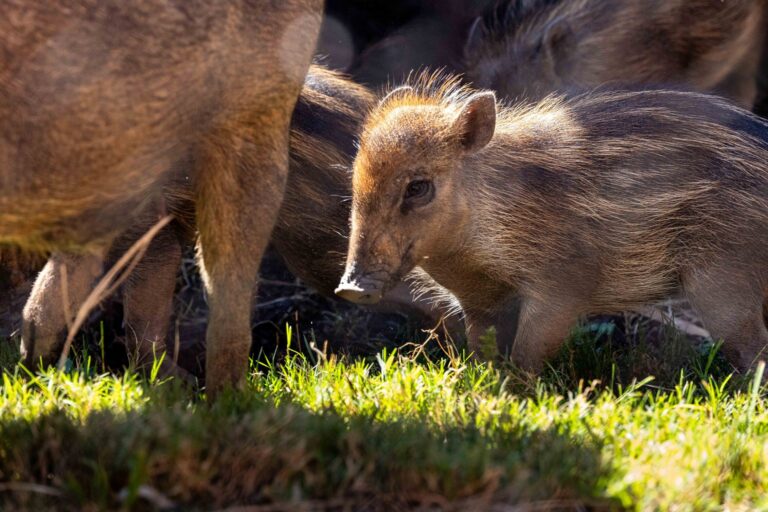
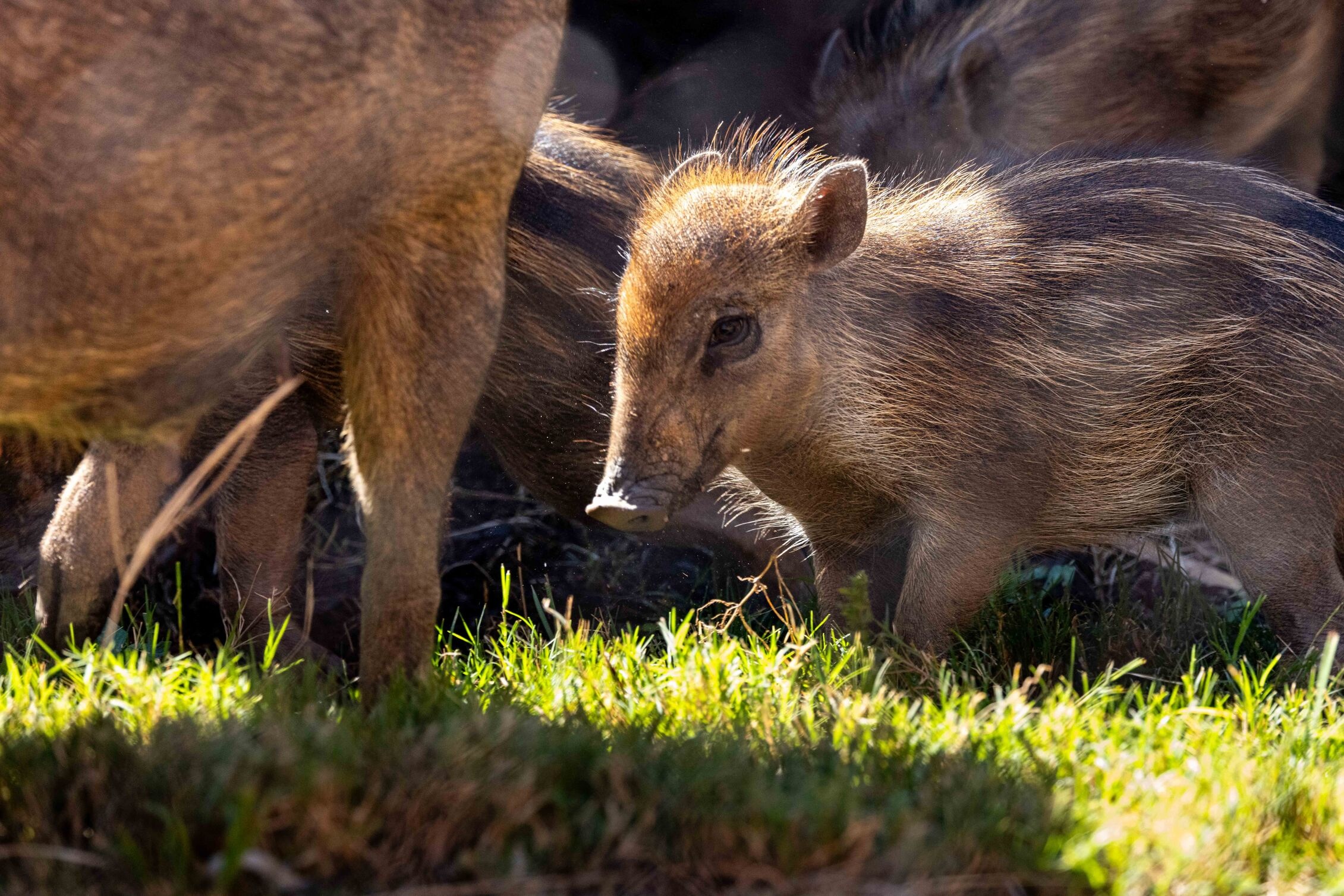
ASHEBORO – The North Carolina Zoo has revealed that six critically endangered Visayan warty piglets were born earlier this month within its new Asia region, which is scheduled to open on March 1, 2027. The Zoo is now inviting the public to help name one of the two litters.
Visayan warty pigs rank among the rarest pig species globally, with approximately 30 individuals residing in U.S. zoos. These animals are native to only two islands in the Philippines: Negros and Panay. The Zoo’s four-piglet litter marks a significant milestone, being the largest recorded birth for this species, with 8-year-old Buddy as the mother and 7-year-old Makaio as the father. This litter represents the first born in the U.S. since 2022. Additionally, Makaio has sired two more piglets with another mother, Shy.
Public Participation Invited
Zoo Director and CEO Dr. Mark Penning stated, “We have a total of six piglets in need of names. Two piglets will be named by Zoo staff, and the remaining four will be named by our loyal Guests and online followers. This incredible conservation success story belongs to all of us, so we are inviting each of you to get involved with the selection of the winning names.”
The naming poll for the four piglets opened on Friday, October 23, and will remain available until 5 p.m. on Friday, October 30. Participants can vote for one male and three female piglets at a designated online survey. The chosen names will be disclosed on Monday, November 2.
Significance of the Piglets
Deputy Director Diane Villa emphasized the importance of the piglets, noting, “These warty piglets are symbolic of a much larger wildlife conservation effort, representing dozens of critically endangered species we are actively working to save in the wild.” She also mentioned that visits to the Zoo support local and global wildlife conservation initiatives led by the staff.
While the piglets are currently thriving in the Zoo’s Asia region, they are not yet visible to the public.
Source: N.C. Department of Natural and Cultural Resources