Simulation of Medical Response for Wounded Service Members
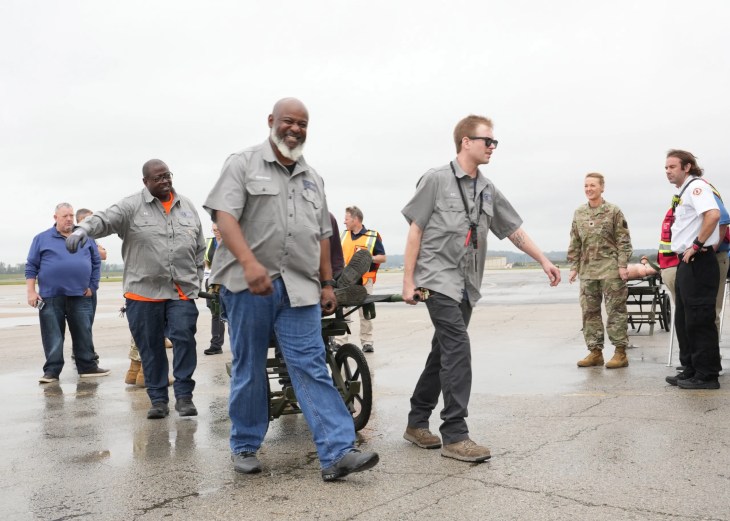
On October 15, 2026, the VA Kansas City Healthcare System collaborated with military, federal, and community organizations at Charles B. Wheeler Downtown Airport to conduct a critical training exercise focused on managing the care of wounded service members during times of increased military demand. This event was part of a larger initiative led by the Veterans Health Administration Office of Emergency Management, which aimed to test the coordination of patient reception and care during a simulated military emergency.
The exercise involved a multi-day, hybrid full-scale training, emphasizing command coordination, patient assessment, staging, and tracking, all within the context of large-scale combat operations (LSCO). The medical expertise from the VA complemented the efforts of the War Department, Health and Human Services, emergency responders, and local hospitals, all of whom participated in this vital preparedness drill.
Addressing Medical Readiness Challenges
The training event highlighted ongoing preparedness challenges articulated by Army officials, particularly the need to be ready for extensive conflict while still addressing domestic requirements. At the annual meeting of the Association of the U.S. Army, Maj. Gen. Bray Hopkins discussed the necessity of a comprehensive national response during large-scale mobilization. Lt. Gen. Jonathan Stubbs further pointed out that natural disasters would persist even amid major military engagements.
In Kansas City, the emphasis was placed on medical readiness, specifically how the VA, Department of Defense, and community partners could effectively coordinate care for military patients in a contingency scenario. Zack Bradley, the exercise director and VA area emergency manager, stated, “Medical readiness is a team effort,” underscoring the collaborative nature of the training and its significance for enhancing patient care.
Implementing the Fourth Mission
The exercise was a practical application of the VA’s Fourth Mission, which focuses on reinforcing readiness for wartime situations, terrorism, national emergencies, and natural disasters, while continuing to serve Veterans. As the primary medical backup to the military in times of crisis, the VA’s role was crucial during the exercise, which simulated a situation where military medical resources were overwhelmed.
Participants worked on organizing patient reception logistics, coordinating with local hospitals, and ensuring that necessary information for ongoing treatment was effectively managed. Ryan Locascio, the KCVA assistant director and incident commander, emphasized the importance of preparation, stating, “Our commitment to Veterans and our responsibility to support the nation both depend on preparation.”
Enhancing Collaboration in Medical Care
The exercise also aimed to strengthen the partnership between the VA and the Department of Defense by focusing on the logistical aspects of patient movement and medical support. Teams responsible for patient reception practiced assessment, staging, transportation coordination, and tracking, ensuring smooth transitions from airport operations to hospitals where further care would be provided.
A key goal was the integration of personnel from the Department of Health and Human Services and the National Disaster Medical System, along with the Joint Patient Assessment Tracking System, into local tracking processes. This system plays a vital role in documenting patient status, transportation needs, and overall disposition. Locascio remarked, “Every assessment and tracking entry represents a person who needs care,” stressing the importance of accountability and communication in the continuum of care.
Building a Regional Emergency Response Network
KCVA’s leadership in this exercise involved collaboration with various local entities, including Health and Human Services, the Department of Defense, as well as emergency services from Kansas City and Raytown, along with Johnson County MED-ACT and the Mid-America Regional Council. Participating hospitals included AdventHealth Kansas City, BJC Health–Saint Luke’s, Children’s Mercy, North Kansas City Hospital, Prime Healthcare facilities, University Health, and the University of Kansas Health System.
Bradley concluded, “Preparedness grows when we train together and act on what we learn,” highlighting the importance of the relationships fostered during the exercise and their role in ensuring that VA Kansas City and its partners are ready to respond effectively to national needs.
Source: U.S. Department of Veterans Affairs