Veteran’s Health Journey
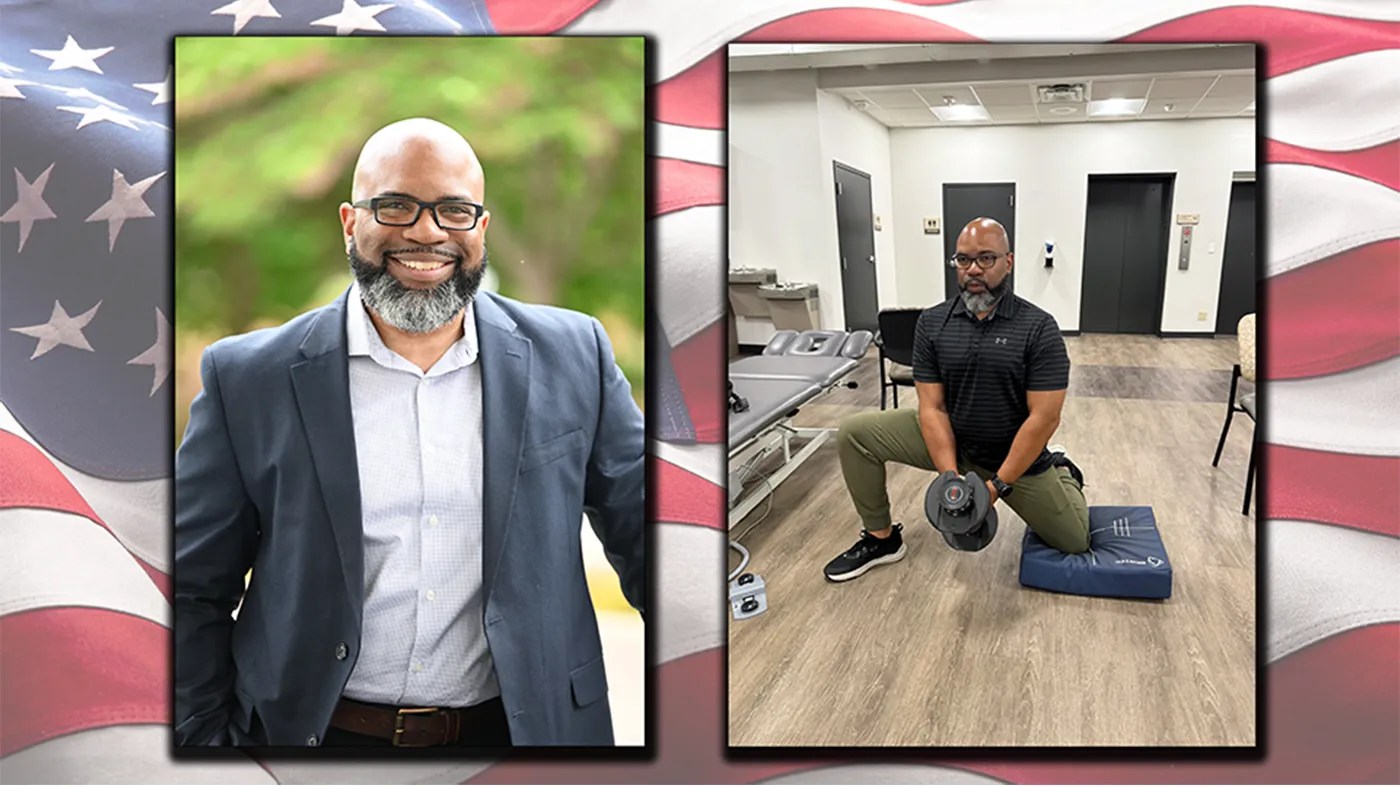
Army Veteran Jarrad Turner Sr. embodies various roles, including father, advocate, and business leader. Recently, he added a new title to his identity: patient.
Injuries from Service
Turner, who served in combat, sustained several injuries during his second deployment, including a traumatic brain injury linked to his military service. A routine examination at the Joseph Maxwell Cleland Atlanta VA Medical Center in November 2025 unexpectedly revealed a brain aneurysm.
Turner noted, “Because of Atlanta VA’s Community Care program, my VA providers referred me to Emory Hospital for advanced imaging and neurosurgical consultation.” Collaborating with specialists at Emory and his VA team, he opted for aneurysm clipping to safeguard his health and avert a potentially life-threatening event.
Unexpected Complications
The aneurysm clipping surgery took place on March 24, 2026. However, during his recovery, both his family and medical staff observed subtle changes in his neurological condition. He ultimately experienced loss of vision in his right eye and significant memory loss spanning two months, along with a diminished sense of taste and smell.
Turner explained, “Although I appeared to be the same externally, I was experiencing a decline in neurological function.” On March 26, he was diagnosed with an ischemic stroke, which impacted areas of his brain responsible for executive functions such as planning and organization. These skills are critical in his professional life, where he has spent years leading teams.
Basic activities, like cooking or managing finances, became challenging and required assistance.
Path to Recovery
Turner emphasized the importance of coordinated care, stating, “The coordinated care between Atlanta VA, Emory, and the Shepherd Center gave me the tools, strategies, and support to keep rebuilding, one step and one task at a time.” He praised the collaboration among the institutions, which he described as a unified team rather than separate entities.
Despite the difficulties he faced, Turner views his recovery as a significant accomplishment, one that he believes all Veterans should strive for.
He remarked, “When Community Care and strong community partnerships are in place, Veterans are not left to navigate a medical crisis alone.” Turner credits his survival and ability to continue being a supportive father and advocate to the seamless cooperation of his medical teams.
His key takeaway from this experience is clear: “VA does work.”
Source: U.S. Department of Veterans Affairs