UNC Charlotte Botanical Gardens Celebrates 60 Years
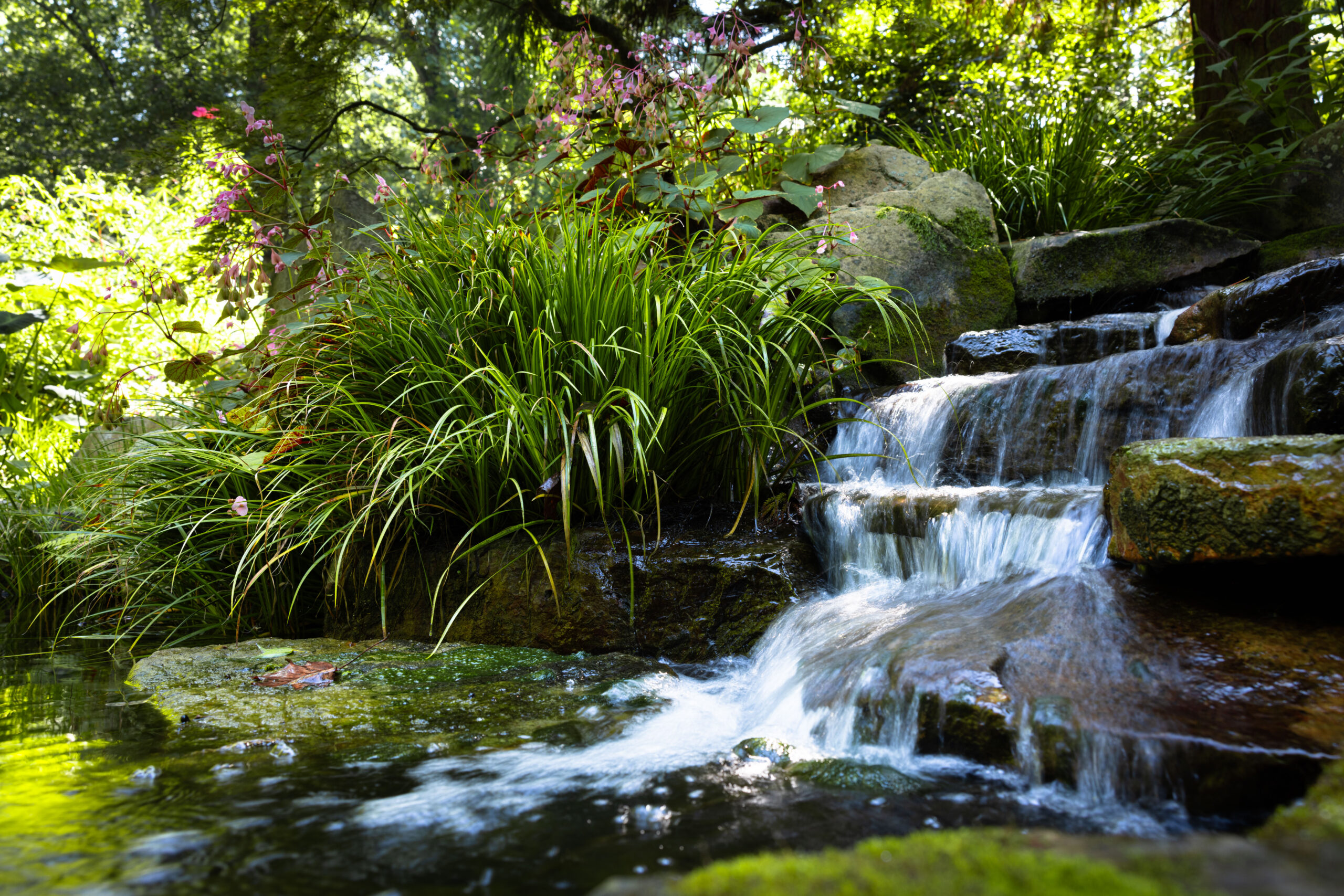
The UNC Charlotte Botanical Gardens, a significant part of the campus community, is marking six decades of growth, research, and preservation. Nestled within a dense forest canopy on the university’s urban research campus, these 10 acres, while somewhat concealed, have become a well-known destination for horticulturists, botanists, and nature enthusiasts across North Carolina.
Renowned for its collection of rare plants, the gardens serve as a living laboratory for researchers and a serene escape for students, faculty, and local residents alike. As the only botanical gardens in the Charlotte area, it has developed into a vital resource that enhances the educational environment of UNC Charlotte, contributing to both academic research and community engagement.
Historical Foundations
The origins of the Botanical Gardens can be traced back to 1963 when the first botanical specimen was planted during the Arboretum Dedication. Founding figures of the university, including Herbert Hechenbleikner and Ralph Van Landingham, played instrumental roles in establishing a vision for the gardens, which officially began in 1964. Hechenbleikner and Van Landingham’s shared passion for horticulture led to the initial planting of 120 hybrid rhododendrons, alongside azaleas and various companion plants.
In 1967, Larry Mellichamp, who later became the Director of the Botanical Gardens, enrolled in Hechenbleikner’s plant biology class. His early experiences collecting native plants across North Carolina laid the groundwork for future expansions of the gardens, including the establishment of the Asian Garden in 1980, inspired by Hechenbleikner’s travels to China.
Timeline of Development
Throughout its history, the Botanical Gardens has experienced significant growth and development. In the early 1970s, an endowment from Van Landingham facilitated the expansion of the Glen and Susie Harwood Gardens. Subsequent years saw the addition of the McMillan Greenhouse, a rainforest conservatory, and various educational initiatives that transformed the gardens into a community hub.
Major milestones include the first public open house in 1984 and the introduction of unique features such as the butterfly garden and cactus room. The blooming of the Titan Arum, affectionately named “Bella,” in 2007, brought thousands of visitors to witness this rare event, underscoring the gardens’ role as a center for both scientific inquiry and public fascination.
Research and Education
The Botanical Gardens serve as a living laboratory for students and faculty, particularly in the fields of microbiology, botany, and ecology. Courses offered at UNC Charlotte make use of the gardens to provide hands-on learning experiences that complement traditional classroom instruction. The diverse habitats within the gardens allow for the study of various ecological systems, making it an invaluable educational resource.
Research initiatives have thrived, with projects focusing on fungi, insects, and plant diversity. Notably, the blooming of the Titan Arum has provided unique opportunities for chemistry students to analyze its distinct aromas and pollen properties, further enhancing the gardens’ reputation as a place of scientific exploration.
Community Engagement
Open to the public at no cost, the UNC Charlotte Botanical Gardens attract tens of thousands of visitors annually. The gardens host numerous events, including weddings and educational tours, and conduct plant sales that benefit both the university community and the general public. Through workshops and outreach programs, the gardens maintain a strong connection with the wider community, fostering appreciation for nature and plant science.
As it celebrates its 60th anniversary, the UNC Charlotte Botanical Gardens continues to play a crucial role in the intersection of beauty, research, and education. Plans for a new greenhouse and visitor center aim to enhance its offerings, ensuring that this living classroom remains a source of inspiration and discovery for generations to come.
Source: UNC Charlotte