Internship Opportunity Enhances Legal Aspirations
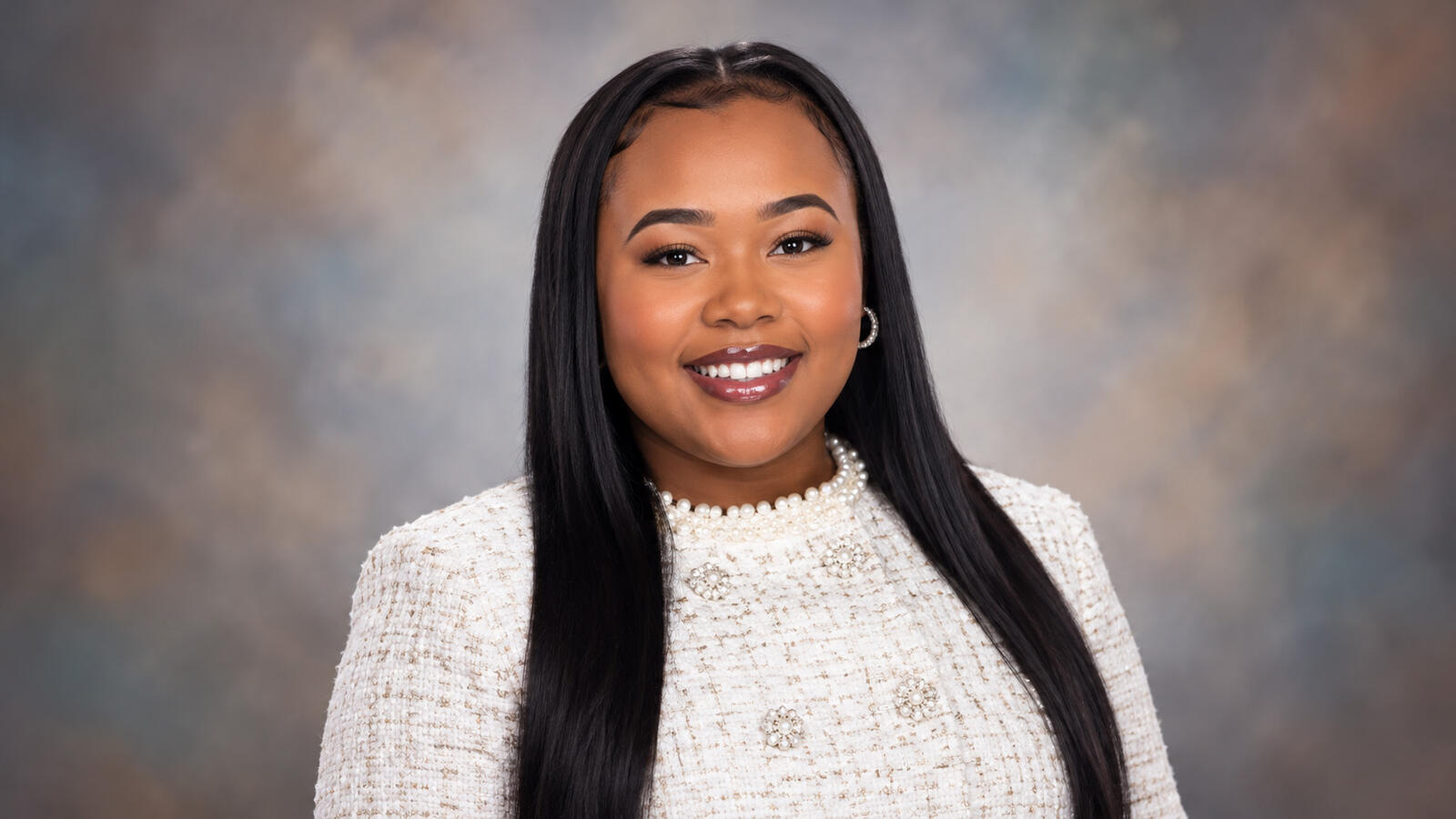
Joy Kibobi, a student at North Carolina Central University School of Law, has gained invaluable experience through an internship with prominent civil rights attorney Ben Crump. This opportunity not only provided practical legal exposure but also solidified her commitment to a career in civil rights law.
Crump is widely known for his representation of families in significant civil rights cases, such as those of George Floyd, Breonna Taylor, and Trayvon Martin. His work has positioned him at the center of national discussions surrounding civil rights, systemic injustice, and police accountability.
Pathway to Civil Rights Advocacy
Originally from Kenya and raised in Durham, North Carolina, Kibobi has been passionate about civil rights advocacy for a long time. She learned about the internship through Professor David Green, who recommended her for the role.
“When I heard that there was an exciting opportunity available, I was like, yes, I don’t care who it’s with. I just want an opportunity to learn,” Kibobi recounted.
Following a successful application and interview, Kibobi secured the internship, which spanned from June to August. Under the guidance of attorney Chance Lynch, a 2009 NCCU Law graduate, she gained practical experience. Although the internship was primarily remote, Kibobi had the chance to join Lynch in court hearings, press conferences, and other legal events throughout North Carolina.
Hands-On Legal Experience
Kibobi’s internship involved attending court proceedings in Mecklenburg and Halifax counties, as well as engaging in legal activities in Raleigh. She met Crump on her second day during a visit to Charlotte related to a police brutality case. Throughout her internship, Kibobi focused on tasks such as legal research, drafting documents, and interacting with clients, particularly in cases alleging police misconduct.
“As hard and as complex as they were, they were the most meaningful to me because I got to do a lot of client engagement,” she stated. Her responsibilities included evidence preservation, filing claims, preparing representation letters, and coordinating essential information to build cases.
Professional Growth and Future Aspirations
Kibobi emphasized the difference between theoretical learning in law school and the realities of legal practice. “In law school, we tend to kind of get the facts in a nice little bundle, but in actual practice, you have to be able to coordinate with a lot of people just to get those facts, even before applying the facts to the law,” she explained.
She credited Lynch with enhancing her understanding of strategic case assessment, client advocacy, and trial preparation. Most importantly, the internship reaffirmed her career goals. “It showed me that it’s not out of reach for me,” Kibobi remarked.
For other law students contemplating similar paths, Kibobi encourages them to pursue their interests, even amid self-doubt regarding their qualifications. “I would say to take a leap of faith and apply anyway,” she advised. “Even if you feel like you’re not qualified, or you don’t feel like you would fit in or belong.”
Source: North Carolina Central University