New Initiative Tackles Wildfire Threats in Eastern U.S.
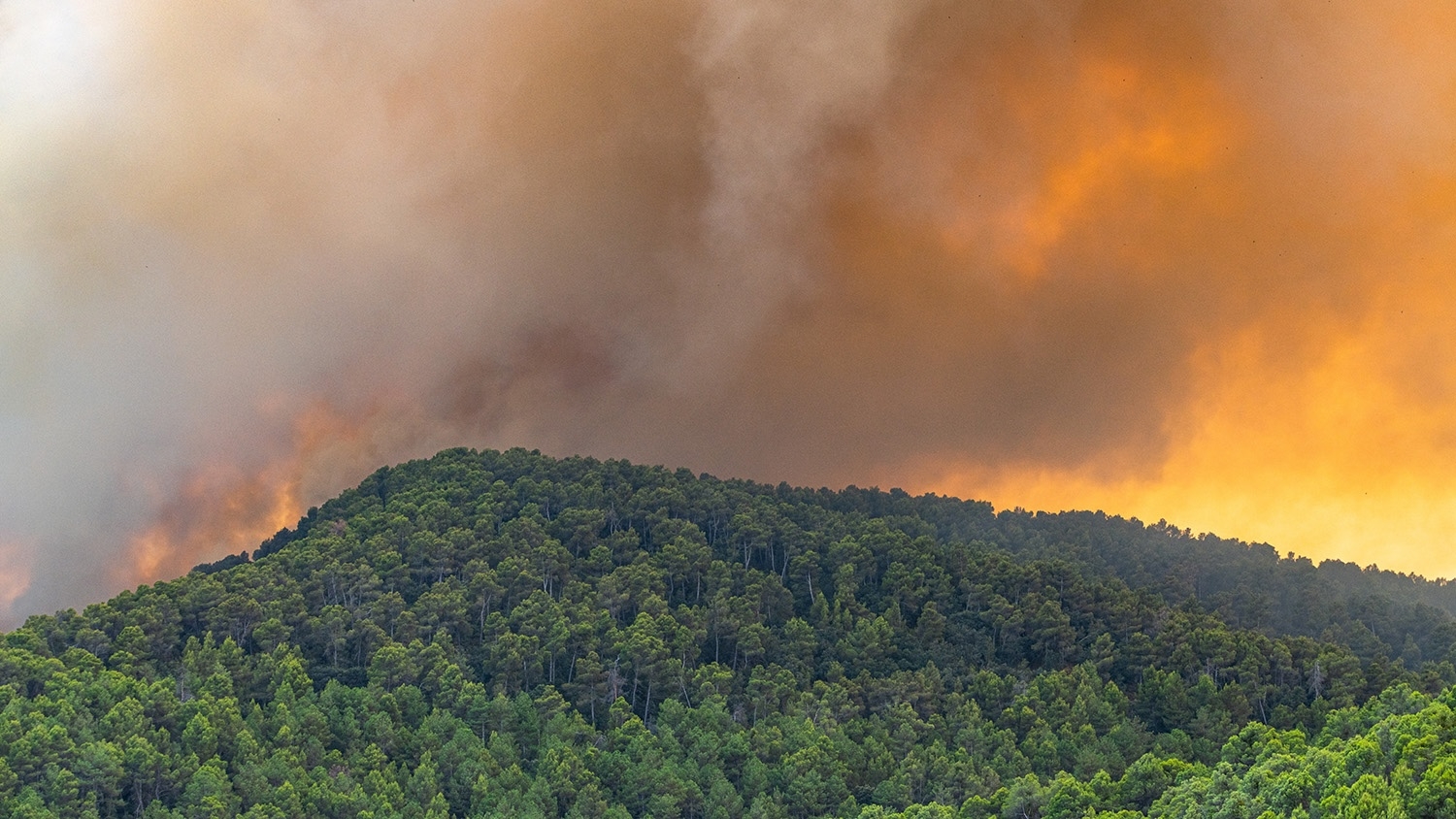
Wildfires are becoming more frequent and severe throughout the eastern part of the United States. In response to this escalating issue, a team led by Robert Scheller, a professor at North Carolina State University, has joined a federally-funded initiative known as the Eastern Fire Network (EFNet).
Launched in January 2026, EFNet brings together experts from six different institutions to create a unified research strategy aimed at understanding and managing wildfires in the eastern U.S. This initiative, spearheaded by Pennsylvania State University, has received a three-year grant totaling $1.74 million from the National Science Foundation.
Collaborative Research Efforts
According to Scheller, who serves as a co-principal investigator for EFNet, the complex nature of wildfire challenges necessitates contributions from multiple disciplines. “Wildfire is a complex problem that can’t be addressed by any one discipline,” he stated. The collaboration aims to foster a better understanding of wildfires and develop actionable solutions.
Scheller is joined by fellow co-principal investigators Jelena Vukomanovic and Branda Nowell, who specialize in parks, recreation, tourism management, and public affairs, respectively. The NC State team brings a wealth of knowledge in fire ecology and wildfire management, utilizing advanced simulation technologies to assess the effects of climate change, fire management policies, and human development on wildfire risk.
Addressing Regional Needs
EFNet members engage in various meetings and workshops that facilitate collaboration among professionals from diverse fields, including ecology, climate science, and social policy. These sessions aim to pinpoint long-term research priorities for effective wildfire management and preparedness in the eastern U.S.
While wildfire studies have predominantly focused on the western U.S., where fires are larger and more frequent, initiatives like EFNet seek to fill the void in the eastern region, which has historically lacked formal collaborations among wildfire scientists and practitioners.
Unique Challenges in the East
As Scheller and his colleagues work on establishing a comprehensive research agenda, they are examining critical questions about the differences and similarities between wildfires in the eastern and western U.S. One notable challenge in the eastern U.S. is the considerable amount of land located in the wildland-urban interface (WUI), where developments are situated near unmanaged natural areas, which serve as significant fuel sources for fires. This proximity heightens the risk of catastrophic wildfires.
“Even though fires are never going to get as large or as hot in the East as they do in the West, the potential for loss of life and property is probably greater because so much more land is in the WUI,” said Scheller.
Engaging Stakeholders and Students
EFNet workshops are designed to include land managers and other professionals from the eastern U.S., allowing for discussions about the challenges they face and exploring ways to improve wildfire management. This approach ensures that the research agenda reflects the real-world needs of those involved in wildfire response.
“Scientists aren’t often thinking about management needs, but it’s important that we understand what managers are dealing with and what information they need,” Scheller added. This insight is essential for formulating relevant research questions that support decision-makers in the field.
In addition to the research agenda, the NC State team is also involved in coordinating EFNet’s graduate student training initiative. This program links graduate students with researchers and practitioners to collaboratively address wildfire issues. Students will spend about nine weeks during the summer at a host institution, participating in research, orientation, and workshops, with travel costs and stipends covered by EFNet.
This initiative represents a significant step toward enhancing wildfire preparedness and management in the eastern United States, promoting collaboration among experts and addressing the unique challenges posed by wildfires in the region.
Source: NC State University