A nurse at the Richard L. Roudebush VA Medical Center in Indianapolis recently illustrated the impact of modern technology on veteran healthcare during a bustling night shift. While overseeing the care of five veterans, she also handled a complex admission, administered chemotherapy, and completed her inaugural blood administration using the newly implemented Federal Electronic Health Record (EHR) system.
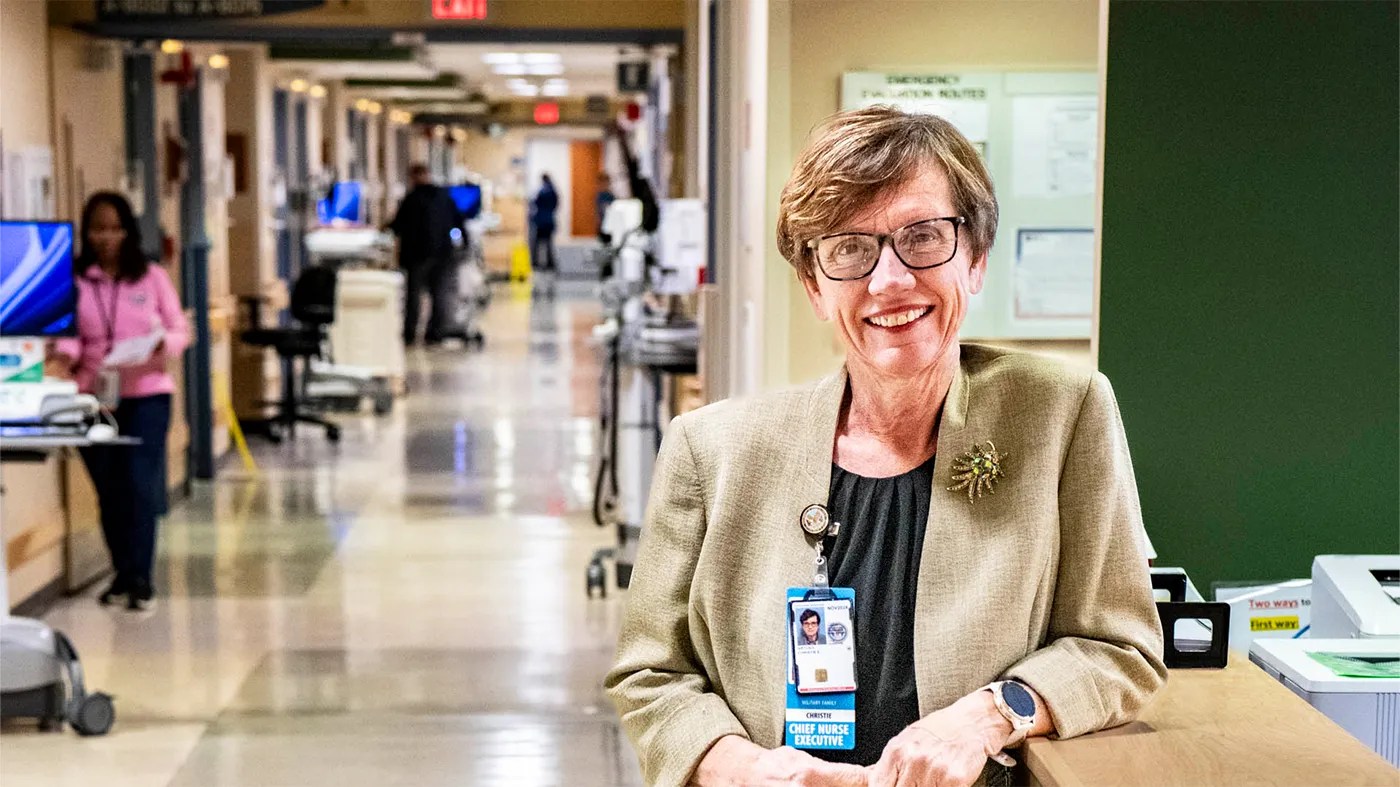
Christie E. Artuso, Ed.D., RN, FACHE, who serves as the chief nurse executive and associate director of patient care services, noted that the nurse’s ability to adapt to the system amidst her demanding responsibilities was a positive indication of the EHR’s integration into daily operations at the facility. More significantly, it exemplified how technological advancements can assist healthcare providers, allowing them to concentrate on their primary focus: the veterans in their care.
Enhancing Information Accessibility
For veterans receiving treatment through the VA, having timely access to relevant information is crucial. Whether dealing with chronic illnesses, undergoing specialized therapies, or managing intricate hospital stays, veterans depend on their healthcare teams to make informed health decisions.
The Federal EHR plays a pivotal role in this process by consolidating essential health data into a single system, enabling authorized healthcare team members to access a comprehensive view of a veteran’s health status.
“Veterans deserve a healthcare system that is as connected, modern and responsive as the care we would want for our own families,” Artuso remarked.
With the Federal EHR, healthcare professionals—including nurses, physicians, and pharmacists—can view documentation, medication records, lab results, and treatment plans as care unfolds. This shared access enhances communication among care teams, facilitating coordinated treatment and informed decision-making, particularly when a veteran’s health condition changes. Consequently, providers can dedicate more time to delivering personalized care rather than sifting through various systems for information.
Supporting Healthcare Teams
The care experience for veterans relies heavily on a collaborative team of healthcare professionals committed to providing safe, effective treatment. For nurses on night shifts, this often involves juggling numerous patient needs, managing medication administration, monitoring evolving conditions, and coordinating with other team members.
At the VA Medical Center in Indianapolis, Artuso observed how the Federal EHR began to play an essential role in these responsibilities. Just two weeks post-implementation, nurses were incorporating the system into their daily tasks, which allowed technology to enhance care rather than hinder it.
“With the Federal EHR supporting an uninterrupted rhythm, our VA staff is better positioned to fulfill our responsibility to provide Veterans with safe, high-quality, Veteran-centered care,” stated Lee Payne, MD, MBA, CPE, FACEP, the deputy under secretary for health and a retired Air Force major general.
Commitment to Modernized Care
The VA’s shift to the Federal EHR transcends mere technological installation; it aims to enhance collaborative efforts among healthcare professionals and ensure that veterans receive the coordinated, high-quality treatment they merit.
Artuso reflected on the significance of witnessing a nurse adeptly manage a demanding night shift while simultaneously caring for multiple veterans, underscoring the progress being made. As the VA continues its transition to the Federal EHR, such experiences underscore the potential of a unified health record in supporting care teams and allowing them to maintain their focus on their most vital mission: providing care for veterans.
Source: U.S. Department of Veterans Affairs