Study Reveals Mechanism Protecting Heart Valve Collagen
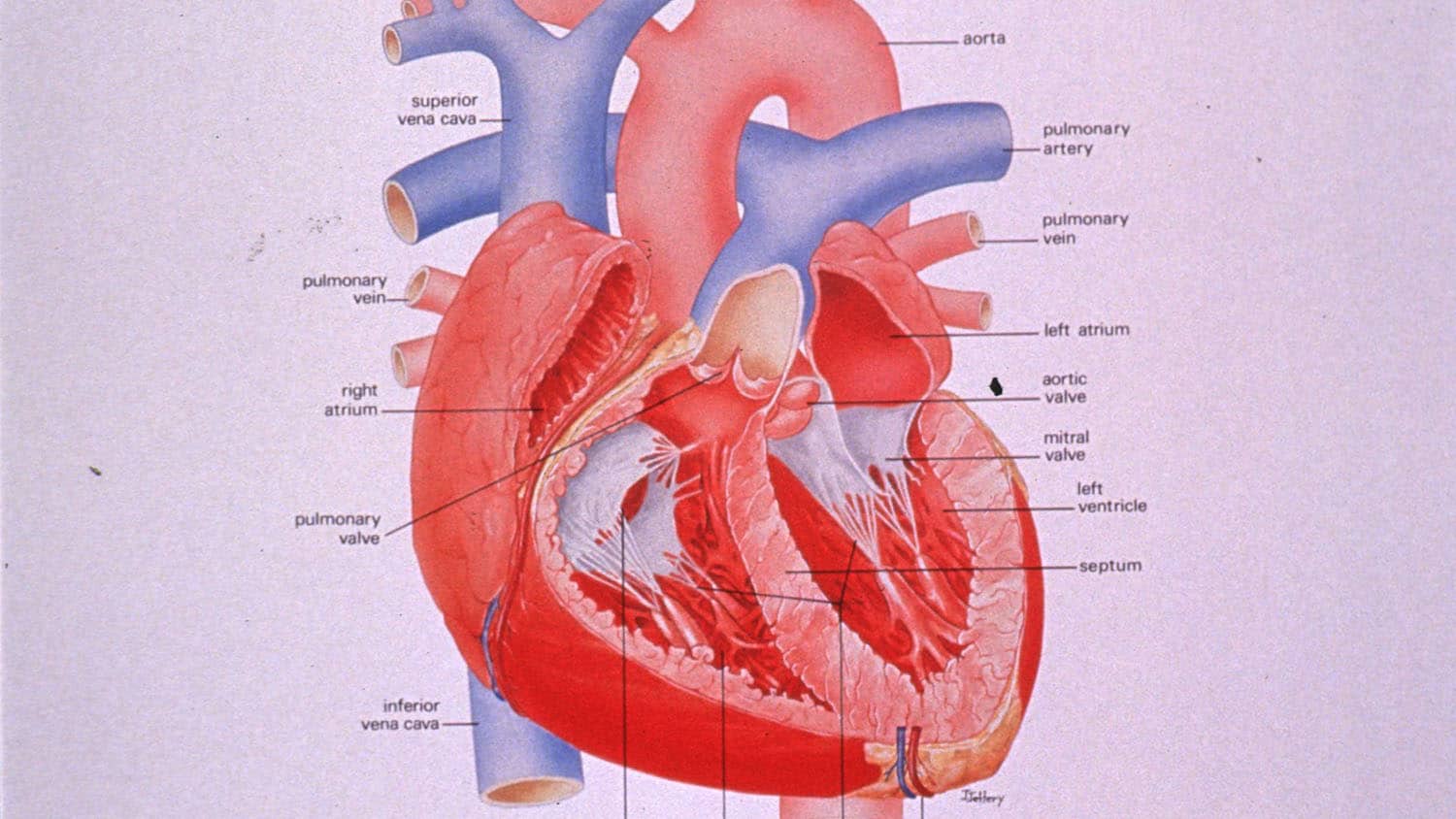
Research from North Carolina State University has uncovered a significant mechanism that helps maintain the integrity of collagen in heart valves, which are essential for proper heart function. While collagen provides strength to heart valves, enzymes present in the surrounding fluid are known to break it down. The study indicates that the biomechanical tension exerted on heart valves during each heartbeat plays a crucial role in safeguarding collagen from degradation.
Biomechanical Insights from Heart Valve Function
Hsiao-Ying Shadow Huang, an associate professor of mechanical and aerospace engineering at NC State and lead author of the study, emphasized the importance of collagen in the durability of heart valve leaflets, which are responsible for regulating blood flow. “We also know that when people develop heart disease, the structural integrity of those leaflets can degrade very quickly,” Huang stated, highlighting the study’s goal to understand the relationship between biomechanics and heart valve health.
The researchers conducted a series of experiments utilizing pig hearts to examine the effects of various strains on heart valve leaflets. They manipulated the direction of tissue pulling and adjusted the levels of collagenases in the fluid surrounding the heart to assess the impact on the leaflets’ microstructure.
Key Findings on Strain and Collagen Stability
The study found that under normal physiological conditions, when the aortic valve leaflet is open, it experiences a significant amount of strain. Specifically, it stretches to 70% of its maximum lengthwise capacity while only stretching 20% laterally. The researchers tested these conditions and also varied strain ratios to see how they affected collagen integrity.
Results indicated that increasing strain did not harm collagen as long as the strain ratio between lengthwise and lateral stretching remained consistent. However, altering the strain ratio led to collagen breakdown, regardless of collagenase levels in the surrounding fluid. This suggests that the way collagen is stretched serves as a protective mechanism, provided the natural strain ratios are maintained.
Implications for Heart Health and Biomaterials
Huang noted that while previous research has identified similar protective mechanisms in tendon tissues, this study is a significant advancement in understanding the dynamics of heart valve leaflets, which experience complex strain patterns. The findings contribute to a better understanding of how heart valves function, their vulnerabilities in the face of disease, and the potential for engineering more effective biomaterials for heart valve replacements.
The research paper, titled “Strain-Stabilization of Collagen in Heart Valve Tissues: A Biomechanical Account of Proteolysis,” has been published in the Journal of Biomechanical Engineering. Co-authors of the paper include Siyao Huang and Kaitlyn Barbour, both former students at NC State.
Source: NC State University