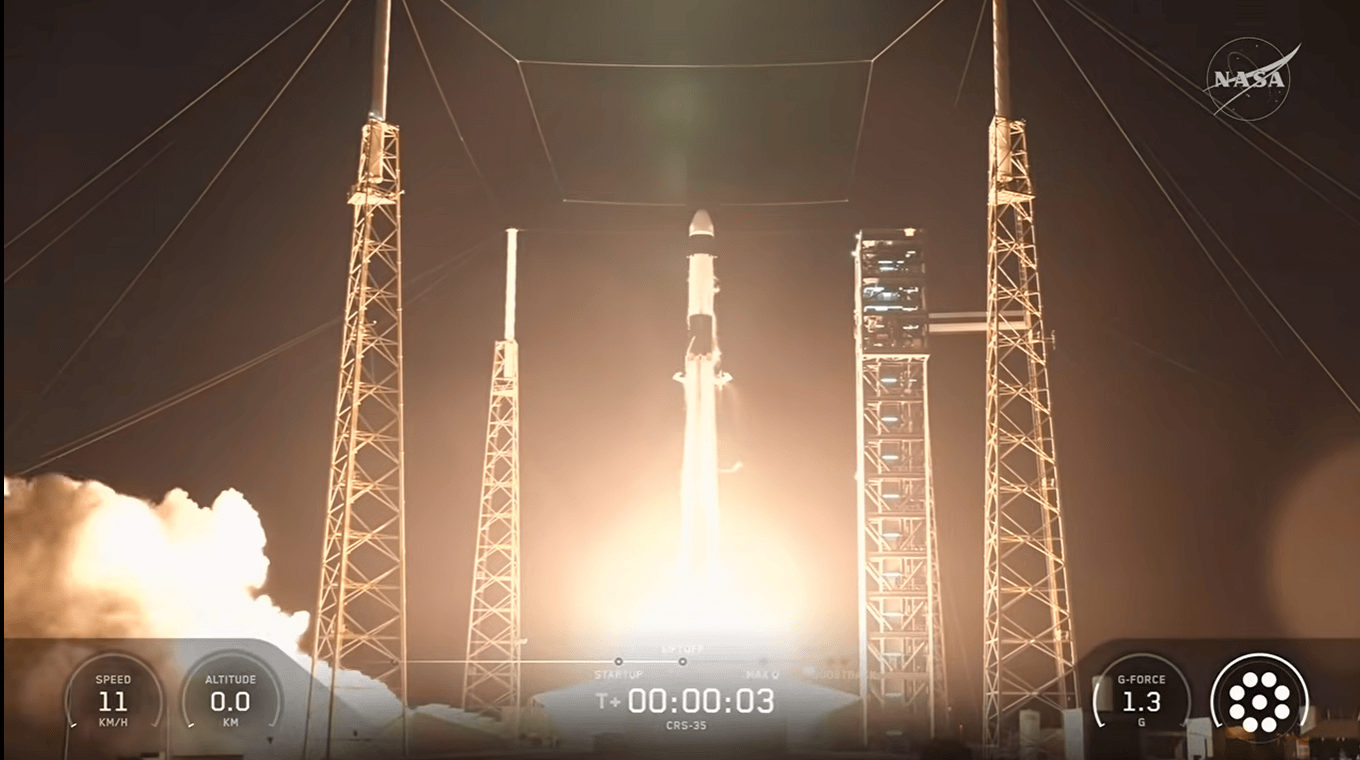
Falcon 9 Launches Supplies to ISS
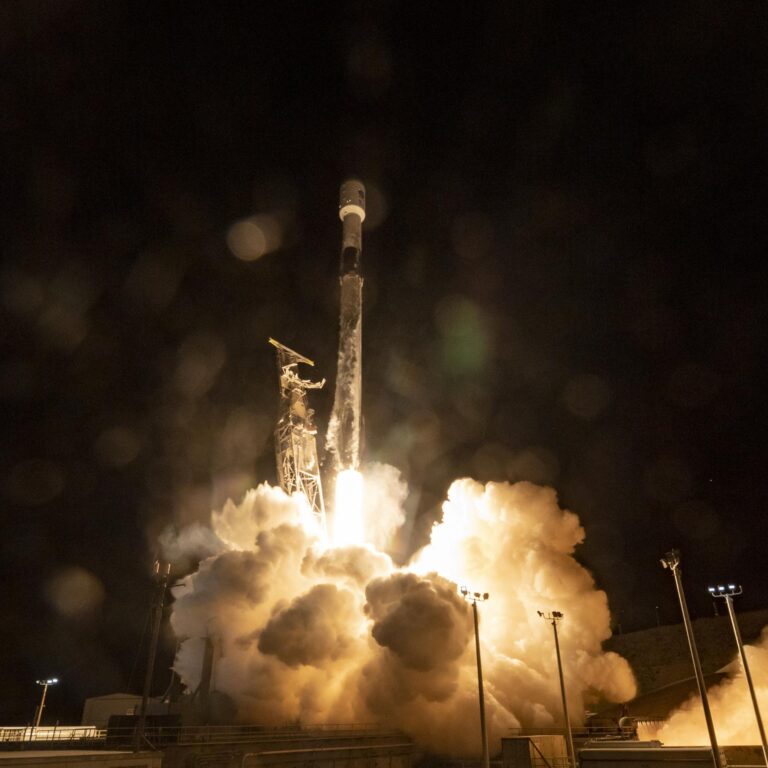
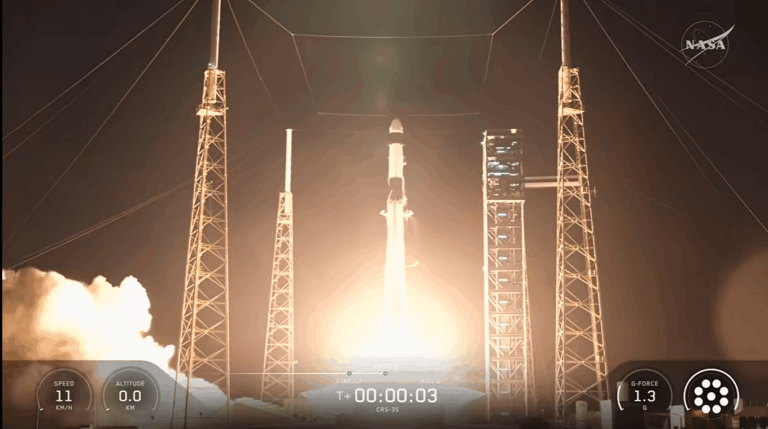
A SpaceX Falcon 9 rocket successfully lifted off on Tuesday, October 13, 2026, at 6:33 a.m. EDT from Cape Canaveral Space Force Station in Florida. This mission marks SpaceX’s 35th Commercial Resupply Services flight for NASA, transporting over 6,300 pounds of supplies and equipment to the International Space Station (ISS).
The Dragon spacecraft, part of this mission, is set to deliver a variety of scientific experiments and cargo. Among its significant payload is the final duo of International Space Station Roll-Out Solar Arrays, which will enhance the station’s power system. This upgrade is expected to increase the electricity available for research activities, operational needs, and ensure the safe deorbiting of the station.
Upcoming Docking Plans
Scheduled to autonomously dock with the ISS on Thursday, October 15, at 11 a.m., the Dragon will connect with the Harmony module’s space-facing port. NASA plans to stream the docking event live, beginning at 9:15 a.m. on various platforms.
In addition to the solar arrays, the Dragon spacecraft is carrying numerous scientific experiments. These include hardware for creating artificial retinas in microgravity, which aim to assist individuals with vision impairments on Earth, as well as 3D heart tissue models designed to facilitate large-scale drug testing during future space missions. Other research materials aboard will explore the formation of new types of glass in microgravity and brain organoids that could help identify treatment avenues for neurodegenerative diseases such as Alzheimer’s, Parkinson’s, and multiple sclerosis.
Research Impact and Future Missions
This mission exemplifies the extensive range of research being conducted aboard the ISS, spanning biology, biotechnology, physical sciences, and Earth and space science. The outcomes of these investigations are not only beneficial to life on Earth but also serve as a foundation for upcoming deep space missions, including those planned under NASA’s Artemis program, which aims to send astronauts to the Moon and eventually to Mars.
The Dragon spacecraft is expected to remain at the ISS until mid-November, when it will return to Earth with critical research and cargo, splashing down off the coast of California.
For more details about the ISS, its ongoing research, and crew, NASA provides additional resources.
Source: NASA