Thanksgiving Program at Bennett Place
DURHAM — The roots of the Thanksgiving celebration in the United States can be traced back to the Civil War era. In 1863, President Abraham Lincoln established a national day of thanksgiving on the final Thursday in November to promote healing and unity during a tumultuous time in the nation’s history.
Event Details
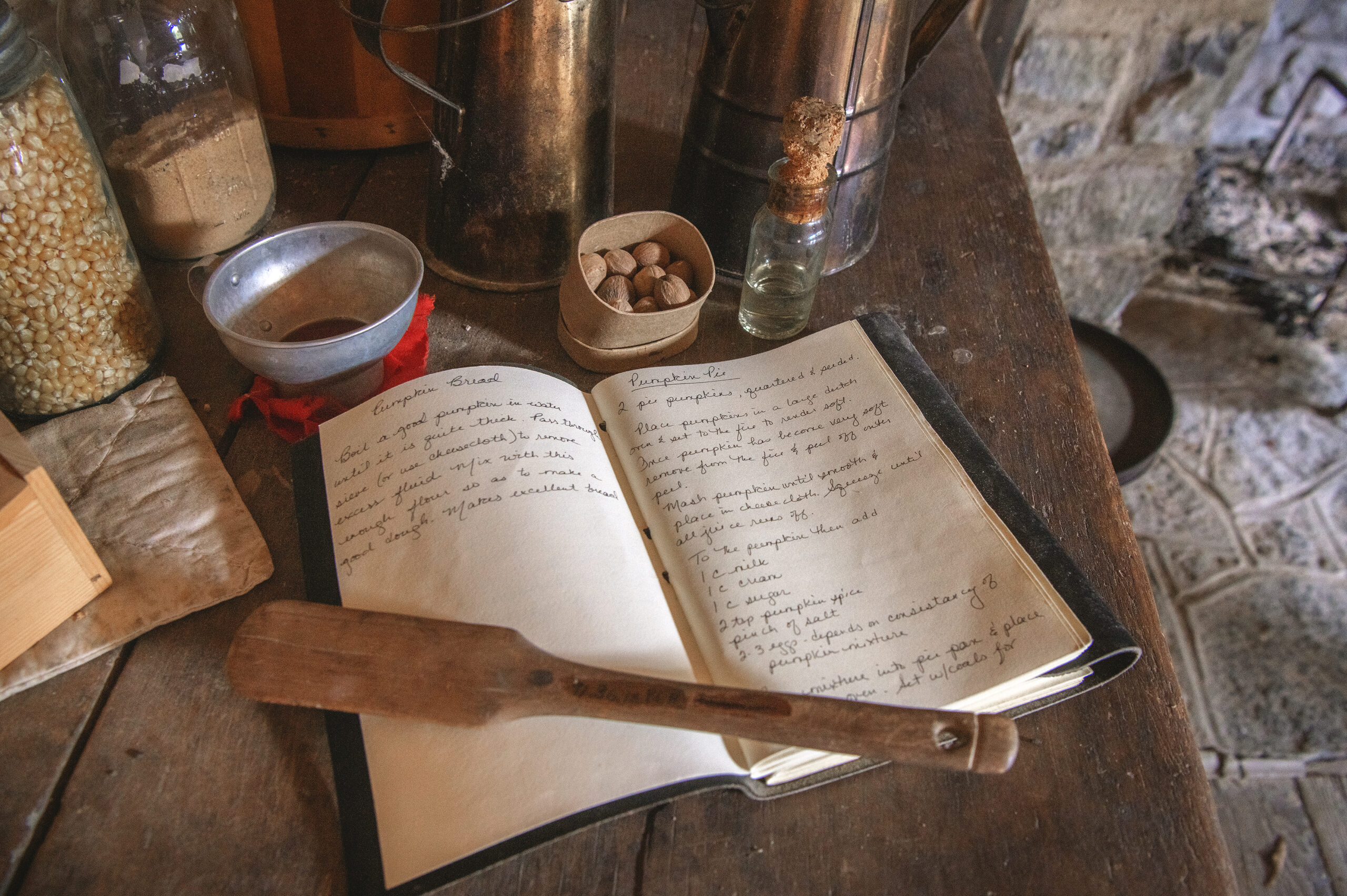
On Saturday, November 21, visitors can delve into the rich history and culinary traditions of Thanksgiving at Bennett Place State Historic Site. The event, titled “Thanksgiving: Culinary and Cultural History,” will take place from 11 a.m. to 3 p.m. Attendees will have the opportunity to engage with various interactive stations featuring crafts, games, a soldiers’ camp, hearth cooking demonstrations, a historic recipe exchange, cultural foodways, and insights into the holiday’s history. This program is organized by the Division of State Historic Sites under the North Carolina Department of Natural and Cultural Resources.
Admission and Fundraising
While admission to the event is free, a suggested donation of $10 per adult is encouraged. Additionally, the Alliance for Historic Hillsborough will be offering barbecue from the Hillsborough BBQ Company as part of a fundraising initiative that will benefit both the Alliance and Bennett Place.
About Bennett Place
Bennett Place State Historic Site, situated on a 189-acre farm in the North Carolina Piedmont, was once the residence of James and Nancy Bennett. This site holds historical significance as the location where the largest surrender of Confederate troops took place during the Civil War. In April 1865, Generals William T. Sherman and Joseph E. Johnston negotiated the terms of surrender over a three-day period, an event that played a crucial role in the reunification of the country. Today, the reconstructed farmhouse, kitchen, and smokehouse at Bennett Place provide a glimpse into the life of a typical Southern farmer during that era. The site is located at 4409 Bennett Memorial Rd., Durham, NC 27705.
Source: N.C. Department of Natural and Cultural Resources