Wildfire Research Initiative Launched
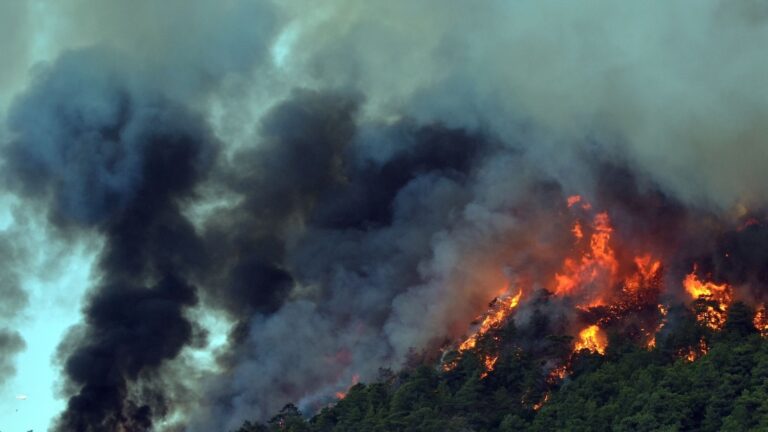
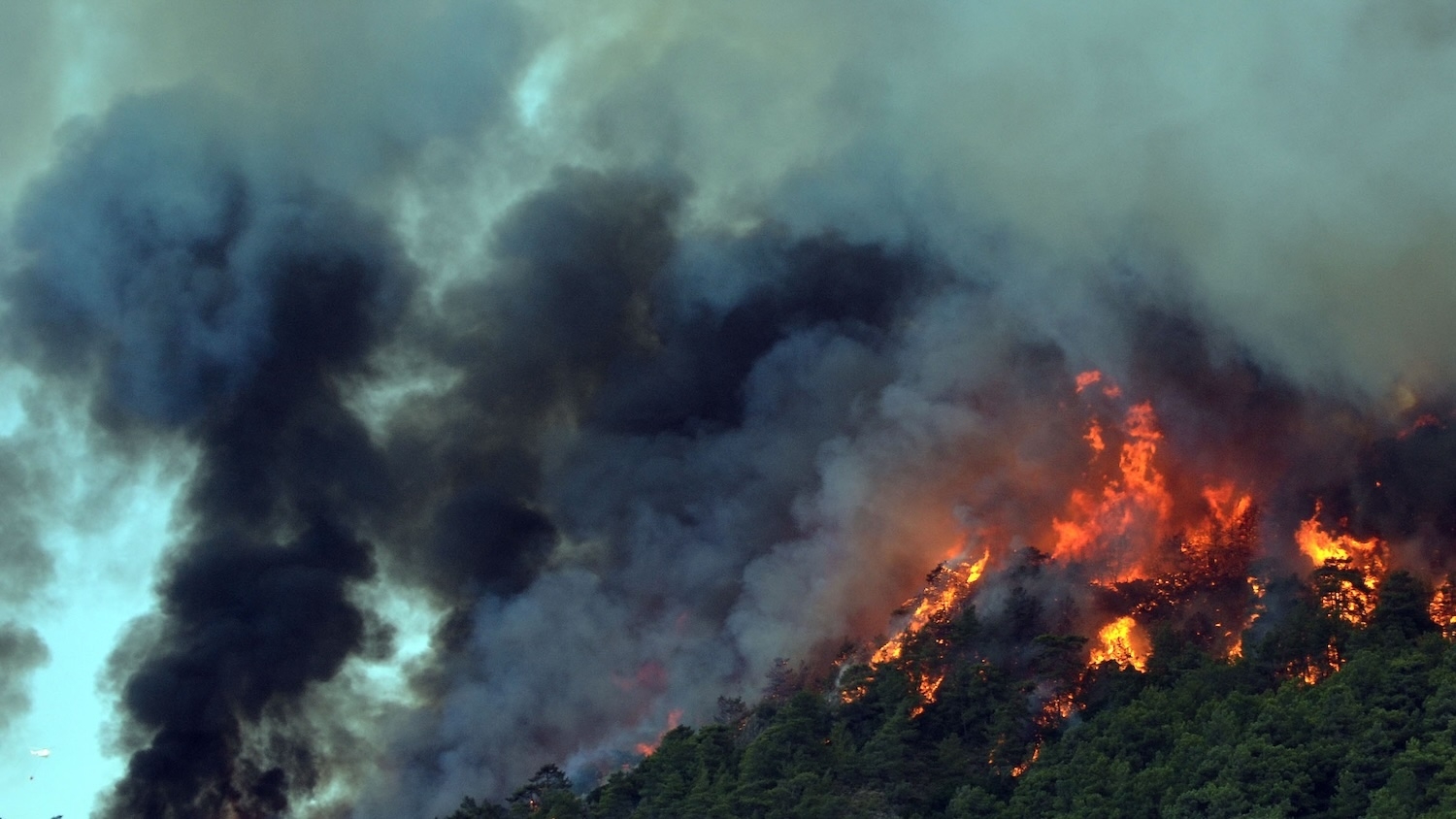
Recent wildfires in western North Carolina, ignited shortly after Tropical Storm Helene, have prompted significant research into wildfire risks in the region. More than 2,000 fires erupted between March and April 2025, consuming over 23,000 acres. These incidents highlight the growing threat of wildfires in the southern Appalachian mountains, a concern being addressed by researchers at North Carolina State University through a new federally-funded study.
This initiative, backed by approximately $1.79 million from the National Science Foundation, involves collaboration between NC State, Mississippi State University, the NC State Climate Office, and the U.S. Forest Service. The team aims to explore how “hydroclimatic whiplash” affects wildfire risk in the Blue Ridge Ecoregion, which stretches from southern Pennsylvania to northern Georgia.
Understanding Hydroclimatic Whiplash
Hydroclimatic whiplash refers to the rapid alternation between extreme weather conditions, such as transitioning from heavy rainfall to severe drought within a single season. This phenomenon has become increasingly prevalent due to climate change and has been shown to elevate wildfire risks in the western United States.
Unlike the arid climates of the West, the Blue Ridge Ecoregion generally enjoys high humidity and significant rainfall, which have historically limited large-scale wildfires. However, researchers are concerned that climate change may disrupt these patterns, leading to more frequent severe wildfires in the southern Appalachians.
Katherine Martin, an associate professor in NC State’s Department of Forestry and Environmental Resources and a project co-lead, noted that shifts in weather patterns could pose significant risks. She expressed hope that understanding these influences will aid communities in preparing for potential wildfires and making informed decisions to safeguard both people and forests.
Research Goals and Collaboration
The research team plans to investigate four main objectives over the next three years. These include characterizing hydroclimatic shifts and their relationship with wildfires, assessing fuel loads and moisture levels at the forest scale, mapping fuel flammability and abundance, and developing predictive models.
Kátia Fernandes, a senior research scholar at the NC State Climate Office, leads the first objective, focusing on identifying when and where wet-dry whiplash events occur. This research will also explore whether these events correlate with increased wildfire incidents and assess the influence of large-scale climate patterns like El Niño.
Meanwhile, Martin is collaborating with Chris Oishi from the U.S. Forest Service and Courtney Seigart from Mississippi State University to examine the relationship between wet-dry whiplash events and fuel accumulation. They hypothesize that canopy gaps created by storms could increase drying and flammability by allowing more sunlight and wind to reach lower forest areas.
Mapping and Modeling Wildfire Risks
Joshua Gray, another collaborator and associate professor at NC State, is leading efforts to map fuel abundance and moisture across the region. By integrating field data, satellite imagery, weather records, and artificial intelligence, Gray aims to create high-resolution maps that reveal areas at heightened risk for wildfires.
The final objective involves simulating potential wildfire scenarios up to the year 2100. Martin is working alongside Robert Scheller, also from NC State, to analyze how climate changes and forest management practices may shape future fire risks. The researchers will utilize an advanced modeling platform, LANDIS-II, to conduct these simulations, combining insights from Gray’s moisture estimates with forecasts of future weather patterns and fire management strategies.
The team is also engaging with the U.S. Forest Service and Southern Fire Exchange to refine wildfire management practices by comparing their findings with current methods. By the conclusion of this project in 2030, they aim to provide local land managers and communities with valuable data and tools to better anticipate wildfire risks and enhance safety measures in the Blue Ridge Ecoregion.
Source: NC State University