Innovative Presentations at NC State’s Research Week
Each year, NC State University holds Research Week, featuring an engaging event known as the Research Lightning Round, where faculty members present their work in concise five-minute talks. This year, the event showcased a diverse range of research, encouraging interdisciplinary connections and future collaborations. Organized by the Research Leadership Academy in conjunction with the Office of Research and Innovation (ORI), the Lightning Round underscores the extensive research landscape at NC State, embodying the university’s motto of “Think and Do.”
The Power of Storytelling
The Lightning Round commenced with a focus on the significance of storytelling in fostering community and driving business growth. Topher Maraffi from the College of Design discussed a project where students collaborated with Historic Mitchelville Freedom Park to create virtual reality tours that illuminate local history. This heritage site in South Carolina was the first self-governing town established by formerly enslaved Gullah-Geechee people during the Civil War.
Angela Wiseman from the College of Education highlighted the Literacy and Community Initiative, a partnership aimed at enhancing literacy education and supporting marginalized youth. This initiative includes monthly sessions with community organizations that incorporate writing and art, providing a platform for participants to explore self-expression.
Elena Kulchina from Poole College of Management examined the impact of founders on the sustainability of startups, discussing how entrepreneurs can either manage their firms directly or delegate management, a choice that significantly influences the longevity of new ventures.
Enhancing Understanding Through Data
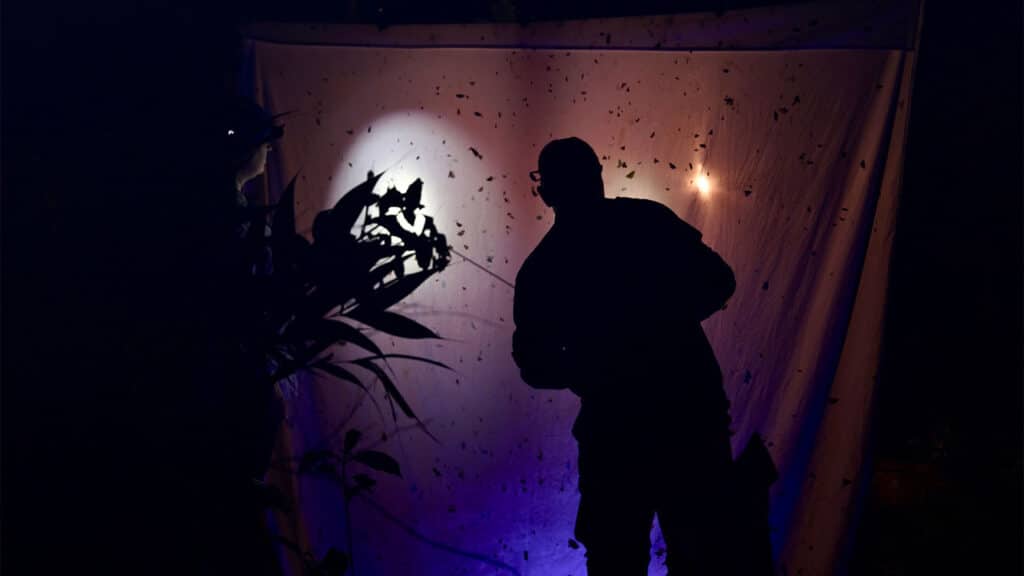
The Lightning Round also delved into the role of dynamic data and advanced modeling in improving comprehension across various fields, including ecosystems and higher education governance. Josh Gray from the College of Natural Resources presented on the use of lidar technology, which employs vertical laser imaging to map environments, enhancing understanding of wildlife interactions with their habitats by integrating trail camera footage.
Chao Chen from the College of Sciences discussed how introducing randomness into large-scale mathematical calculations can accelerate processing times without sacrificing accuracy, a significant advancement in computational research.
Shevaun Neupert, a professor in the College of Humanities and Social Sciences, unveiled a new metadata catalog that organizes long-term data on understudied populations, providing valuable insights into health-related research. Meanwhile, Kirsti Cole addressed the importance of developing better policies regarding artificial intelligence in higher education, presenting a framework for educators to evaluate AI systems effectively.
Breaking New Ground in Research
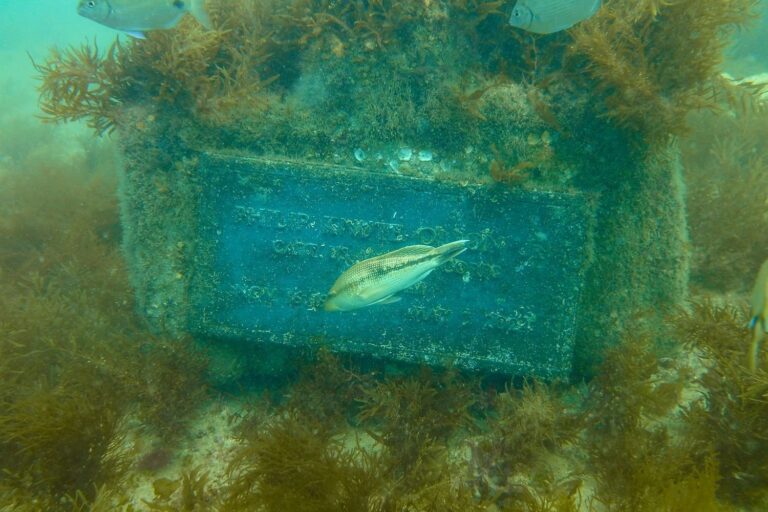
The presentations also highlighted groundbreaking research in ocean energy, cellular biology, and fusion power. George Bonner, director of the North Carolina Renewable Ocean Energy Program, shared insights from a decade of research into marine energy, focusing on the potential of wave and tidal power for commercial use and coastal resilience.
Orlando Arguello-Miranda from the College of Agriculture and Life Sciences explained how generative AI is being utilized in cellular biology to develop algorithms that enhance the understanding of cellular microorganisms, suggesting that such technology could rival microscopes in its usefulness.
The event concluded with Florian Laggner from the Department of Nuclear Engineering discussing the advancements made at the Fusion Plasma Auxiliaries Characterization Laboratory (FPAC Lab). His research aims to develop critical components necessary for maintaining fusion plasmas, contributing to the global effort for sustainable, carbon-free energy sources.
Source: NC State University