Innovative Research at NC State Tackles Cotton Crop Challenges
As the fall harvest season approached, a team of researchers from North Carolina State University (NC State) convened at the Sandhills Research Station in Windblow, North Carolina, to address a pressing issue in cotton farming. Utilizing a drone to survey the cotton fields, they focused on identifying gaps between plants, known as “skips,” which can significantly impact yields and create financial burdens for growers. A ground robot nearby demonstrated a potential solution being developed by the team.
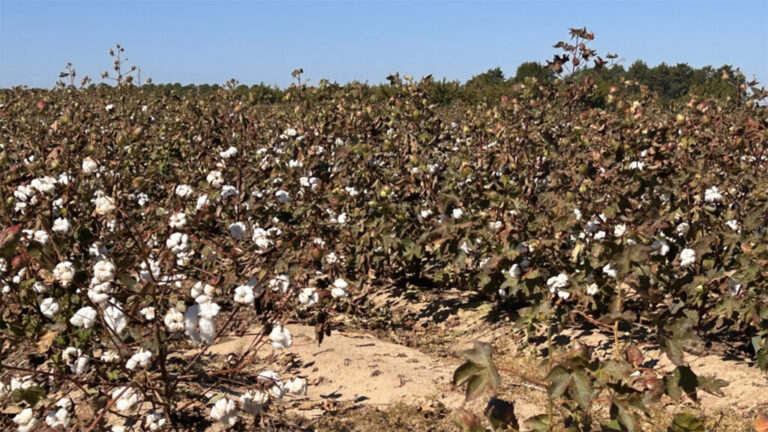
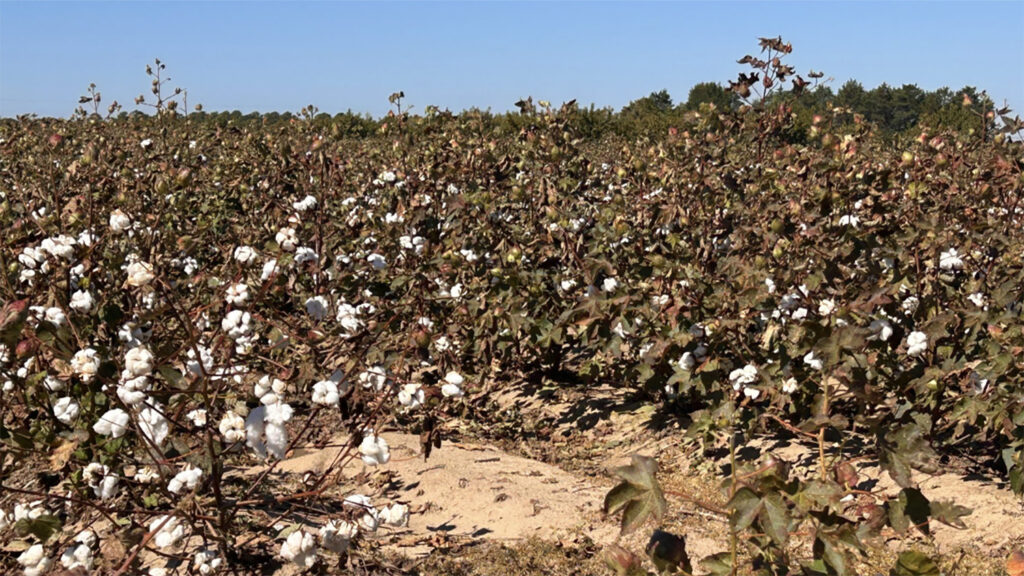
Gaps in cotton fields often arise when seeds do not germinate or when young plants are adversely affected by weather conditions or pests. When these gaps are numerous, farmers must decide whether to accept reduced yields or incur the expenses and labor associated with replanting. According to project leader Frank Bai, growers currently lack effective strategies for filling these gaps without risking damage to existing plants or inflating labor costs.
Automated Solutions for Farmers
To tackle this problem, Bai’s team is developing an innovative approach that combines autonomous drones with self-driving ground robots. This technology aims to specifically target and replant only the empty spaces in cotton fields. Guy Collins, a professor and cotton specialist at NC State, noted the potential benefits of this method for farmers, emphasizing the importance of timely replanting in minimizing costs.
The research process begins with drone surveillance. Bai, who is an assistant professor in biological and agricultural engineering, explained that a research associate at NC State operates the drone remotely from Raleigh. The drone captures high-resolution images of the cotton plants and uses artificial intelligence to detect gaps longer than three feet. This data is processed on-site using a local server, eliminating the need for extensive manual scouting.
Enhancing Agricultural Research Infrastructure
This drone technology is part of a larger initiative called Automating Intelligence from Research Stations (AIRS), which aims to enhance agricultural research at NC State by improving digital infrastructure. Under the guidance of researchers including Chris Reberg-Horton and Jevon Smith, the project seeks to streamline data collection and analysis, leveraging drones and related technologies.
With funding from Cotton Inc., the interdisciplinary team is not only mapping gaps in cotton fields but also developing a self-driving robot capable of navigating autonomously and replanting seeds in identified gaps. This system utilizes precise satellite location data to ensure accuracy in filling the gaps, potentially transforming cotton farming practices.
Broader Applications and Future Prospects
The implications of this research extend beyond cotton cultivation. The technology could assist farmers in various crops by enabling remote scouting and real-time field measurements. Bai’s broader research agenda focuses on plant phenotyping, studying the physical traits of plants to inform breeding practices, especially in developing drought-resistant varieties. Collaborative projects with the USDA and other NC State departments are already underway to explore these applications.
The Sandhills Research Station offers a unique environment for testing these innovations, with its sandy, nutrient-draining soil providing a challenging backdrop for plant growth. This setting allows researchers to gather valuable data on plant responses to stress, which is crucial for breeding resilient crop varieties.
As the agricultural sector faces increasing pressures from labor shortages, rising costs, and climate-related challenges, Bai believes that the advancements being made in precision agriculture will provide farmers with essential tools to enhance productivity and sustainability. By integrating technology into farming practices, researchers aim to support farmers in navigating the complexities of modern agriculture while contributing to global food security.
Source: NC State University