New Exhibit Highlights Stamp Act Resistance
RALEIGH, N.C. — An online exhibit launched by the North Carolina Department of Natural and Cultural Resources delves into the state’s historical opposition to British rule in the lead-up to the American Revolution. Titled “Stamp Act Resistance in Colonial North Carolina,” the exhibit debuted on November 16, coinciding with the anniversary of the 1765 protest that led to the resignation of North Carolina’s stamp master, William Houston.
Documenting Colonial Opposition
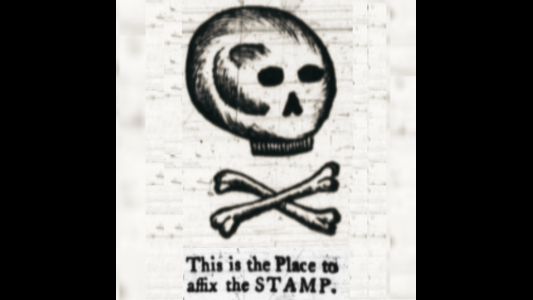
The exhibit features over 60 historical documents that have been newly transcribed and made searchable. These records highlight the reactions of North Carolinians to the Stamp Act of 1765, which was widely unpopular and incited protests across the American colonies. The exhibit allows visitors to learn about the origins of the act, the reasons for local opposition, and the escalation of demonstrations that culminated in what became known as the “Stamp Act Mob.” Additionally, it examines how the eventual repeal of the law contributed to the growing momentum for American independence.
Part of a Broader Commemoration
This initiative is part of North Carolina’s ongoing America 250 commemoration, which aims to reflect on the events and figures that influenced the state’s path toward independence. The exhibit provides a unique opportunity to engage with the historical narrative surrounding the political climate of the time.
MosaicNC: A Resource for Historical Exploration
MosaicNC serves as the digital platform for exploring North Carolina’s history through interactive exhibits and primary source documents. The site covers a wide range of topics, from the Lost Colonists to the Space Race, and is produced by the Historical Digital Publications Office, a division of the Office of Archives and History at the Department of Natural and Cultural Resources.
Source: N.C. Department of Natural and Cultural Resources