NASA Concludes Swift Mission
NASA has officially brought the Neil Gehrels Swift Observatory’s science mission to a close, as the spacecraft now orbits at an altitude of less than 171 miles (275 kilometers) above Earth. This reduced altitude increases atmospheric drag, hampering the satellite’s ability to maintain its focus on astronomical targets.
The final observation by Swift took place on October 20, and the spacecraft is anticipated to re-enter the atmosphere in the coming weeks.
Decade of Scientific Contributions
According to NASA, Swift has significantly exceeded its original two-year mission, providing over a decade of valuable scientific data. Shawn Domagal-Goldman, director of the Astrophysics Division at NASA Headquarters in Washington, highlighted the mission’s profound impact on understanding the dynamic universe, emphasizing the importance of rapid-response observations for the scientific community. Additionally, the mission has left behind an extensive archive of multiwavelength observations that are expected to facilitate future discoveries for years to come.
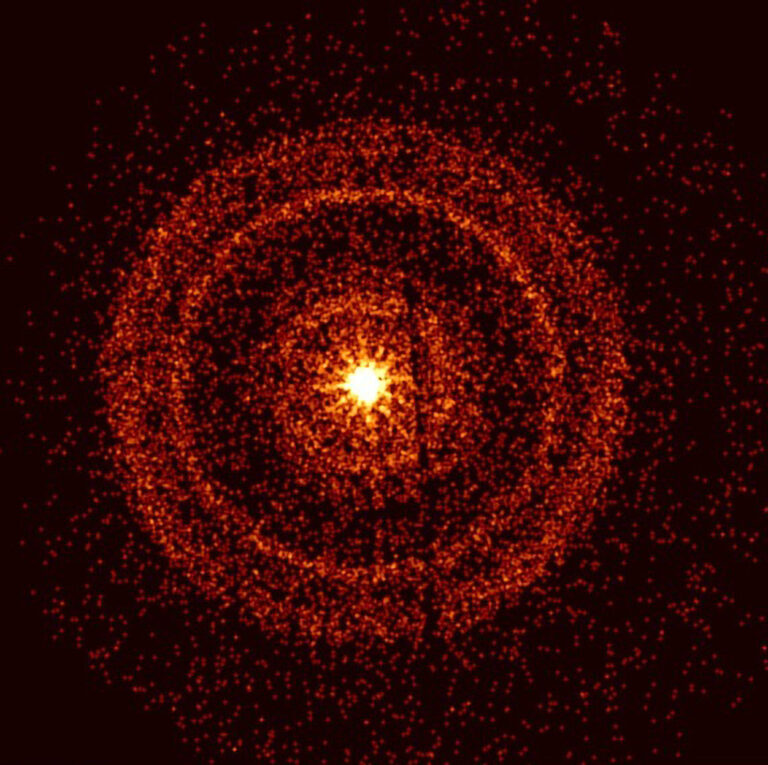
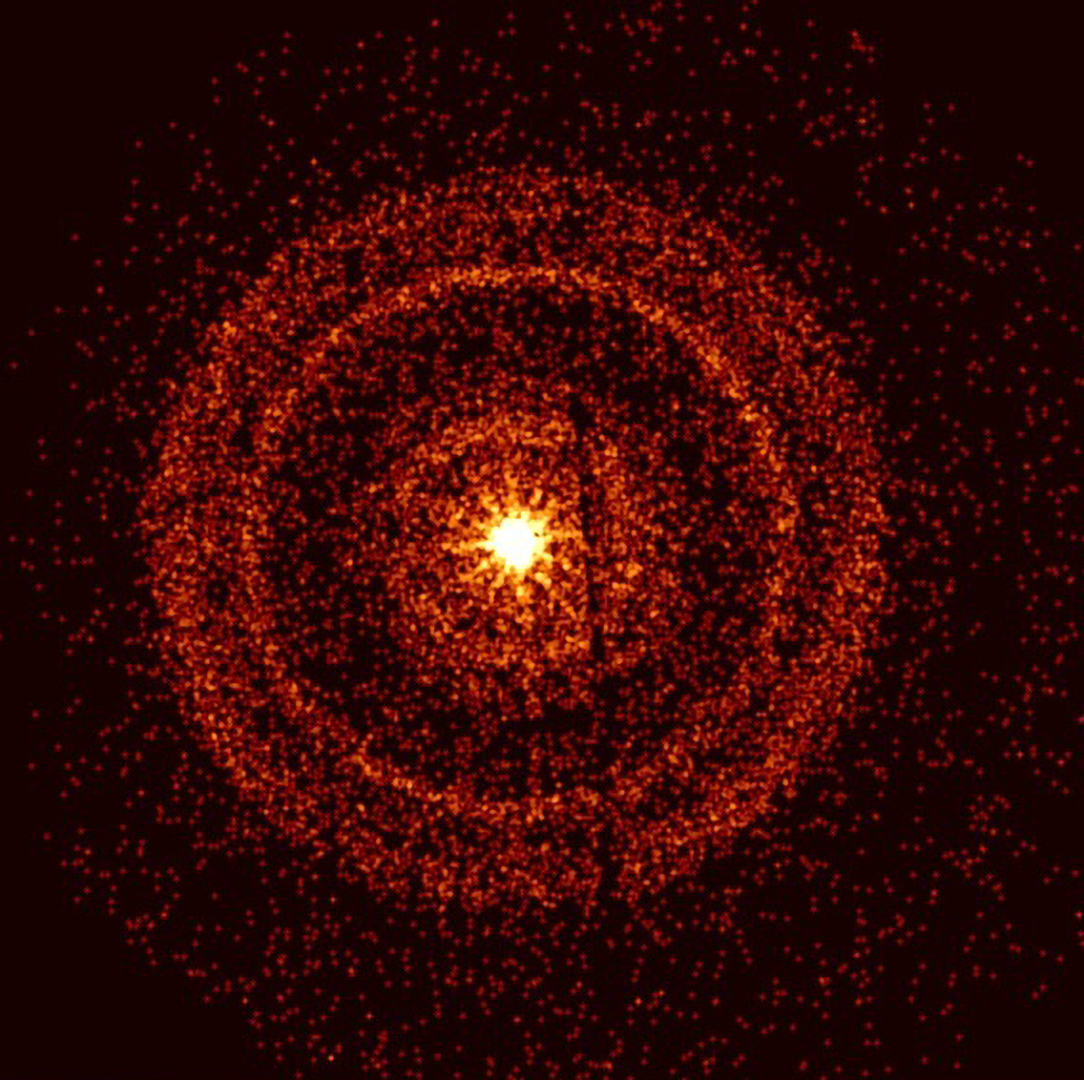
Throughout its operational lifespan, Swift has recorded more than 2,000 gamma-ray bursts, which are some of the most intense explosions observed in the universe. It has also documented over 1,400 supernovae, monitored active galaxies, and performed an all-sky X-ray survey, among various other astronomical studies. The data generated by Swift has contributed to nearly 7,000 scientific publications.
Innovative Design and Rapid Response
Swift was designed specifically for the rapid study of gamma-ray bursts, which occur so quickly that traditional telescopes are often unable to capture them in time. S. Bradley Cenko, the principal investigator for Swift at NASA’s Goddard Space Flight Center, explained that the mission was able to detect and locate gamma-ray bursts, relay their coordinates to other observatories, and quickly adjust its telescopes to capture images of the bursts before their afterglows faded. This process typically required about one minute.
The mission, which was launched on November 20, 2004, featured co-aligned Optical/Ultraviolet and X-ray telescopes, allowing for quick imaging and precise positioning of cosmic events. After the passing of its first principal investigator, Neil Gehrels, in 2018, NASA renamed the mission in his honor.
Enduring Legacy and Future Exploration
Swift’s ability to rapidly respond to gamma-ray bursts, particularly short ones that reach their peak brightness in under two seconds, set it apart as a versatile astronomical tool. In May 2005, Swift successfully identified the afterglow of GRB 050509B, which lasted just 0.03 seconds, marking a breakthrough in the study of short gamma-ray bursts. Observations from this event supported existing theoretical models suggesting that such bursts originate from the merger of neutron stars.
The spacecraft’s flexible operational planning allowed astronomers to initiate “target-of-opportunity” observations with minimal notice, as well as to establish monitoring programs for specific sources over various timeframes. Swift was capable of scheduling up to 75 independent targets daily.
The comprehensive Swift archive consists of nearly 22 years of data, including brightness measurements from a variety of cosmic events, more than 1.5 million images from its Ultraviolet/Optical Telescope, and a vast array of multiwavelength spectra. The total dataset, publicly accessible as part of NASA’s commitment to transparency in scientific research, encompasses approximately 12 terabytes of information.
While the Swift mission has concluded, NASA is continuing to explore options for rapid responses to cosmic events, utilizing its existing missions to bridge the gap created by Swift’s retirement.
Source: NASA