CHAPEA Mission 2 Crew Set to Conclude Year-Long Simulation
Four volunteers who participated in a simulated NASA Mars mission are scheduled to leave their habitat on Saturday, October 31, after spending 378 days in isolation at the Johnson Space Center in Houston. This mission, known as CHAPEA (Crew Health and Performance Exploration Analog), aimed to gather health and performance data to assist NASA in addressing challenges associated with human spaceflight for future Artemis and Moon Base missions.
Live Coverage of the Departure Ceremony
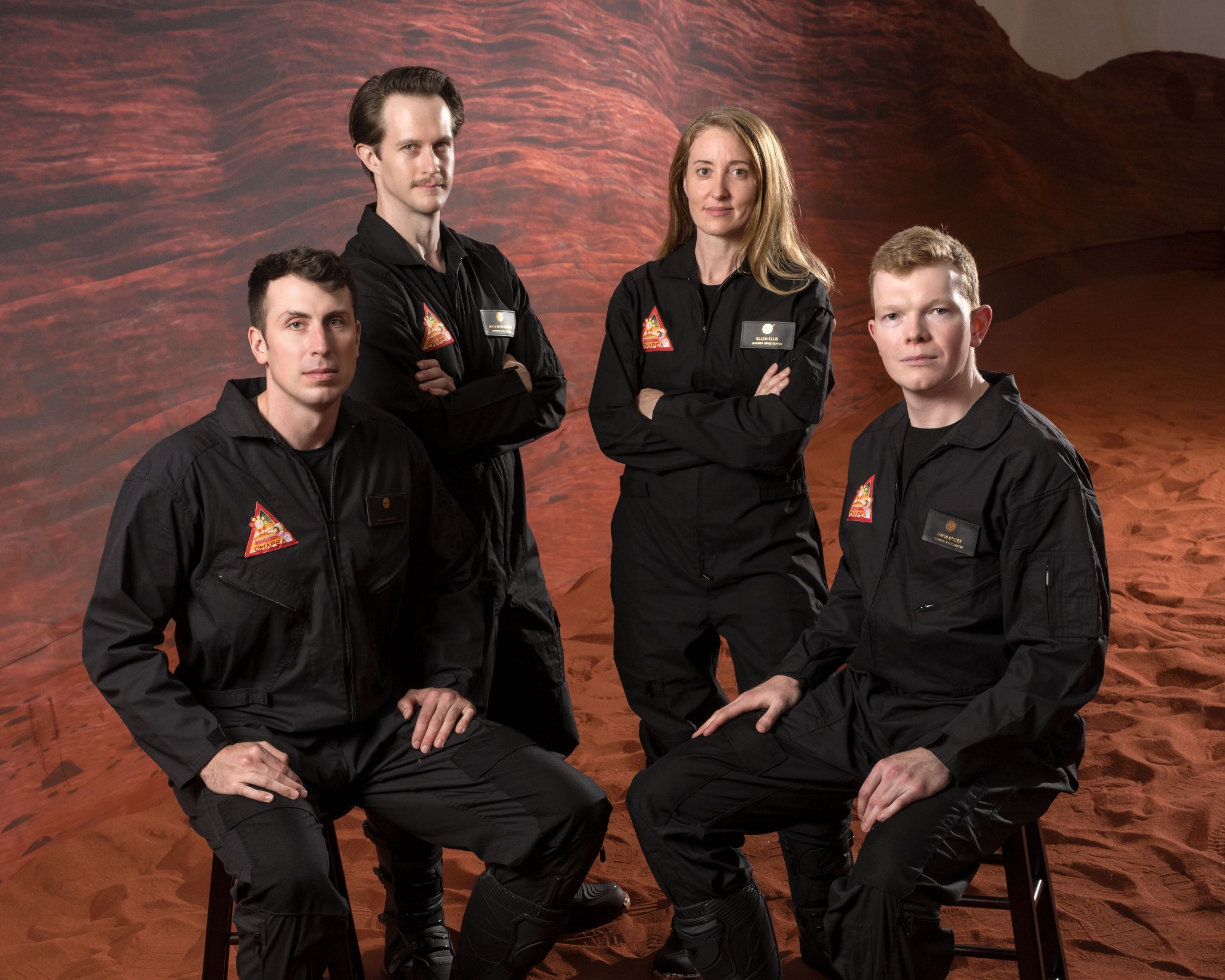
Nasa will broadcast the crew’s exit from the CHAPEA habitat starting at 3 p.m. EDT. The departure ceremony will be available for streaming on NASA Johnson’s YouTube channel and social media platforms. Johnson Center Director Vanessa Wyche and astronaut Jack Hathaway are set to speak at the event, along with crew members Ross Elder, Ellen Ellis, James Spicer, and Matthew Montgomery.
Media Invited to Attend
Media representatives are invited to view the ceremony live at NASA Johnson, where they can observe the crew’s first moments outside after more than a year. A subject matter expert will be on hand to answer questions following the ceremony. U.S. media interested in attending or inquiring about virtual interviews with the CHAPEA crew post-mission should reach out to the NASA Johnson newsroom by 2 p.m. on Friday, October 30.
Details of the Mission
The second CHAPEA mission commenced on October 19, 2025, with the crew residing in a 1,700-square-foot facility constructed using 3D printing technology. Throughout their time in the habitat, the volunteers engaged in activities that mirrored those of an actual Mars mission, such as conducting simulated spacewalks, exercising, maintaining the habitat, and growing plants, all while coping with challenges likely to be faced by future deep-space crews, including communication delays and resource constraints.
Impact on Future Missions
Data collected from this mission is expected to enhance preparations for NASA’s lunar initiatives by improving the design of food systems, optimizing crew time, and managing bandwidth on NASA’s Deep Space Network. Additionally, the findings will aid flight doctors and psychologists in refining medical care and behavioral support strategies to maximize crew readiness and performance during space missions.
Source: NASA