Upcoming Northrop Grumman Launch for NASA Science Delivery
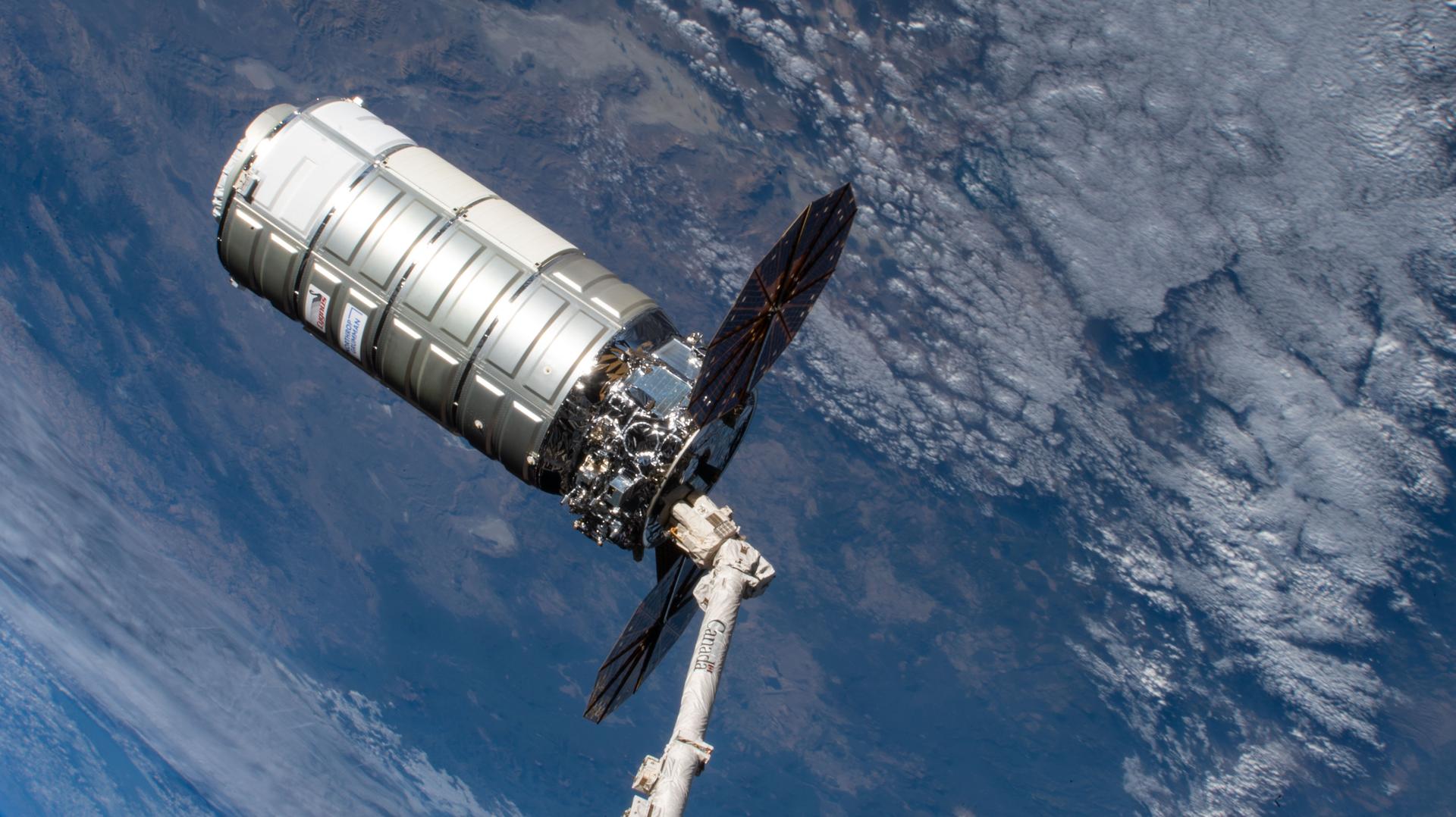
Media accreditation is currently open for the forthcoming launch of NASA’s Northrop Grumman CRS-25 mission, which aims to transport science experiments, supplies, and equipment to the International Space Station (ISS). Scheduled for November, the mission will utilize a Northrop Grumman Cygnus XL spacecraft, which will be launched aboard a SpaceX Falcon 9 rocket.
Launch Details and Timeline
The liftoff is set for no earlier than 10:49 a.m. EST on Sunday, November 29, from Space Launch Complex 40 at Cape Canaveral Space Force Station in Florida. After the launch, astronauts aboard the ISS will use the Canadarm2 robotic arm to capture the Cygnus spacecraft and dock it at the Earth-facing port of the Unity module. The spacecraft is expected to remain attached to the station until May 2027. This mission marks the 25th supply delivery by Northrop Grumman under its contract with NASA.
Media Accreditation Process
U.S. media personnel interested in covering the prelaunch and launch events can apply for accreditation until 11:59 p.m. EST on Thursday, November 12. Applications must be submitted online, and approval notifications will be sent via email. NASA’s media accreditation policies are outlined in detail through their official channels. For inquiries regarding the accreditation process or logistical support, interested parties are directed to specific email contacts.
Scientific Endeavors on Board
The Cygnus spacecraft will carry a variety of scientific experiments alongside essential supplies for the ISS crew. Notable projects include hardware designed for manufacturing tiny DNA-like particles in microgravity, which may enhance drug delivery methods for conditions such as cancer and osteoarthritis. Other research will focus on predicting the likelihood of cancer metastasis and testing therapies for muscle loss associated with aging and spaceflight. Additionally, the spacecraft will transport a compact radiation sensor aimed at improving crew safety during future missions.
Importance of Resupply Missions
Each resupply mission contributes vital scientific investigations across diverse fields, including biology, biotechnology, physical sciences, and technology demonstrations. The collaboration with U.S. companies for cargo resupply enhances NASA’s capacity to conduct groundbreaking research aboard the ISS, which has been continuously inhabited for 26 years. The space station serves as a critical platform for advancing scientific knowledge and preparing for extended missions beyond low Earth orbit, including future endeavors to the Moon and Mars.
Source: NASA