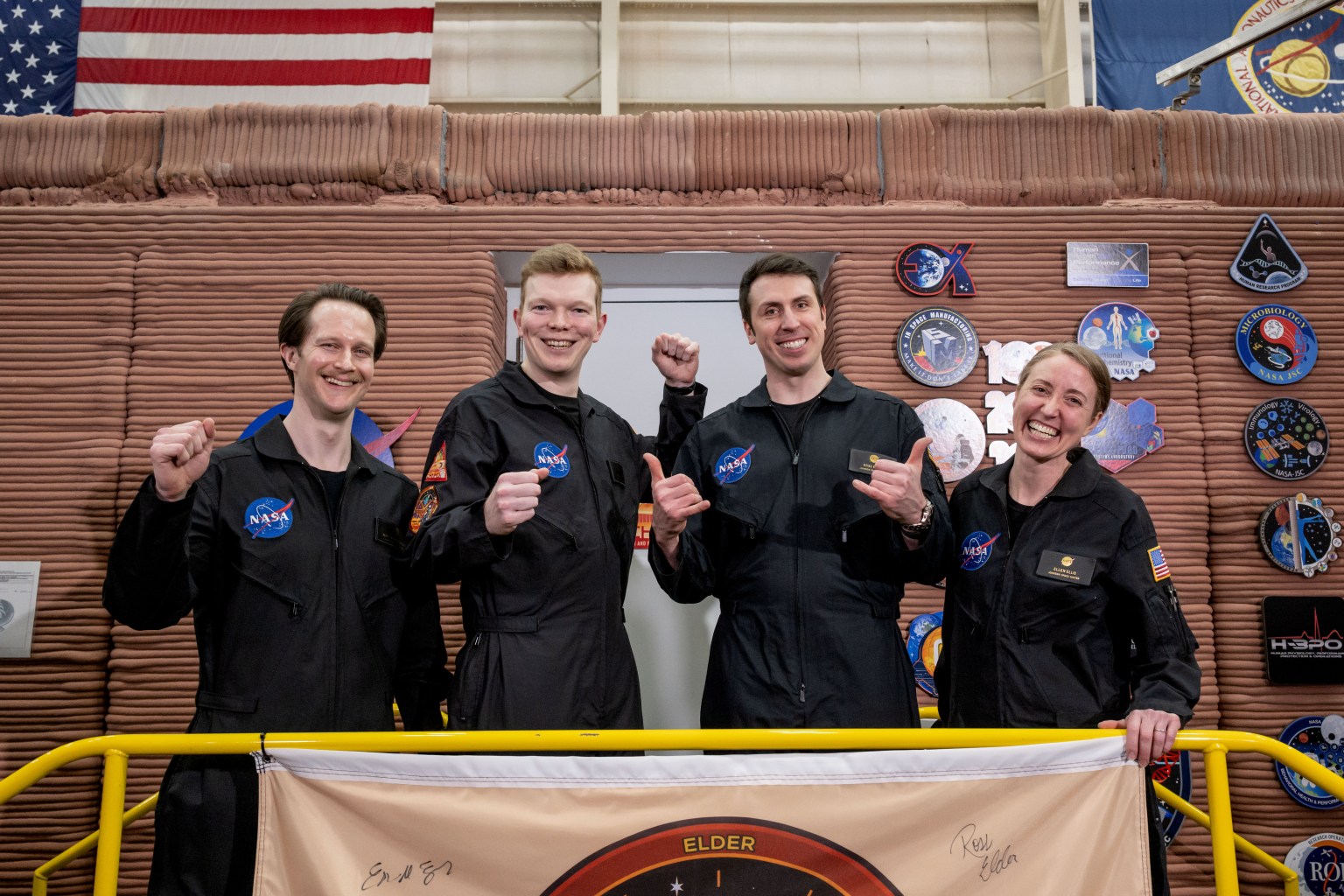
CHAPEA Mission 2 Crew Completes Yearlong Mars Simulation
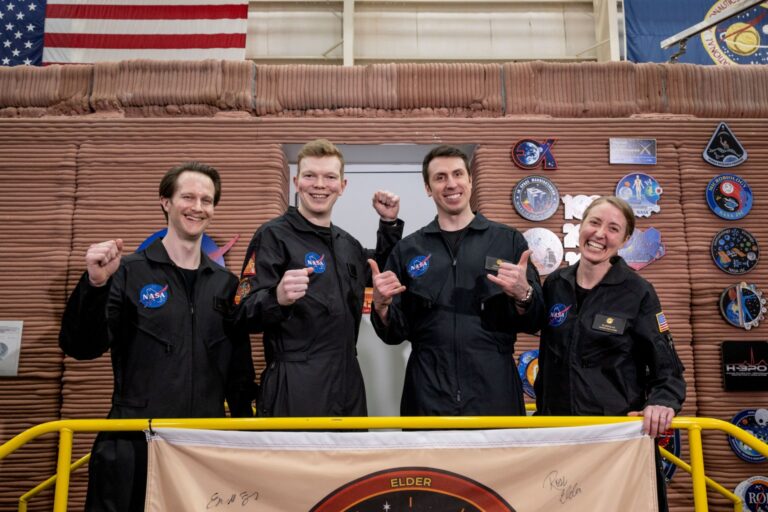
Four research volunteers emerged from NASA’s Mars Dune Alpha habitat on October 31, 2026, marking the end of the CHAPEA (Crew Health and Performance Exploration Analog) Mission 2. The crew had spent 378 days in isolation at NASA’s Johnson Space Center in Houston, enduring a simulated environment designed to mimic conditions on Mars.
The mission began on October 19, 2025, when Ross Elder, Ellen Ellis, James Spicer, and Matthew Montgomery entered the 1,700-square-foot, 3D-printed habitat. Their activities included conducting simulated Marswalks, operating robotic equipment, maintaining their living environment, exercising, and growing crops.
Insights from the Mission
Vanessa Wyche, director of NASA’s Johnson Space Center, emphasized the significance of the crew’s experience. “Their work means more than completing a mission,” she stated, highlighting the importance of preparing for future human exploration beyond Earth.
During the crew’s time in isolation, NASA astronaut Jack Hathaway completed a 237-day mission aboard the International Space Station, providing context for the isolation experience. Hathaway noted, “The reality of what you guys did here required immense physiological and psychological strength, teamwork, and human grit.”
The CHAPEA crew faced challenges such as limited resources and communication delays of up to 22 minutes, all while collecting vital health and performance data.
Roles and Responsibilities
Commander Ross Elder, an experienced U.S. Air Force test pilot, led the team through demanding schedules that mirrored the physical preparation required for future Mars missions. He underscored the importance of nutrition, exercise, and rest to maintain their rigorous pace.
Medical officer Ellen Ellis, a U.S. Space Force officer, utilized her military background to manage health-related protocols and emphasized the necessity of maintaining discipline in their procedures. She expressed that her relationships with fellow crewmates helped mitigate feelings of isolation.
James Spicer, the flight engineer, managed the habitat’s systems and likened the experience to living on a submarine, where resource management is crucial. He found that the lack of constant news updates allowed him to concentrate on the mission more effectively.
Matthew Montgomery, serving as the science officer, utilized his diverse background in engineering and technology to contribute significantly to the mission. He was recognized for his problem-solving skills and involvement in agricultural experiments within the habitat.
Future Implications of the Research
Post-mission evaluations will take place over the next two weeks, enabling researchers to analyze the data collected during the mission in conjunction with the crew’s experiences. Grace Douglas, the principal investigator for CHAPEA, stated that the findings will assist NASA in balancing human health and performance risks with available resources.
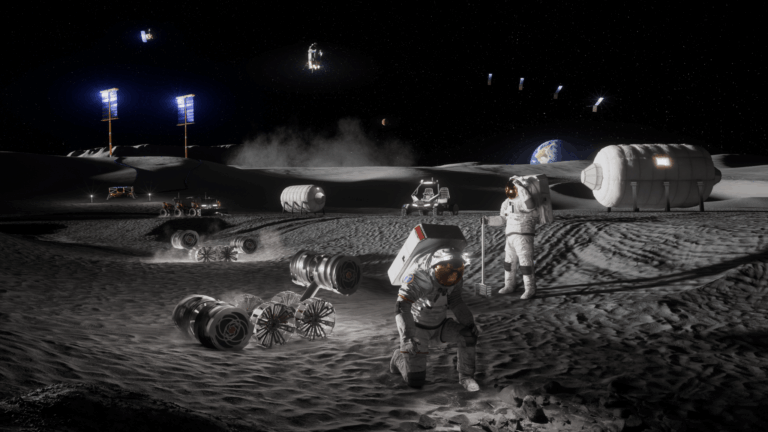
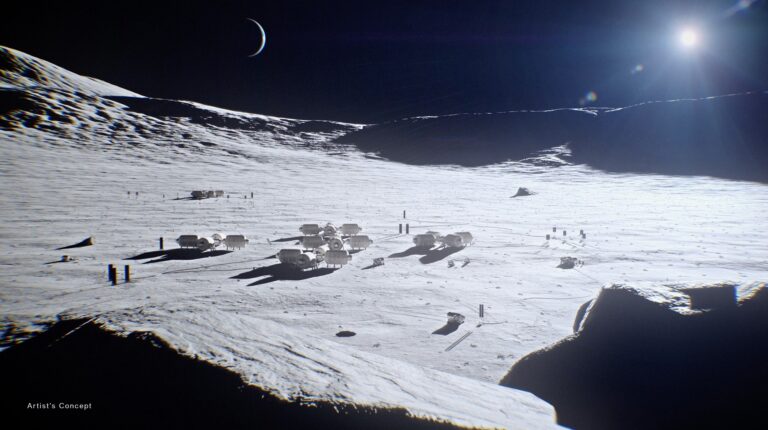
Sara Whiting, the project scientist, remarked on the importance of the data as NASA prepares for future lunar missions, specifically for the Moon Base planned for the lunar South Pole.
The insights gained from CHAPEA Mission 2 are expected to play a crucial role in shaping the future of human exploration, not only on Mars but also in overcoming challenges that resonate with issues on Earth.
Source: NASA