Transitioning from Military to Academia
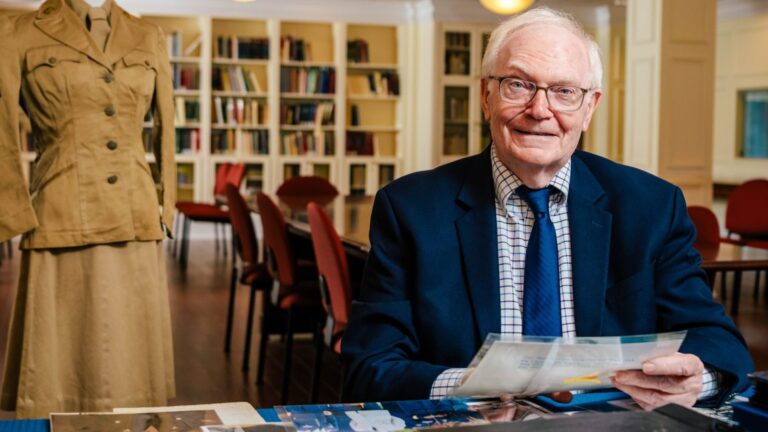
Brandon McConnell achieved significant milestones during his twenties, including graduating from the U.S. Military Academy at West Point and serving multiple tours in Iraq as an infantry officer, ultimately rising to the rank of company commander. However, after departing from the Army at 29, he grappled with a sense of loss regarding purpose and camaraderie.
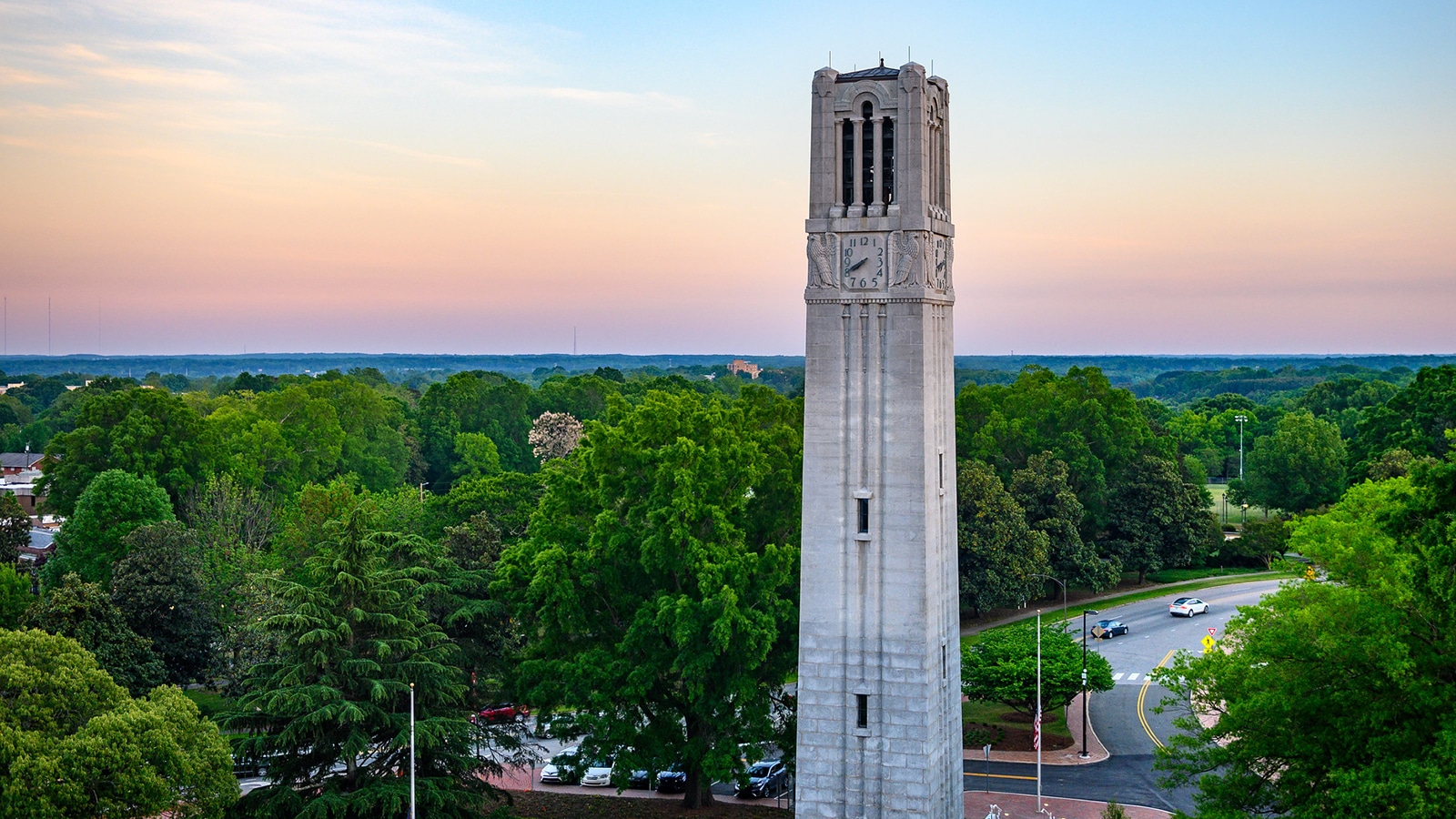
Seeking direction, McConnell was encouraged by a friend to pursue a master’s degree in operations research at North Carolina State University (NC State). Having previously earned a bachelor’s degree in the same field and driven by a desire to challenge himself, he opted to pursue a Ph.D. instead. “I did the Ph.D. for a challenge,” he explained, noting that it was his way of navigating an uncertain future.
A New Academic Role
McConnell transitioned to academia after completing his Ph.D. in operations research in 2018. He joined the Edward P. Fitts Department of Industrial and Systems Engineering that same year and was promoted to associate research professor in 2024. Operations research, which integrates mathematics, statistics, engineering, and economics, plays a crucial role in analyzing complex problems and developing efficient solutions.
In the military context, operations research is particularly beneficial due to the varied missions and extensive personnel structure. Many active-duty members opt for NC State’s program to enhance their careers while contributing to mission success. McConnell credits professors Thom Hodgson and Russell King for fostering an inclusive environment for military-affiliated students, recognizing the unique experiences of veterans transitioning to civilian education.
Supporting Military Students
As the military and veteran liaison for the College of Engineering, McConnell actively cultivates a supportive atmosphere for current military and veteran students. He emphasizes the importance of teamwork and camaraderie, qualities that resonate with the students he mentors. For many service members, NC State serves as a stepping stone to academic careers, with junior officers often hired as faculty members at service academies after completing their graduate programs.
Michael Scioletti, head of West Point’s Department of Mathematical Sciences, acknowledged McConnell’s collaborative nature, noting that he builds relationships that facilitate student success. “With him, everything is relationship-based,” Scioletti said.
Unique Challenges for Military Students
Military students face distinct challenges compared to traditional students, often returning to education after years of service and dealing with family responsibilities. The transition to civilian life can be difficult as the community dynamics differ significantly. Moreover, many military students must balance their academic pursuits with ongoing military commitments.
Matthew Gleason, who began his master’s in operations research at NC State in 2024, experienced apprehensions about returning to school after several years. However, he and his wife were encouraged by the faculty’s investment in their success. After welcoming their baby daughter during their first semester, they found the professors supportive, offering flexibility while maintaining high academic expectations.
Building a Community of Support
Camryn Kubitz, who is pursuing a Ph.D. in operations research at NC State after earning degrees from the U.S. Air Force Academy and the Air Force Institute of Technology, appreciates the unique camaraderie within the Military Operations Research Group. This community, comprising active-duty and veteran students along with faculty advisors, fosters collaboration on research projects and presentations.
Kubitz highlighted the unparalleled experience at NC State, where military students work together toward their educational goals, a rarity in civilian institutions. The support from peers who share similar timelines and pressures enhances the educational experience.
Mentorship and Leadership
Blake Warnock, another student at NC State, looks forward to returning to West Point as a faculty member after completing her master’s degree. She cherishes the support she received during her studies and aims to provide similar guidance to future cadets. Her intention is to emulate the mentors who positively influenced her academic journey.
McConnell finds fulfillment in mentoring students, guiding them through complex problems while helping them grow personally and professionally. He emphasizes that the essence of any mission lies in valuing people over mere academic achievements. “People matter,” he asserted, underscoring that their success is what truly impacts the world.
The perspectives shared in this article represent the views of the individuals involved and do not reflect the official stance of the Department of the Air Force, Department of the Army, Department of War, or the U.S. government.
Source: NC State University