NCCU Secures Funding for Research Advancement
North Carolina Central University (NCCU) has received a $4.9 million grant from the U.S. Department of Education’s Research and Development Infrastructure Grant Program. This funding will enhance the university’s research capabilities, create new opportunities for students, and prepare graduates for careers in fields such as biotechnology, biomanufacturing, and artificial intelligence.
Project Aims for R2 Research Status
The four-year project, titled “NCCU R2-READY: Strengthening Research Infrastructure and Talent Pathways for Sustainable R2 Growth,” aims to expedite the institution’s journey toward achieving Carnegie Research 2 (R2) classification. R2 institutions are recognized for conducting significant research and awarding at least 20 doctoral degrees in research annually.
Deepak Kumar, Ph.D., who is the principal investigator and a professor in the pharmaceutical sciences department, emphasized that the “NCCU R2-READY” initiative will enhance the university’s infrastructure, faculty capabilities, and the pathways for students to advance in their research careers. Kumar noted that these investments are critical for faculty to create competitive research programs, engage students at all academic levels, and ultimately, secure NCCU’s growth and impact in the research community.
Leadership and Focus Areas of the Initiative
Co-principal investigators for the project include Jim C. Harper II, Ph.D., interim associate provost and dean of the School of Graduate Studies, along with Kevin Williams, Ph.D., director of the Biomanufacturing Research Institute and Technology Enterprise, as well as the Julius L. Chambers Biomedical/Biotechnology Research Institute.
The grant is directed toward three primary objectives:
- Modernizing research systems and facilities: NCCU plans to enhance shared resources, technology, data management systems, and administrative processes to facilitate advanced research efforts by faculty and students.
- Supporting faculty development: Faculty members will have access to training, mentoring, and initial funding to foster innovative ideas, cultivate research teams, and pursue larger grant opportunities.
- Enhancing the student-to-scholar pathway: Students at the undergraduate, master’s, and doctoral levels will gain practical research experience, financial assistance, mentorship, and career-focused training.
Funding Allocation and Student Opportunities
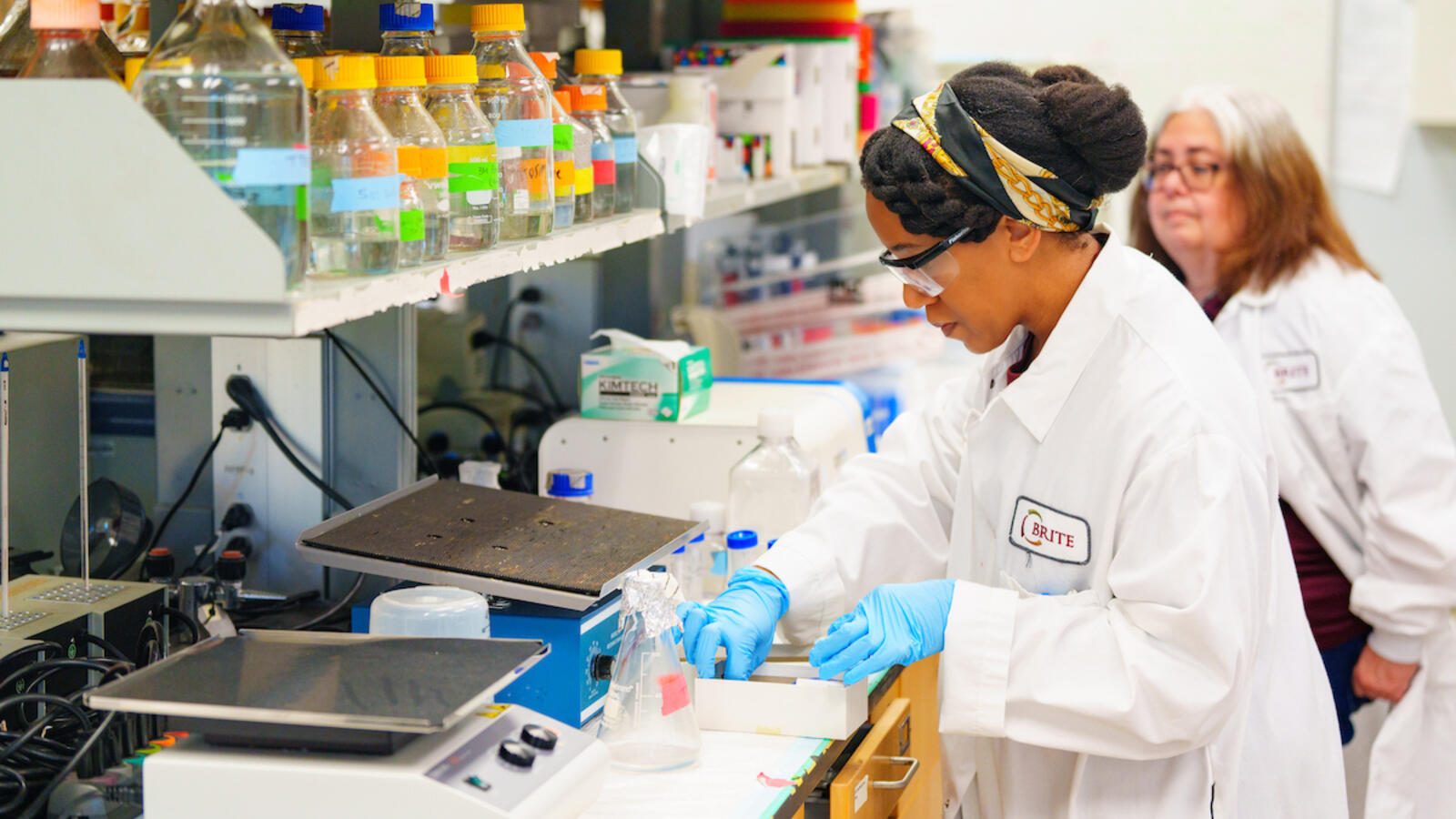
The grant allocates $360,000 specifically for stipends for doctoral candidates, along with $240,000 for assistantships designated for undergraduate and master’s students. Each year, the initiative is projected to support three doctoral fellows, about three master’s students, and six to eight undergraduate researchers.
Participants will acquire skills in research methodologies, laboratory practices, data analysis, ethical AI usage, and scientific communication. They will also have the opportunity to network with mentors from academia, government, and industry, aiding their transition from studies to graduate education and employment in high-demand sectors.
Broader Goals and Impact
Kuldeep Rawat, Ph.D., vice chancellor for transformative partnership and economic development, remarked that this funding propels NCCU closer to its R2 goal while showcasing the strength of its faculty. He highlighted that investing in infrastructure and expanding opportunities for faculty and students promotes research excellence and prepares future scientists and innovators. Additionally, this initiative aims to strengthen industry partnerships and translate research efforts into economic and social gains for North Carolina.
NCCU already surpasses the expenditure level necessary for R2 status, and this grant is expected to bolster both doctoral enrollment and graduation rates. Currently, the university offers a Ph.D. in integrated biosciences and an Ed.D. in counseling, counselor education, and supervision. The initiative aligns with the R2 objectives set forth in NCCU’s strategic plan, “Soaring to New Heights: Vision 2030,” while fostering connections with sectors in biotechnology, pharmaceuticals, advanced manufacturing, and technology within the Durham area and Research Triangle Park.
Source: North Carolina Central University