Nasa is set to send a series of groundbreaking experiments to the International Space Station (ISS) as part of Northrop Grumman’s 25th Commercial Resupply Services mission. These investigations, conducted by Nasa’s Biological and Physical Sciences Division, aim to enhance agricultural practices in space and improve human health, providing insights that could benefit life on Earth and future space exploration.
Innovative Crop Production in Space
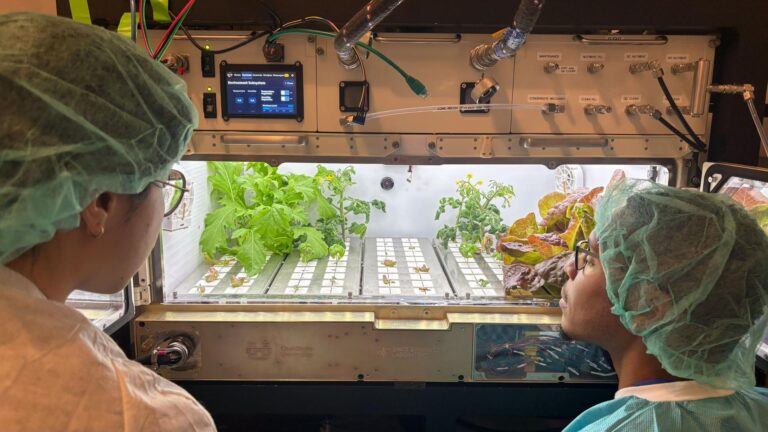
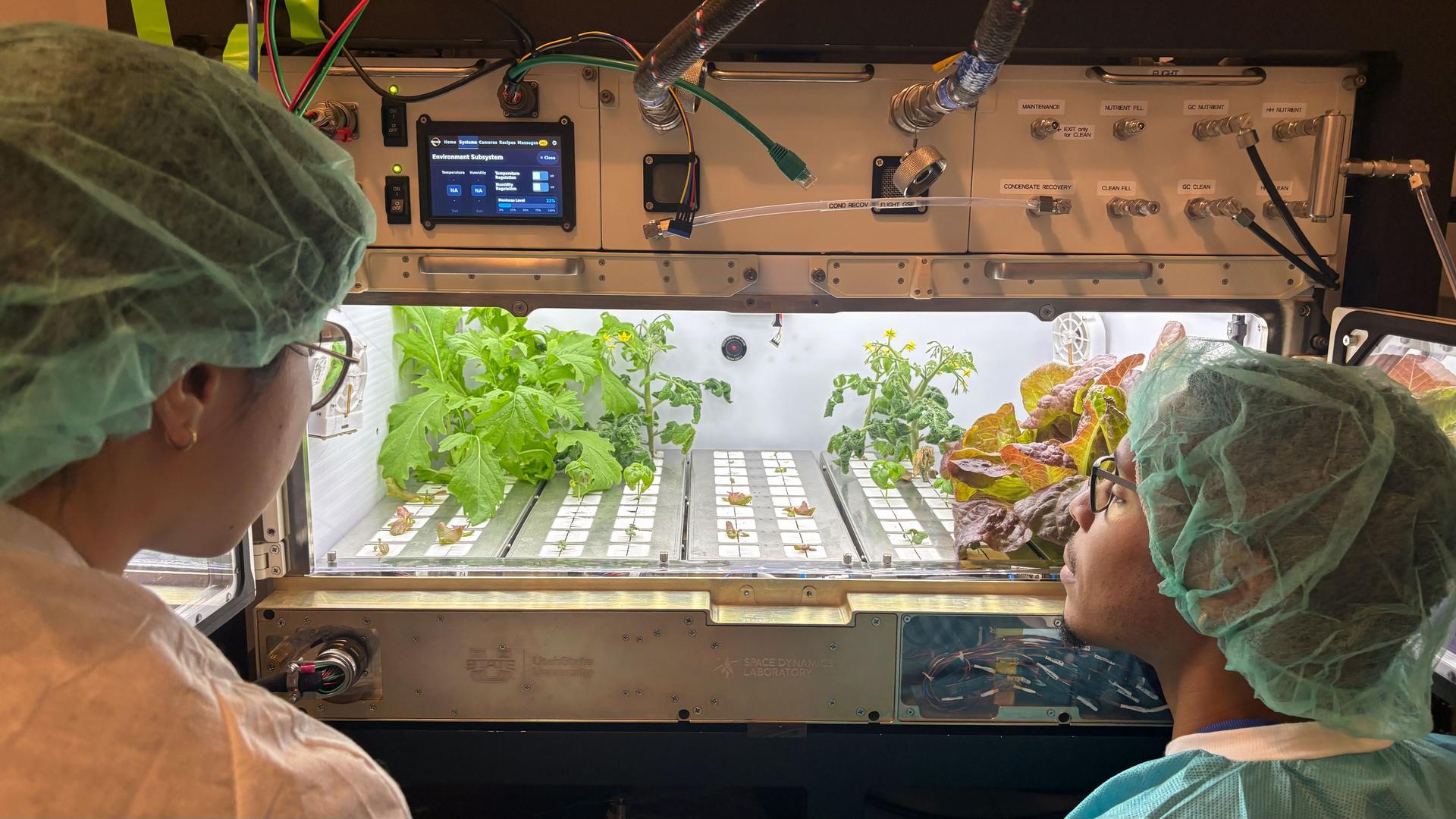
As human space missions aim for extended durations and greater distances, sustainable food sources become crucial. To explore crop production in microgravity, Nasa is introducing the Ohalo III, a novel growth chamber specifically designed for space. This new prototype will facilitate research into developing safe and nutritious crop production methods for potential habitats on the Moon and Mars. Additionally, the knowledge gained from this system could influence agricultural techniques on Earth, such as vertical farming and indoor cultivation.
The Ohalo III chamber will focus on validating technology for optimizing water delivery and volume, essential for successful crop growth in space environments.
Advancements in Neurological Research
Another aspect of Nasa’s research involves a precision health investigation that builds upon earlier studies involving lab-grown models of the human brain, known as miBrains. This new experiment aims to validate a specialized fluid-handling system that will manage the nutrient-rich liquid necessary for sustaining these brain tissues in the ISS environment.
The outcomes of this investigation could help researchers identify neurological risks associated with space travel and develop protective strategies for astronauts. Furthermore, the findings may contribute to advancements in human tissue research and the modeling of neurological diseases on Earth.
Commitment to Scientific Discovery
Nasa’s Biological and Physical Sciences Division is at the forefront of scientific innovation, utilizing the unique conditions of space to conduct experiments unattainable on Earth. By exploring biological and physical phenomena under extreme conditions, the division aims to enhance the fundamental scientific understanding needed for deeper space exploration, while also providing benefits for life on our planet.
Source: NASA