As NASA gears up for upcoming missions to the Moon and Mars, researchers are investigating agricultural options that could supply astronauts with fresh food and essential nutrients during their journeys through space. This initiative is particularly relevant as the nation reflects on the importance of food and sustenance during the Thanksgiving season.
Potential Crops for Deep Space Exploration
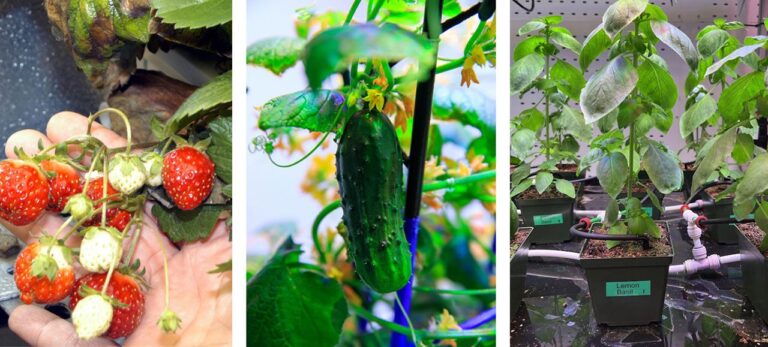
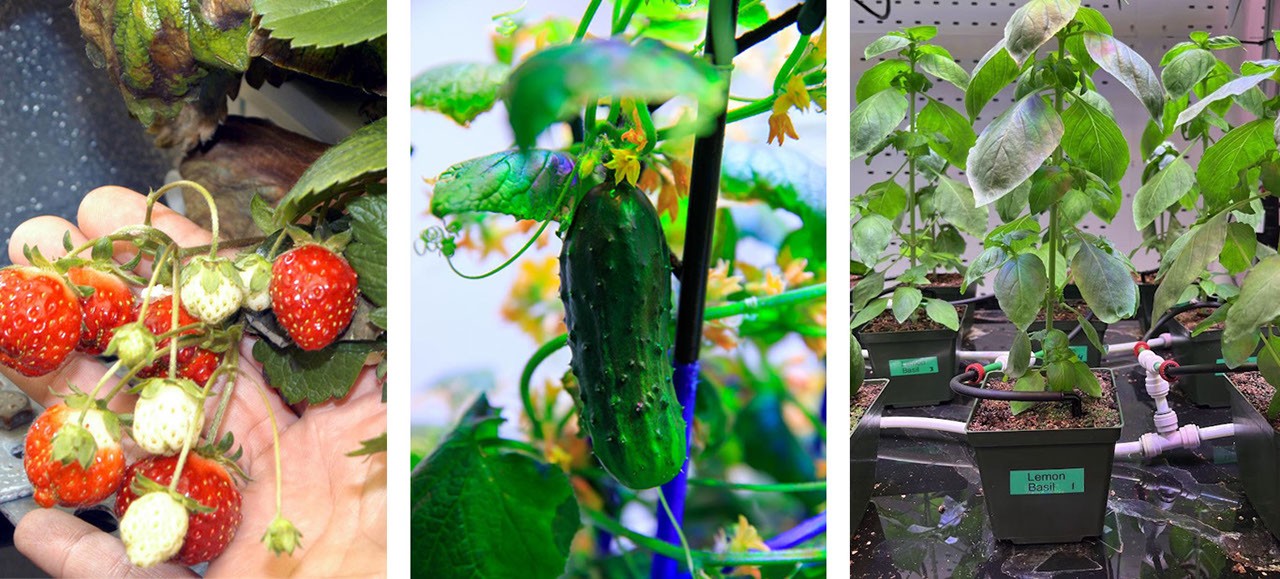
Studies indicate that strawberries, cucumbers, and lemon basil may be suitable candidates for cultivation in space environments. These crops possess the ability to absorb carbon dioxide, generate oxygen, and recycle water, all of which will be vital as missions venture further from Earth.
In addition to research being conducted on Earth, NASA is expanding its capabilities in space. A forthcoming project from NASA’s Biological and Physical Sciences Division is set to launch to the International Space Station, featuring a unique prototype growth chamber. This chamber aims to provide critical information for developing farming systems intended for future lunar bases and Mars missions.
Strawberries: A Sweet Option for Space
Among the fruits being considered for space travel, strawberries stand out as a nutritious and aromatic choice. Researchers at NASA’s Kennedy Space Center in Florida are cultivating strawberries in simulated flight conditions to assess their viability as a space crop. Collaborators from The Australian Research Council Centre for Excellence in Plants for Space are also contributing to this research.
Recent experiments compared a wild strawberry variant with NASA’s favored cultivar, ‘Delizz,’ under conditions mimicking space. Findings published in the journal Life Sciences in Space Research indicated that while Delizz produced larger, visually appealing red fruit, the wild strawberry yielded more buds and flowers. However, the wild strawberry’s tendency to grow extensive runners, which would occupy limited space on a spacecraft, led to NASA’s preference for Delizz.
Cucumbers: A New Frontier
While various crops have been cultivated in space, none from the gourd family have yet made the journey. Cucumbers may become the first. Before cucumbers can be included in an astronaut’s diet, they require thorough testing. Recent evaluations funded by NASA showed that cucumbers adapted well to simulated space conditions, producing a consistent supply of edible fruit, as reported in the journal HortScience.
Incorporating diverse crops like cucumbers not only enhances the nutritional variety for astronauts but also boosts plant biodiversity, increasing the likelihood of successful crop growth during extended missions.
Enhancing Meals with Lemon Basil
Herbs play a crucial role in improving the culinary experience in space, and lemon basil is currently being tested at NASA Kennedy. This herb, known for its citrus aroma and flavor, has successfully passed initial testing phases, including seed sanitization to eliminate microorganisms prior to launch.
As lemon basil progresses, researchers will evaluate its growth in specialized plant pillows designed for space habitats. Fresh herbs like lemon basil can alleviate menu fatigue among astronauts, transforming routine meals into more enjoyable dining experiences, thereby supporting overall health and performance in space.
Advancements in Space Research
NASA’s Biological and Physical Sciences Division is at the forefront of scientific exploration, leveraging the unique conditions of space to conduct studies that are not feasible on Earth. Understanding biological and physical processes in extreme environments is essential for extending human presence in space and can also yield benefits for life on our home planet.
Source: NASA