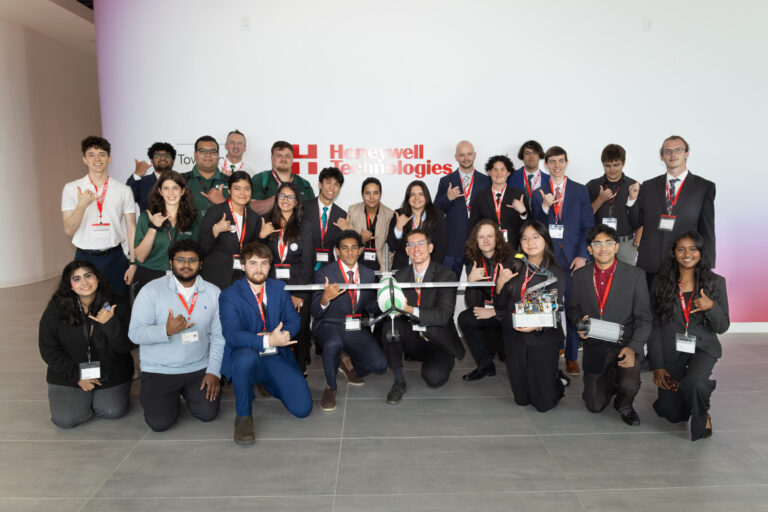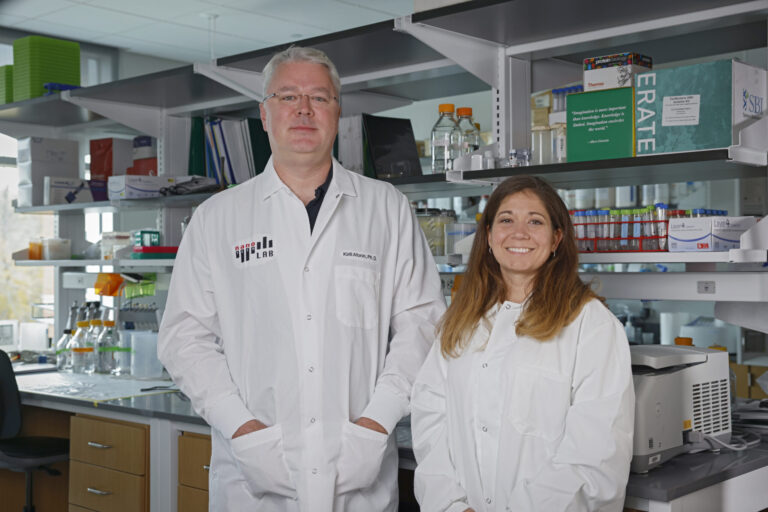
Tim Michaelis, an alumnus with three degrees from North Carolina State University, founded the Health in Entrepreneurship Research Forum (HERF) in 2022. The initiative aims to explore the distinct mental and physical health challenges faced by business owners while facilitating the sharing of insights and resources among participants.
Since its inception, HERF has cultivated a global network of over 250 scholars from more than 70 universities. The forum recently held its latest conference at the Paris School of Business, where around 80 academics, practitioners, policymakers, and doctoral candidates from 13 countries and 25 universities gathered to exchange research findings on topics related to entrepreneurship, psychology, management, health sciences, and public health.
Addressing Entrepreneurial Challenges
The entrepreneurial journey is often fraught with obstacles, including a lack of formal guidelines, extensive legal documentation, and unpredictable workloads. Consequently, maintaining a healthy work-life balance can become a secondary concern for many entrepreneurs. Michaelis, who serves as an assistant professor in the Department of Psychology at NC State, emphasizes the importance of addressing these issues through his research and the forum’s activities.
“Entrepreneurs and self-employed individuals often experience distinctive challenges — including stress, burnout and difficult decisions about the balance between work and health,” Michaelis stated. He noted that the forum provides a platform for researchers to investigate the relationship between entrepreneurial health and business performance.
From Personal Experience to Research
Originally hailing from Greensboro, North Carolina, Michaelis completed his undergraduate studies in political science, followed by a master’s in innovation management and a Ph.D. in applied social psychology at NC State. His academic journey led him to launch a company called Data Decision Models, which offers strategic business advice and technology commercialization services. This entrepreneurial experience informed his understanding of the struggles faced by business owners.
Michaelis noted the isolating nature of entrepreneurship, where individuals often face long hours and financial uncertainty with little support. After earning his doctorate in 2017, he began teaching at Northern Illinois University while simultaneously researching the challenges entrepreneurs encounter in securing health insurance. This research highlighted a gap in the academic community, motivating him to create a collaborative environment for scholars interested in the intersection of health and entrepreneurship.
Growth and Support for HERF
The HERF concept evolved into a conference with the help of various faculty members and financial contributions, including an initial $20,000 raised to support its first year. Notable supporters included Maija Renko from Aalto University in Finland and Jon Carr from NC State’s Poole College of Management, both of whom recognized the significance of the research area.
Michaelis remarked on how he unintentionally became the driving force behind HERF, noting that it stemmed from his own frustrations regarding the lack of a community focused on health in entrepreneurship. The forum received additional support from the Ewing Marion Kauffman Foundation, which contributed $20,000 to assist with organizing subsequent conferences.
Returning to NC State
Michaelis continued his academic and research work at Northern Illinois University until 2025, while his wife, Allison, also taught there. However, both decided to return to NC State, where they began their academic and personal lives together.
In his current role within the College of Humanities and Social Sciences, Michaelis has primarily focused on research related to entrepreneurial health, resourcefulness, motivation, persistence, and strategic decision-making. His overarching goal is to enhance the survival rates of startups and corporate spin-offs.
Reflecting on his return to NC State, Michaelis expressed appreciation for the university’s environment, stating, “The thing I like about NC State is that the students aren’t just here to get a piece of paper. There’s some actual curiosity, and I think there’s something about being a land-grant institution that attracts people who want to do something real and to create impact within the community.”
Source: NC State University