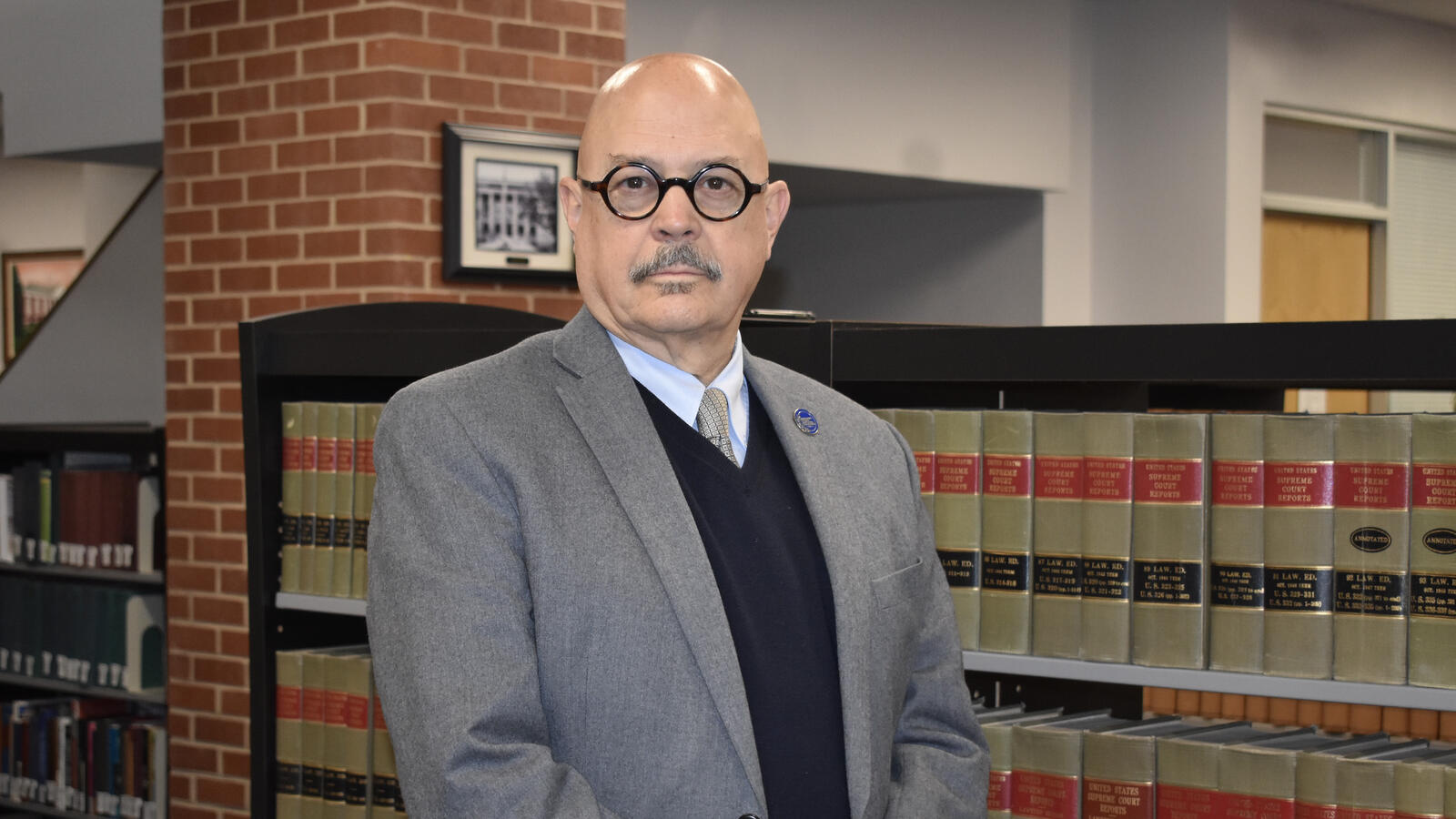
NCCU Professor Joins Dispute Resolution Commission
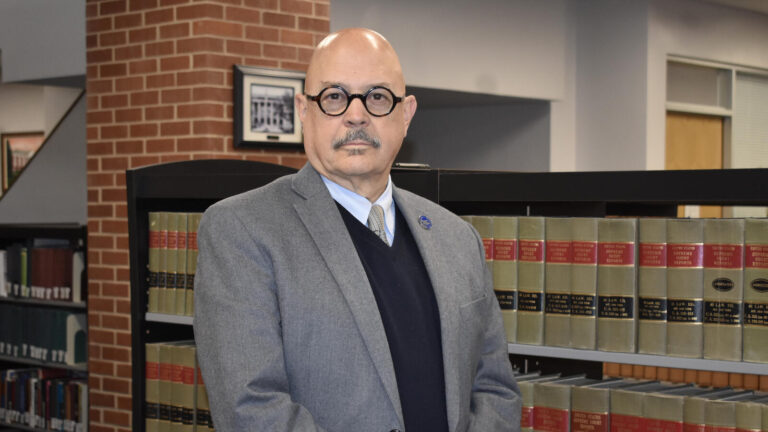
Richard Igou, a professor at North Carolina Central University (NCCU) School of Law, has been appointed to the North Carolina Dispute Resolution Commission by Chief Justice Paul Newby of the North Carolina Supreme Court. This appointment fills the remainder of the term left vacant by Commissioner Robin Stinson, who has transitioned to a role as a special superior court judge. Igou’s term is set to last until September 30, 2027, with the potential for reappointment.
Role of the Commission
The North Carolina Dispute Resolution Commission, established in 1995, consists of 18 members tasked with certifying and regulating private mediators in the state’s court system. The commission is also responsible for recommending policies and rules related to dispute resolution, supporting programs for mediation within courts, and certifying training programs in mediation.
Igou’s Experience and Contributions
With over 35 years in the mediation field and more than 20 years as a certified mediator with the commission, Igou brings significant expertise to his new position. His legal practice and teaching focus on mediation, arbitration, and alternative dispute resolution (ADR). In addition to his professorship, he serves as the interim director of the Dispute Resolution Institute at NCCU.
In his new role, Igou will participate in three specific committees within the commission: the Grievance Committee, the Ad Hoc Green Book Committee, and the Ad Hoc Law Student ADR Committee. He previously served for two years as an ex-officio member of the commission, representing the Dispute Resolution Section of the North Carolina Bar Association.
Enhancing Student Opportunities
Igou expressed enthusiasm about his appointment, stating he looks forward to contributing his insights on dispute resolution within North Carolina’s judicial system. He emphasized the role this position could play in fostering connections between law students and the broader ADR community, particularly those interested in careers in this area.
He noted, “I believe that our students – especially those who plan to practice ADR in North Carolina – will benefit from the relationship that my membership on the Commission will bring.” This dual role as both a commissioner and interim director is expected to enhance the commission’s understanding of the perspectives of future ADR practitioners.
Composition of the Commission
The Dispute Resolution Commission is comprised of judges, attorneys, certified mediators, court administrators, and public representatives, all hailing from various regions of North Carolina. Members serve three-year terms, with appointments made by leaders across the state’s judicial, executive, and legislative branches, in addition to the North Carolina State Bar.
Source: North Carolina Central University