UNCW Students Contribute to Veterans Memorial Reef Stability
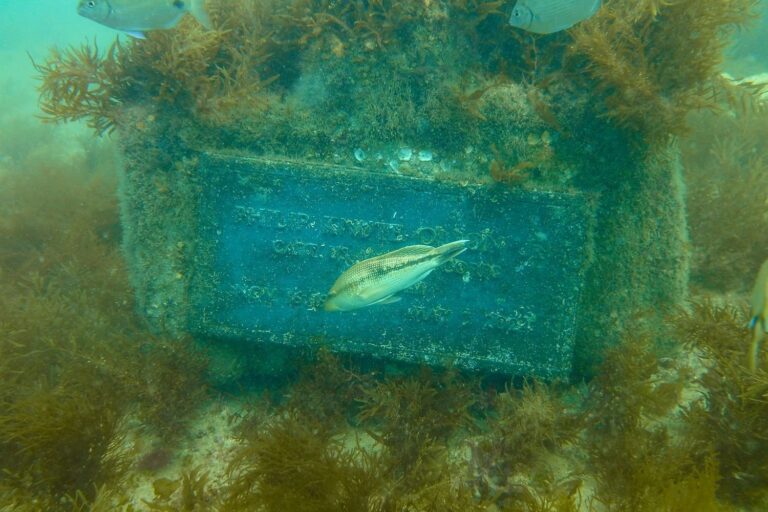
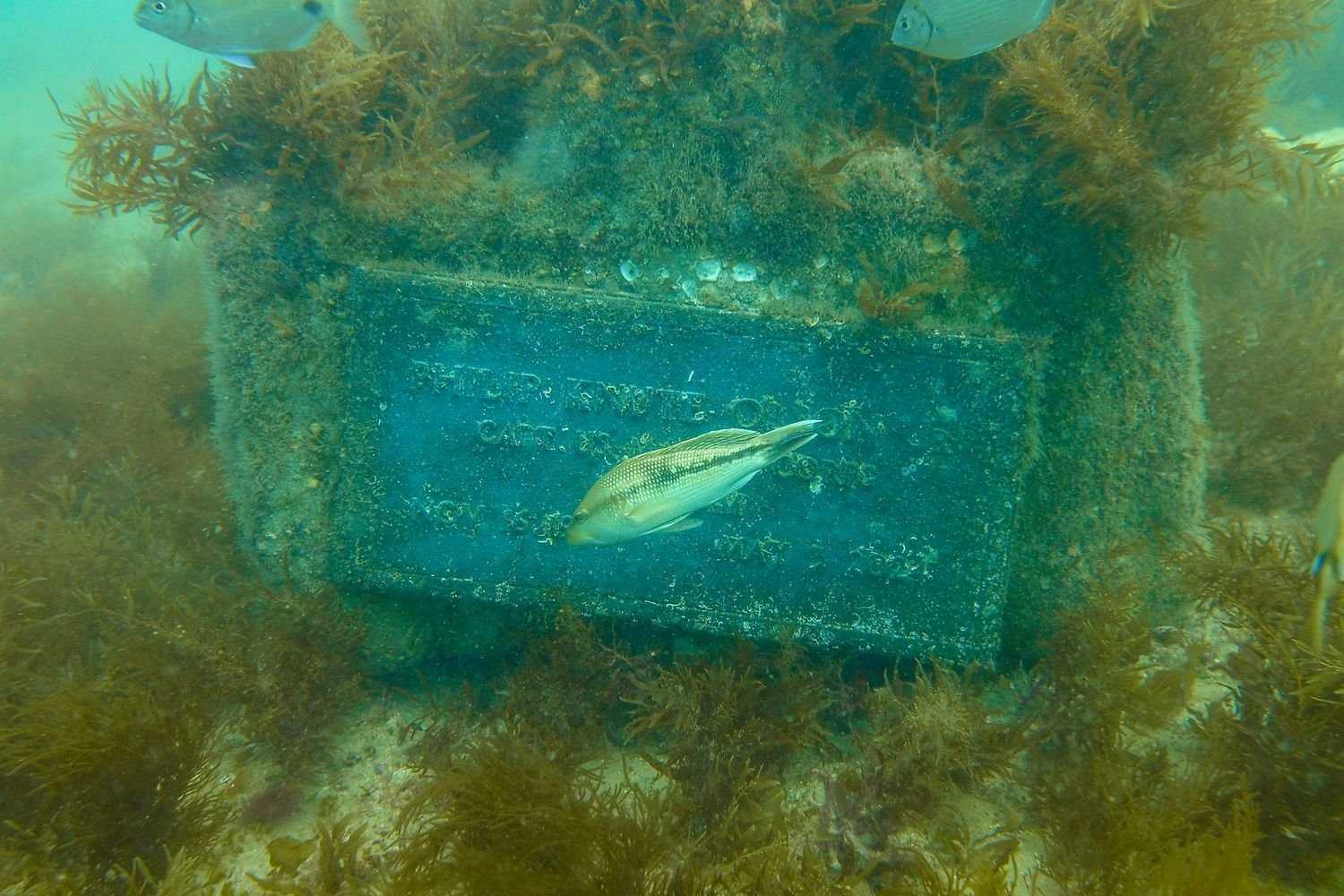
Coastal engineering students from the University of North Carolina Wilmington (UNCW) are playing a crucial role in ensuring the long-term stability of the Veterans Memorial Reef, an underwater tribute to veterans located approximately five miles off Wrightsville Beach. As part of their senior capstone project, these students are addressing the challenges posed by oceanic forces on this unique marine habitat.
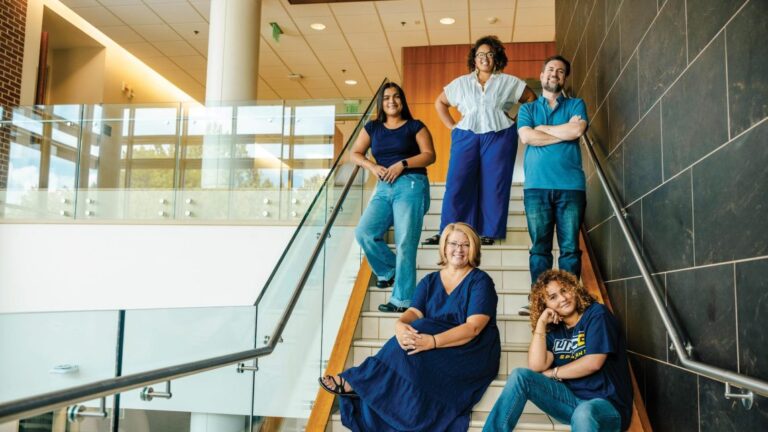
The Veterans Memorial Reef serves as both a final resting place for veterans and a thriving ecosystem. With an average depth of around 50 feet, the underwater site presents significant challenges for research, as direct access is limited. The student team, consisting of Skylar Hinnant, Stephanie Spranger, Lucy Patterson, and August Taber, chose this project for its blend of community impact and intricate engineering considerations.
Research Methodology and Challenges
According to Greg Williams, an assistant professor in coastal engineering, the reef requires meticulous planning and ongoing monitoring to ensure its stability and effectiveness as a memorial. The team was tasked with exploring various configurations of the reef structures to ascertain their stability over time. To tackle this, they utilized a wave flume, a key research tool that enables the simulation of ocean wave conditions in a controlled laboratory setting.
Leveraging over a decade of wave data from the area near the reef, the students recreated scaled-down versions of potential storm conditions. This meticulous modeling process involved generating wave conditions reflective of historical extreme weather events and observing how the miniature reef models reacted. Throughout the experiments, the students gathered extensive data on wave heights, velocities, and the behavior of the reef structures, documenting their findings through multiple camera angles.
Insights and Future Implications
Hinnant emphasized the importance of ensuring the reef remains stable to develop into a vibrant ecosystem. “Understanding wave-induced velocities at the project site will help determine the placement, design dimensions and anchoring of the reefs,” he noted. However, the project was not without its hurdles. Accurately replicating the unique designs of the memorial units and simulating the offshore conditions of the reef proved challenging within the confines of a laboratory tank.
Spranger described the experience as one filled with trial and error, where the team had to continuously adapt their approach to overcome obstacles. “It gave us a much greater appreciation for the technical challenges involved in both physical and numerical modeling,” she said. By identifying configurations that can better withstand extreme conditions, the students’ work lays the groundwork for future installations that enhance the reef’s resilience.
Building a Lasting Legacy
Williams noted that the students’ research not only supports ongoing efforts at the reef but also sets a precedent for future work in coastal engineering. “Their work pays it forward to another group of students while also honoring veterans,” he stated. Vivian Yuditsky, media coordinator for Veterans Memorial Reef, echoed this sentiment, highlighting the collaborative relationship with UNCW as a powerful example of education, research, and community service intersecting to create lasting impacts.
“Together, we are helping ensure that their legacy of service continues long into the future,” Yuditsky remarked. For students like Hinnant and Spranger, the project has broadened their perspective on the potential of coastal engineering, with Hinnant expressing a desire to engage in similar community-benefitting projects in his future career.
Source: UNC Wilmington