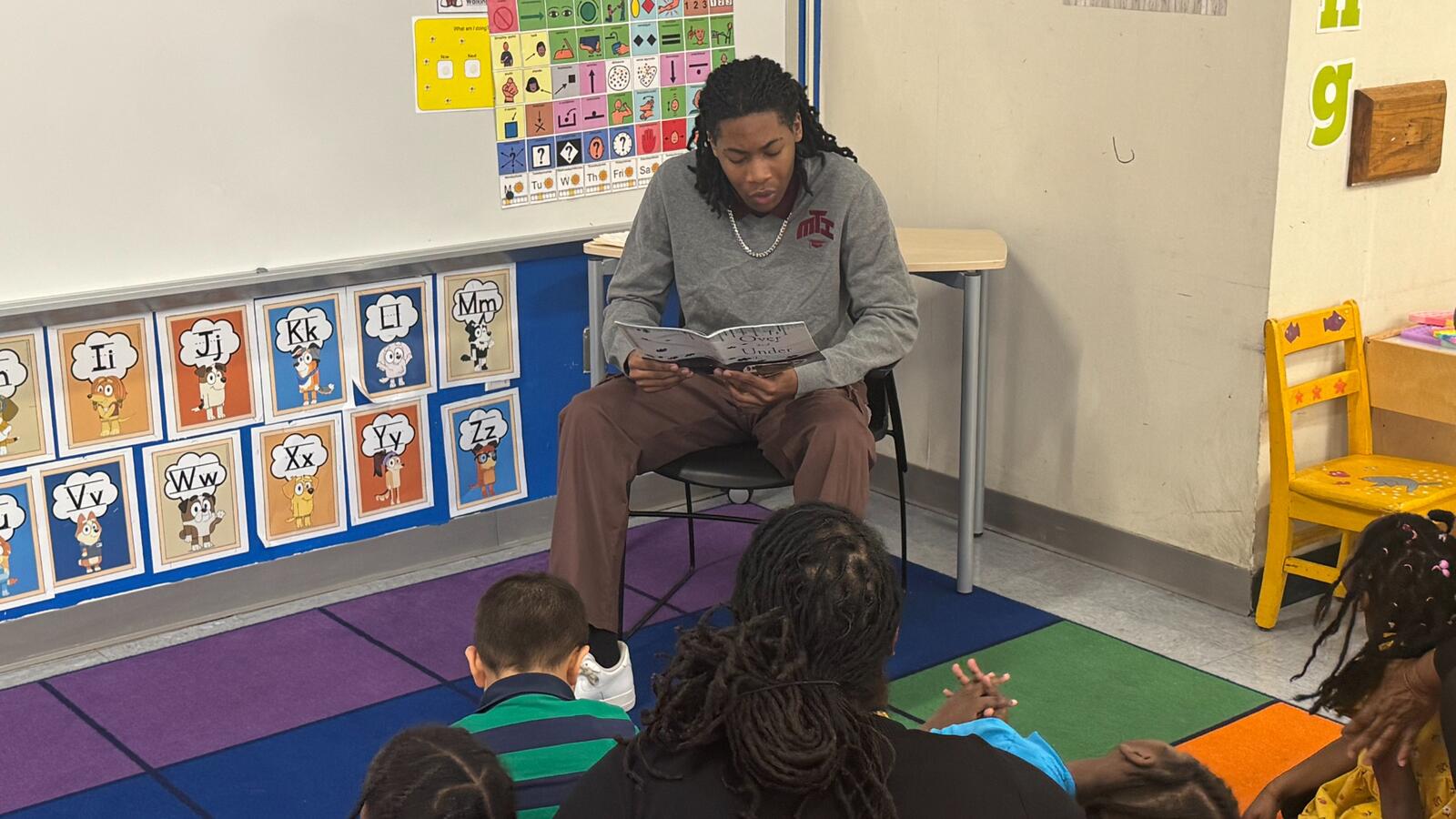
NCCU Earns High Marks for Elementary Education Program
The undergraduate Elementary Education program at North Carolina Central University (NCCU) has received an A+ rating from the National Council on Teacher Quality (NCTQ) for its effectiveness in preparing future educators to teach reading to young students. This accolade highlights the program’s commitment to equipping teachers with the necessary skills and knowledge to enhance literacy among elementary pupils.
Recognized for Effective Reading Instruction
According to the NCTQ’s report, “Teacher Prep Review: Decoding Progress in Reading Preparation,” published on June 9, 2026, NCCU has been recognized for meeting the rigorous standards established by literacy experts. The program effectively covers the five essential components of scientifically based reading instruction: phonemic awareness, phonics, fluency, comprehension, and vocabulary. Moreover, it avoids teaching methods that research indicates are ineffective or detrimental to reading development.
The ability to read proficiently at an early age is crucial for academic success and overall life outcomes. Recent data from the 2024 National Assessment of Educational Progress revealed that 42% of North Carolina fourth graders in public schools scored below the NAEP Basic level in reading. Improving teacher preparation aligned with research-based instructional methods is seen as a vital strategy to address this challenge.
Commitment to Research-Based Instruction
NCCU is part of a growing movement among teacher preparation programs across the nation aimed at reforming how future educators are trained in reading instruction. Dr. Yolanda L. Dunston, a professor of Curriculum and Instruction specializing in literacy education, emphasized the importance of making the science of reading more explicit in both coursework and practical applications. She noted that this approach ensures future teachers can effectively apply their understanding of reading development in instructional and assessment contexts.
Heather Peske, president of NCTQ, pointed out that while many teacher preparation programs do not fully align with the science of reading, NCCU serves as a model for what effective training can achieve. Additionally, Dr. Jeffrey M. Warren, interim dean of the School of Education, highlighted the faculty’s dedication to enhancing course design based on the latest literacy instruction research.
For further details on NCCU’s recognition in the field of reading preparation and comparisons with other programs both in North Carolina and nationally, the NCTQ report provides a comprehensive overview.
Source: North Carolina Central University