Seasonal Changes Observed in Cyprus
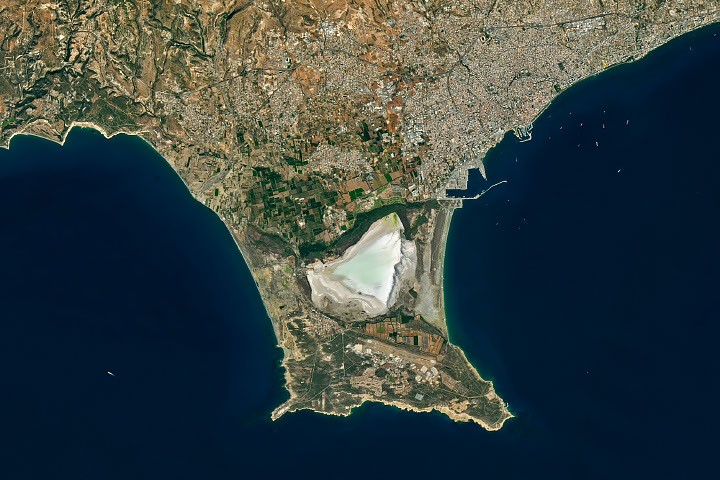
NASA’s Landsat 8 satellite captured images of Cyprus’s Akrotiri Peninsula on October 10, 2026, revealing seasonal rains that have begun to replenish Akrotiri Salt Lake. This coastal lagoon, once part of the Mediterranean Sea, is located between two landforms known as tombolos, which were created through sediment deposits over thousands of years.
Geological History of Cyprus
The island of Cyprus has a rich geological history, originating approximately 90 million years ago during the Late Cretaceous period. It was formed as molten rock erupted from the ocean floor, solidifying into new crust. Tectonic activity later lifted portions of this oceanic rock, creating a rugged landscape characterized by ophiolite formations, which are known for their distinctive green appearance. The Troodos Mountains contain remnants of this ancient geological activity.
In the Miocene epoch, additional layers of marine sedimentary rocks accumulated around the island, leading to the development of a second, smaller island to the south. Sediments from rivers eventually contributed to the formation of two tombolos that now connect the Akrotiri Peninsula to the mainland.
Flamingos and Their Declining Population
The water levels in Akrotiri Salt Lake fluctuate seasonally, filling during late autumn and winter and receding in summer. Historically, this lake has been a wintering habitat for large numbers of flamingos, which have been known to average around 4,000 birds. However, recent reports indicate a significant decline in this population, with only 30 flamingos recorded in 2025. These birds are attracted to the lake to feed on fairy shrimp, which contain carotenoids that contribute to their vibrant pink coloration.
The Snake Population and Its Historical Context
Cyprus has long been associated with snakes, earning the ancient name Ophiousa, meaning “land of snakes.” This reputation is largely due to the presence of blunt-nosed vipers. According to legend, during a drought in the fourth century, Roman Empress Helena ordered cats to be imported from Egypt to control the snake population. The southeastern part of the Akrotiri Peninsula, known as Cape Gata or Cape Cat, became the initial release site for these felines. Today, this area is home to the Holy Monastery of St. Nicholas of the Cats, where nuns care for hundreds of cats, reflecting the island’s unique relationship with these animals.
Current Cat Population and Cultural Significance
Cyprus has a cat population that rivals its human residents, with estimates exceeding one million felines. The nuns at the monastery continue to maintain the tradition of caring for these cats, which play a significant role in the island’s ecology and cultural landscape.
Source: NASA