North Carolina’s Spider Diversity Explored
Spiders have garnered a mixed reputation, from the notorious black widow to the elusive brown recluse. However, regardless of whether one fears these creatures or collects tarantulas, spiders are an integral part of North Carolina’s ecosystem. The state boasts over 1,000 spider species across more than 50 families, thriving in various environments such as forests, fields, coastal areas, gardens, and residential buildings.
A new publication titled “Spiders of North Carolina” from NC State Extension presents intriguing insights into these eight-legged inhabitants. According to Matt Bertone, an Extension associate with the Department of Entomology and Plant Pathology, spiders play a critical role in controlling pest populations, including mosquitoes, wasps, cockroaches, and flies. They are not typically aggressive towards humans, with bites occurring mainly in self-defense or when trapped against skin. Bertone emphasizes that these creatures are largely harmless, contributing positively to ecosystems and agriculture.
Notable Spider Species in the State
The publication highlights several species commonly found in North Carolina, providing details about their habitats, diets, and behaviors.
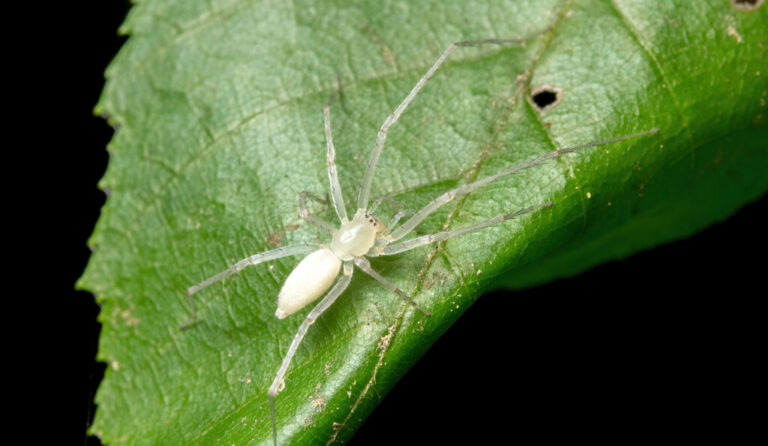
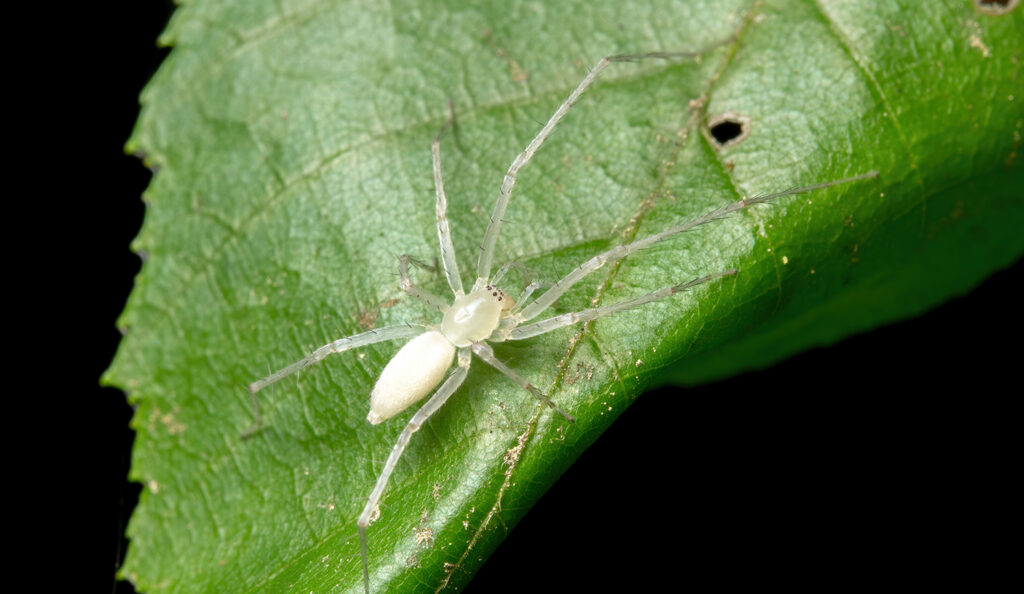
One of the featured species is the ghost spider (Wulfila albens), part of the Anyphaenidae family. These small to medium-sized spiders are primarily nocturnal hunters, residing under dead leaves and bark, and occasionally in homes. Unlike many spiders, ghost spiders do not construct traditional webs but utilize silk for egg sacs and retreats.
Another notable species is the golden silk spider (Trichonephila clavipes), also known as the banana spider. This spider, often spotted near the coast, is recognized for its impressive web-building skills. A related species, the Jorō spider (T. clavata), native to East Asia, has recently been observed in North Carolina after its initial documentation in Georgia in 2014. Both species are generally harmless to humans.
Unique Hunting Techniques
Jumping spiders, from the Salticidae family, are prevalent throughout the state. These spiders are diverse in coloration and display fascinating behaviors such as mimicking other insects and performing courtship dances. Unlike many of their counterparts, they do not spin webs for hunting but instead ambush prey by jumping.
The ogrefaced spider (Deinopis spinosa) is another unique species characterized by its large eyes, which assist in nighttime hunting. These spiders create small net-like webs to capture their prey while camouflaging themselves as twigs.
Spitting spiders (Scytodes thoracica) are known for their unusual method of capturing prey by ejecting strands of venomous silk. This unique behavior sets them apart from other spider species, and they can be found both indoors and outdoors in North Carolina.
Finally, wolf spiders (family Lycosidae) are notable for their efficient hunting skills and good eyesight. Commonly found in various habitats, these spiders do not build webs but instead stalk or ambush their prey. Female wolf spiders are especially distinctive as they carry their egg sacs and young on their backs.
Appreciating Spiders’ Role in Ecosystems
The diversity of spider species in North Carolina contributes significantly to the ecological balance, making them valuable allies in pest control. The publication from NC State Extension aims to enhance public understanding and appreciation of these creatures, encouraging a shift in perception from fear to admiration. As Bertone states, the spiders of North Carolina are more deserving of awe than apprehension.
Source: NC State University