NASA Explores Options for Hubble Space Telescope Servicing
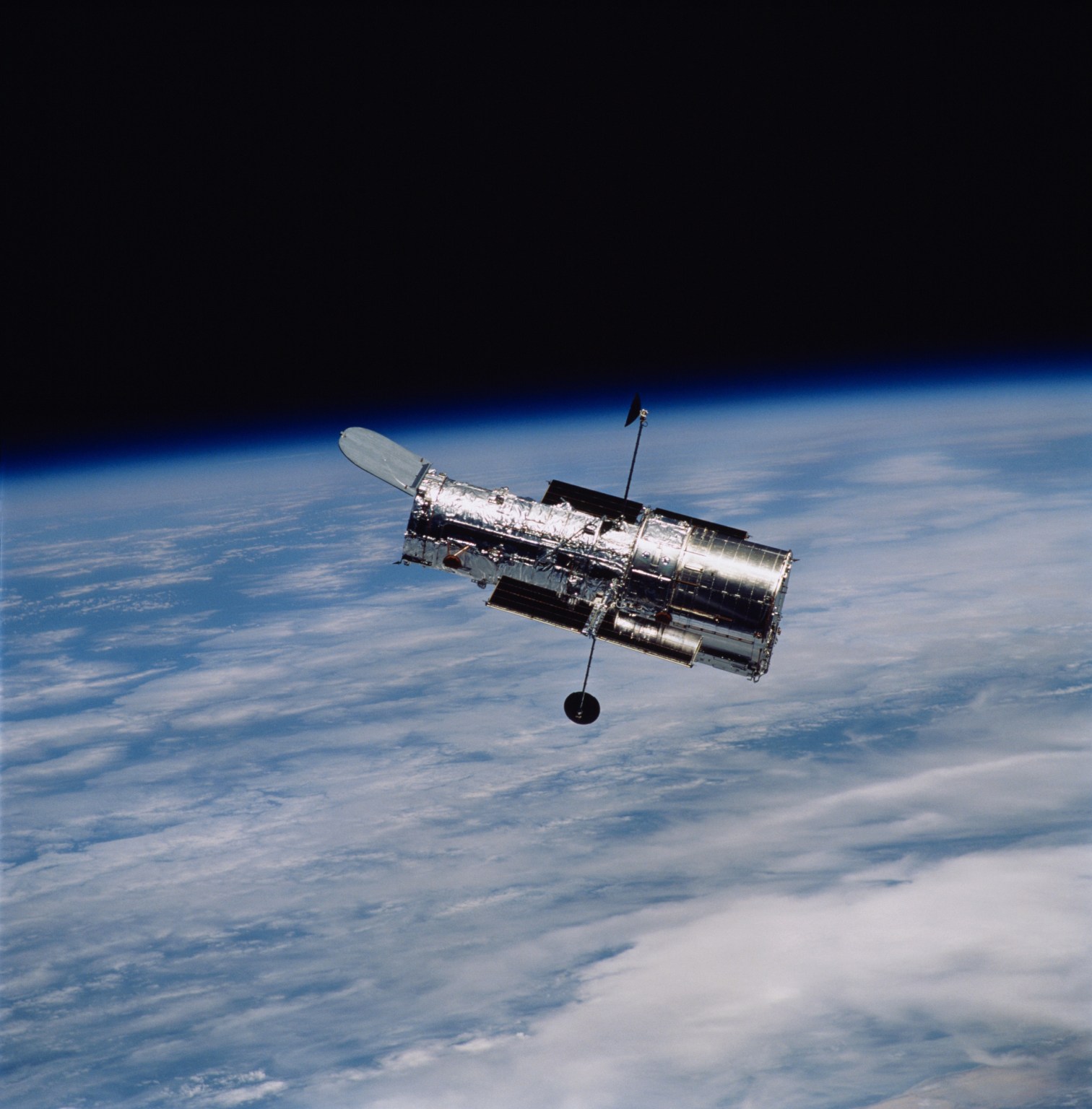
NASA has issued a Request for Information on October 29 to assess industry capabilities for in-space servicing intended to support the Hubble Space Telescope. The agency is seeking innovative and cost-effective strategies to extend the operational life of the telescope, which has been a significant asset for scientific discovery for over 35 years.
“Hubble still has important science ahead of it, and we should be looking at every reasonable opportunity to keep it delivering for as long as possible,” stated NASA Administrator Jared Isaacman. He emphasized the importance of exploring options to prolong Hubble’s mission, which could lead to further discoveries and enhance our understanding of the universe.
Focus on Extended Capabilities
The Request for Information aims to gauge commercial interest in several potential initiatives. These include a mission to elevate Hubble to a higher orbit to prolong its scientific operations, servicing the telescope to improve its functionality, or managing a safe re-entry into Earth’s atmosphere at the conclusion of its mission.
Nicky Fox, associate administrator of the Science Mission Directorate at NASA Headquarters, remarked on Hubble’s impact on humanity’s perception of the universe. Fox noted the rapid advancements in commercial space technology that could facilitate satellite servicing and capture. With Hubble’s anticipated re-entry projected between 2033 and 2034, NASA hopes to explore options for boosting the telescope’s orbit while laying the groundwork for future missions.
Timeline for Responses
The Request for Information is accessible online and will remain open for submissions until 3 p.m. EST on November 30. As Hubble’s altitude gradually decreases due to atmospheric drag, the telescope lacks a propulsion system to sustain its orbit. NASA estimates that a mission to support Hubble would need to occur by 2032.
Since its launch in 1990, the Hubble Space Telescope has been at the forefront of astronomical research, producing transformative discoveries that enhance our comprehension of the cosmos. The telescope operates as a collaborative project between NASA and the European Space Agency (ESA), with management provided by NASA’s Goddard Space Flight Center in Greenbelt, Maryland, and mission support from Lockheed Martin Space in Denver. The Space Telescope Science Institute in Baltimore, operated by the Association of Universities for Research in Astronomy, oversees Hubble’s scientific operations for NASA.
Source: NASA