NASA Invites Media to Attend von Braun Space Exploration Symposium
Members of the press are welcomed to join NASA at the upcoming 2026 von Braun Space Exploration Symposium, scheduled from October 26 to October 28 at the University of Alabama in Huntsville. This year’s event will center on key topics such as humanity’s return to the Moon, sustainable lunar infrastructure, advanced propulsion technologies, and the evolving landscape of the space workforce.
Panels and Discussions Planned
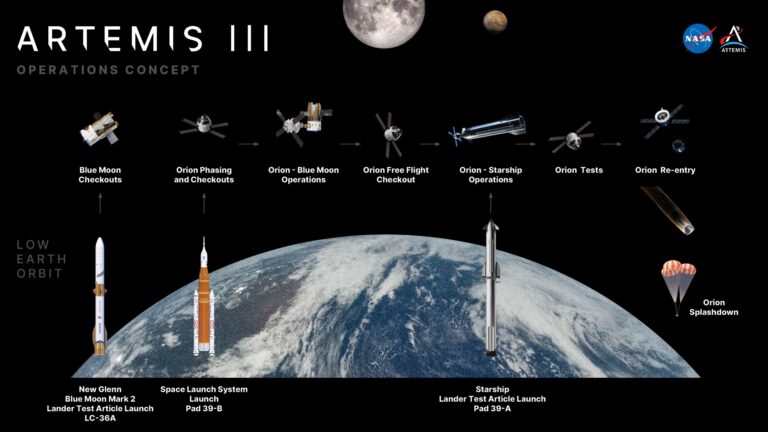
The symposium will feature a variety of panels, including discussions on the Artemis II and III missions, brief talks on space propulsion, and the establishment of utilities for sustainable lunar operations. Additional topics will cover the resilience of the Moon base supply chain, advancements in space nuclear technology, navigating the new NASA workforce, and engineering future possibilities. The program will also include keynote speakers and award presentations.
Notable Speakers from NASA
Among the speakers representing NASA are Deputy Associate Administrator Casey Swails, Stephen Cash, director of NASA Marshall, and Nicky Fox, associate administrator of the Science Mission Directorate at NASA Headquarters. Other notable participants include Artemis II launch director Charlie Blackwell-Thompson, Human Landing System program manager Steve Creech, and acting Orion Program manager Debbie Whitis Korth.
Interview Requests and Registration
Media representatives wishing to request interviews with NASA officials during the event should reach out to Lance D. Davis and Joel Wallace via their provided email addresses. Those interested in attending either in-person or online must register through the American Astronomical Society.
Collaboration and Goals of the Symposium
The American Astronautical Society, in partnership with NASA’s Marshall Space Flight Center, organizes this annual symposium. It aims to bring together leaders from various sectors, including government, industry, policy, and academia, to address the current state of space exploration and to strategize future initiatives.
Source: NASA