Fayetteville State University Unveils New College of Education
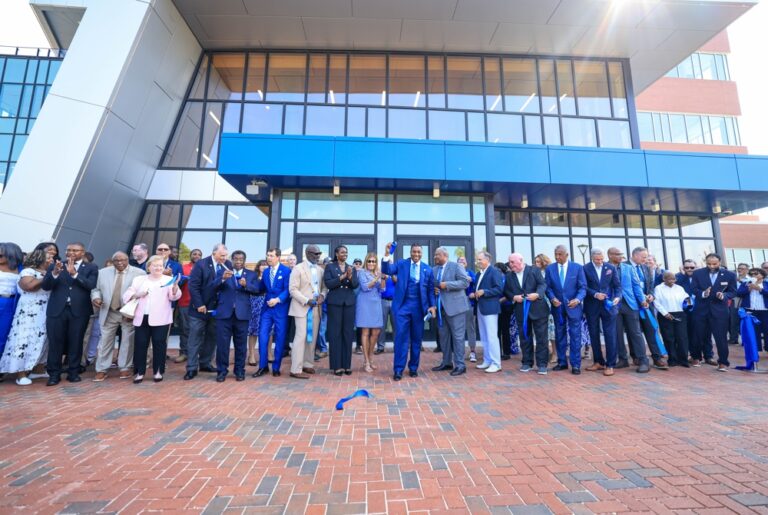
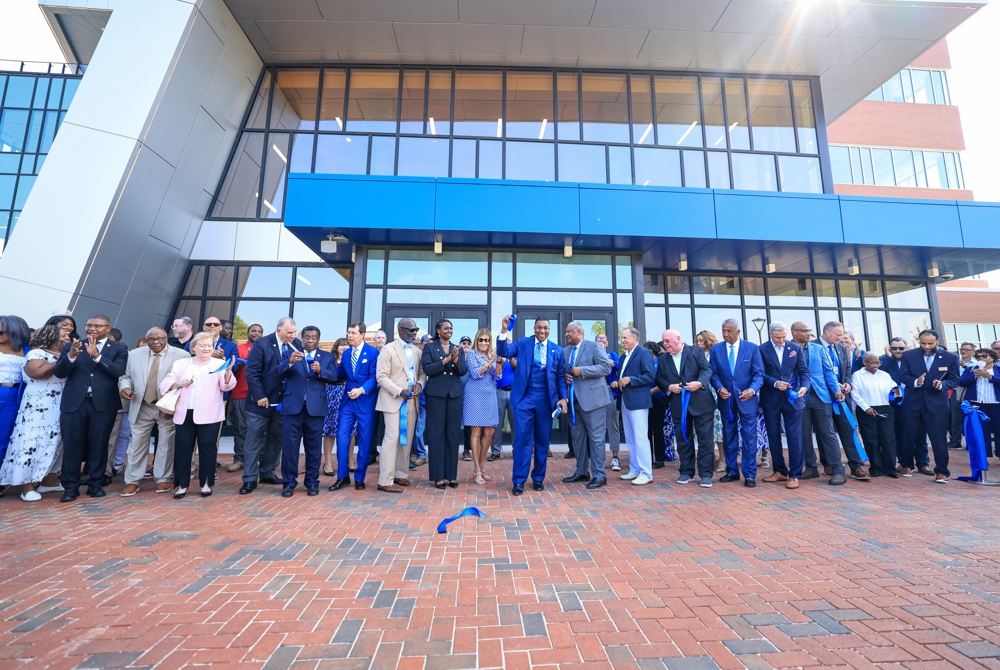
FAYETTEVILLE, N.C. – Fayetteville State University (FSU) has inaugurated a new College of Education facility, costing approximately $69.3 million, reinforcing its long-standing commitment to teacher training. This significant development, which spans 72,000 square feet, aims to enhance FSU’s capability to prepare future educators and accommodate the university’s growth.
The grand opening took place on August 20, 2026, with participation from various state and local officials, members of the University of North Carolina Board of Governors, FSU Board of Trustees, students, alumni, and community stakeholders. The construction of the new building was made possible through funding from the North Carolina General Assembly.
Addressing Teacher Shortages
This initiative aligns with the increasing demand for teachers and educational leaders across North Carolina, a challenge acknowledged by Chancellor Darrell T. Allison. He emphasized that teacher education is central to FSU’s mission, stating, “Teacher education was our founding purpose.” He noted that the investment will address the urgent need for more educators in the state.
Founded in 1867, FSU has historically focused on educating Black teachers, originating from a collective effort by seven Black men who sought to provide educational opportunities for Black children. The institution evolved into the State Colored Normal School, becoming the first state-supported establishment in North Carolina dedicated to training Black teachers.
Modern Facilities and Enhanced Learning
The new College of Education building consolidates various programs and resources previously scattered throughout the campus, creating a centralized space for students, faculty, and staff. The facility features modern classrooms, laboratories, conference rooms, a STEM lab, and outdoor learning areas, equipped with technology to support both traditional and hybrid learning environments.
Scott Krawczyk, Provost and Vice Chancellor for Academic Affairs, remarked on the broader opportunities this investment brings, enhancing teaching, scholarship, and educator preparation. He highlighted the importance of providing a state-of-the-art environment for students training to become educators, which also strengthens FSU’s ties with local schools and communities.
Community Connections and Future Collaborations
FSU students already engage with the community, exemplified by elementary education major Brooke Guglielmello, who shared her experiences at Jefferson Street Elementary, where she assists young learners in developing their reading skills. She expressed that teaching is more than a job; it is a calling.
Kellie Blue, Chair of the UNC Board of Governors, emphasized the vital role of public universities in serving their communities. The new facility will host reading clinics, special education programs, and the North Carolina Teaching Fellows Program, which provides financial assistance to aspiring teachers.
Architectural Significance and Future Vision
The design of the building reflects FSU’s historical roots and future aspirations. Elements throughout the facility symbolize the seven founders of the university, with design features that echo this significant aspect of its history. The project was one of the last designs by the late Curt Moody, a renowned Black architect.
As part of the celebration, a new artwork by artist Jerry Lynn was unveiled, destined to be a permanent installation in the building’s lobby. Associate Professor of Visual Arts and Design Dwight Smith noted that the piece aims to resonate with FSU’s culture and mission, inspiring students and alumni alike.
Partnerships for Educational Advancement
Metcon Construction, based in Pembroke, managed the construction of the facility. During the opening event, CEO Aaron Thomas announced a partnership with FSU’s construction management program, pledging $250,000 to support it. The partnership aims to integrate industry professionals into the educational experience, enriching student learning.
Chancellor Allison remarked that the new College of Education embodies a vision for the future, preparing the next generation of educators to tackle contemporary challenges and foster solutions for tomorrow’s issues.
Source: Fayetteville State University