Photo: NOAA
Strategies for Marine Debris Removal
Marine debris poses a significant environmental challenge across the United States, impacting both oceanic and freshwater ecosystems. The National Oceanic and Atmospheric Administration (NOAA) and its partners have been actively engaged in the removal of large-scale marine debris, addressing issues such as abandoned fishing gear, sunken vessels, and other hazardous materials. Since 2013, these efforts have led to the removal of over 50 million pounds of debris, which helps to enhance navigation safety, protect marine life, and support local economies.
Innovative Recovery Techniques
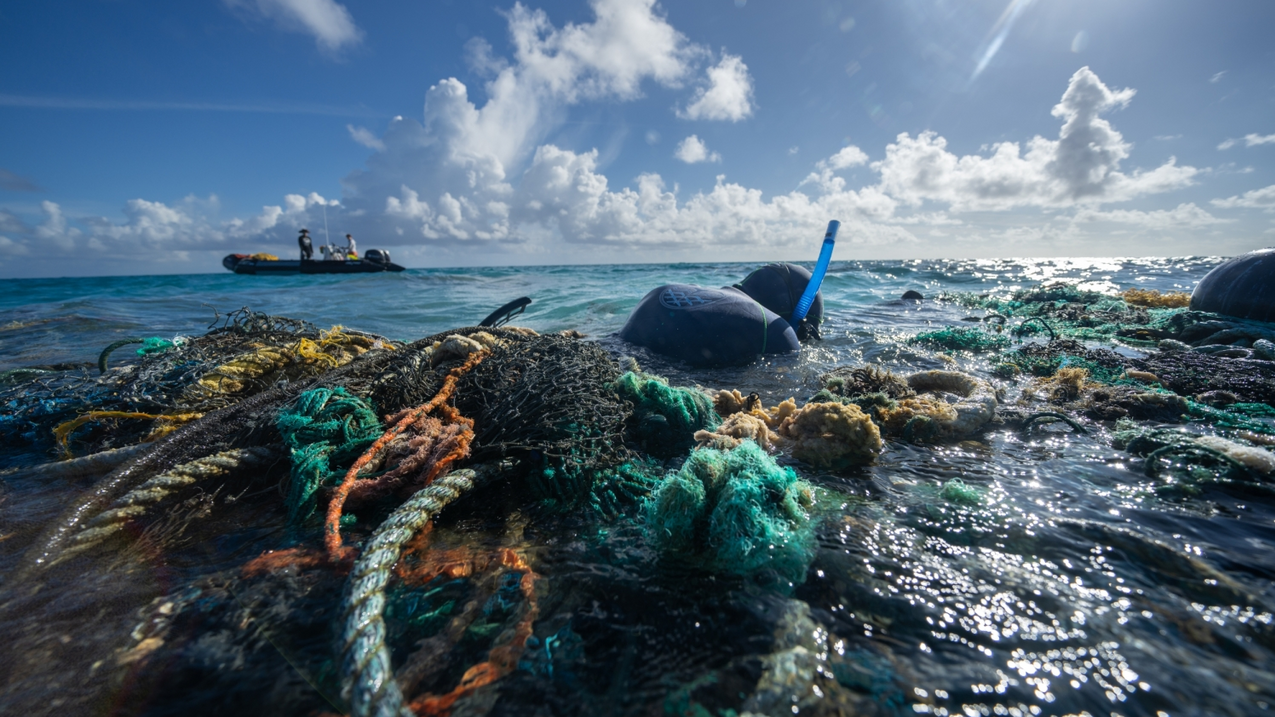
To tackle the complexities of marine debris removal, NOAA employs various techniques tailored to the specific nature and location of the debris. One method involves divers cutting loose ghost gear from the seafloor and using flotation devices to bring it to the surface. This is particularly important as lost fishing gear can continue to trap marine life long after it is abandoned. In deeper waters, remotely operated vehicles assist crews in locating and retrieving gear that would otherwise be inaccessible.
Another approach utilizes heavy machinery to lift substantial debris such as sunken barges and derelict piers. These structures can pose serious navigation hazards and may contain harmful pollutants. The removal process frequently requires cranes, salvage vessels, and extensive planning to ensure safety.
Hands-On Community Involvement
In addition to mechanical methods, hands-on removal techniques are crucial for addressing debris in challenging environments. Local commercial fishers and community volunteers often participate in retrieving abandoned gear by hand, especially in areas where larger vessels cannot operate. This method allows for more careful handling of the debris, and efforts can include cutting large nets into smaller pieces for easier transport.
In some cases, divers employ a pulley system to lift heavier pieces of debris onto boats, while other volunteers use surfboards to transport retrieved items from remote shorelines back to waiting vessels.
Aerial Support in Difficult Locations
In more remote or sensitive coastal areas, aerial assistance can significantly enhance debris removal efforts. Helicopters are used to airlift derelict vessels and other debris, thereby mitigating potential damage to fragile habitats. For instance, in Washington, crews have successfully transported large items without disturbing the surrounding environment.
This technique has proven effective in Alaska as well, where cleanup teams collect debris into large bags called “super sacks” before using helicopters for transport to offshore barges. This innovative approach allows crews to avoid hazardous conditions that can arise during traditional transport methods.
Ongoing Commitment to Marine Health
Since its inception in 2006, NOAA’s Marine Debris Program has spearheaded initiatives aimed at reducing the negative impacts of marine debris on oceans and the Great Lakes. Through collaborative efforts and diverse removal strategies, the program continues to work towards cleaner and safer marine environments.
Source: NOAA. Photo: NOAA.