New Insights on Mental Health Challenges
Black college students often face unique mental health challenges, with Black men particularly affected by higher rates of anxiety and stress. According to data from the Centers for Disease Control and Prevention, Black men are four times more likely to die by suicide compared to their Black female counterparts. This alarming statistic underscores the need for increased attention to mental health issues within this demographic.
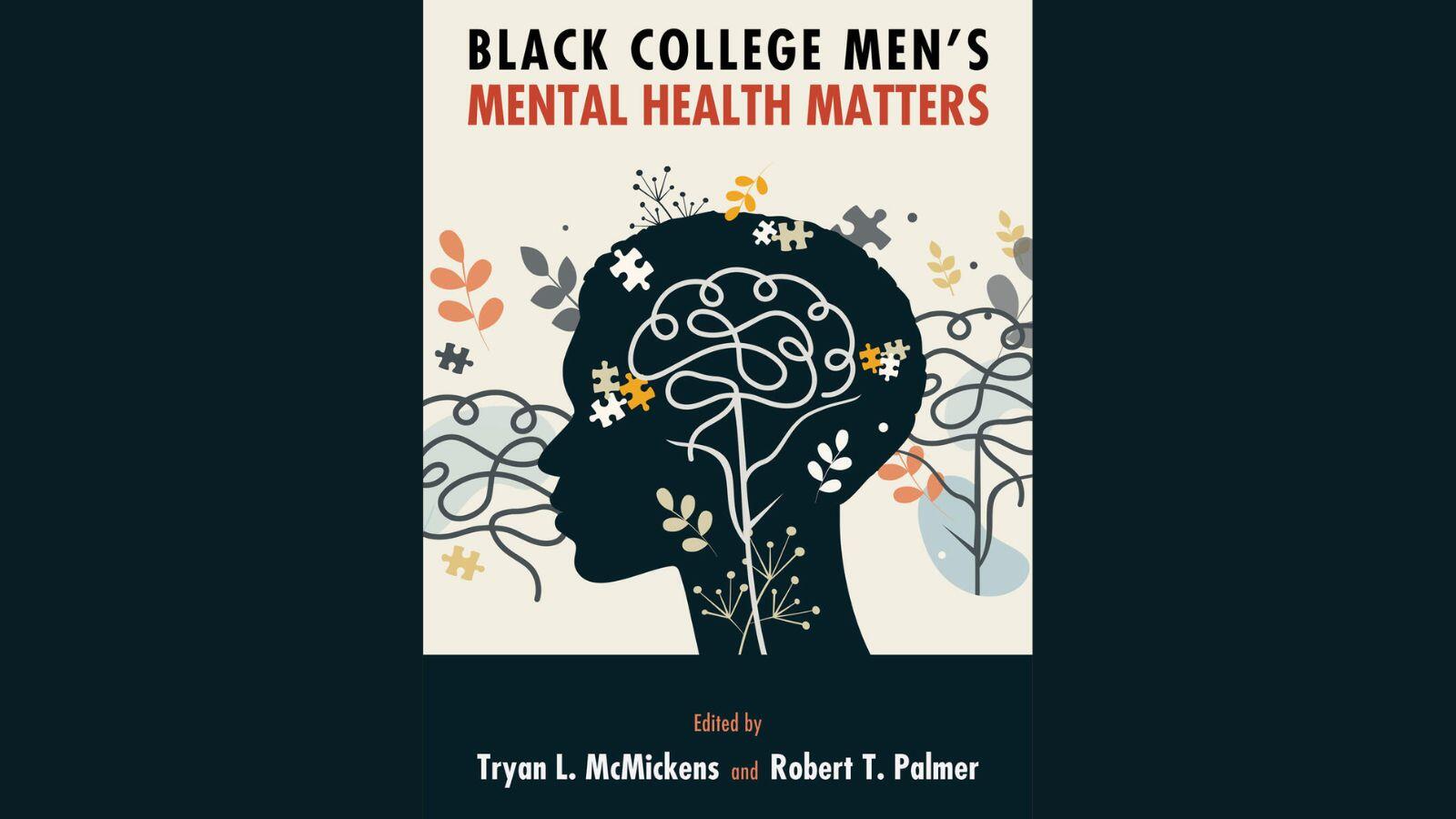
Tryan McMickens, Ed.D., who serves as the interim associate dean at the School of Education and a professor of higher education at North Carolina Central University, has co-edited and co-authored a new book titled “Black College Men’s Mental Health Matters.” Released in August by State University of New York (SUNY) Press, the book compiles research from various experts, including faculty, administrators, and mental health professionals.
Addressing Racial Battle Fatigue
One significant contribution in the book discusses the concept of racial battle fatigue, which refers to the ongoing stress stemming from experiences of racism and micro-aggressions. McMickens emphasizes the importance of cultural competence among clinicians and scholars, stating, “Without having an understanding of these types of oppression, a counselor might misdiagnose or not understand the full extent of the challenge.”
In addition to racial battle fatigue, the book covers a range of topics aimed at enhancing mental well-being on college campuses. These include implementing trauma-informed pedagogies and exploring the mental health narratives of Black men with disabilities through the lens of critical disability theory.
Barriers to Seeking Help
Despite the pressing need for mental health support, many Black college men are hesitant to discuss their mental health issues. McMickens notes that mental health is often considered a deeply personal subject, which can lead to reluctance in seeking help.
Furthermore, a chapter written by a counselor highlights the challenges that Black male students may encounter when looking for support. With fewer than 12% of counselors identifying as Black, finding a culturally competent counselor can prove difficult for Black male students seeking assistance.
Resources for Support
The book concludes with a collection of resources aimed at supporting the mental health of Black college men. Among these resources are the “Pivot” podcast, “All Black Men Need Therapy” podcast, the Black Mental Health Alliance, Melanin and Mental Health, and Call Blackline.
“Black College Men’s Mental Health Matters” represents three years of dedicated research and is part of a broader SUNY series focusing on critical race studies within education.
Source: North Carolina Central University