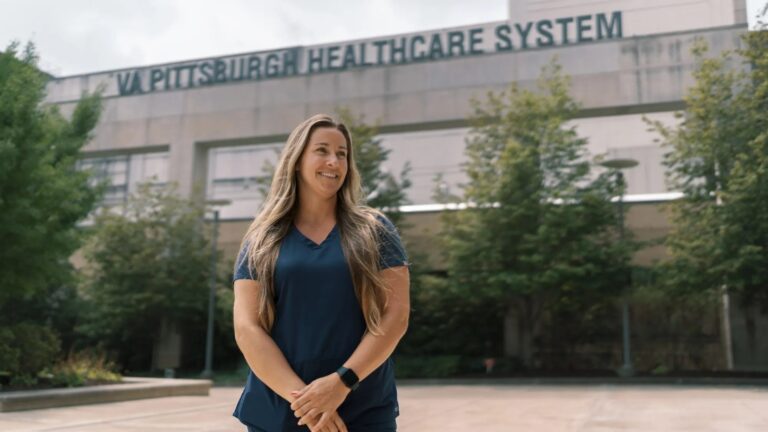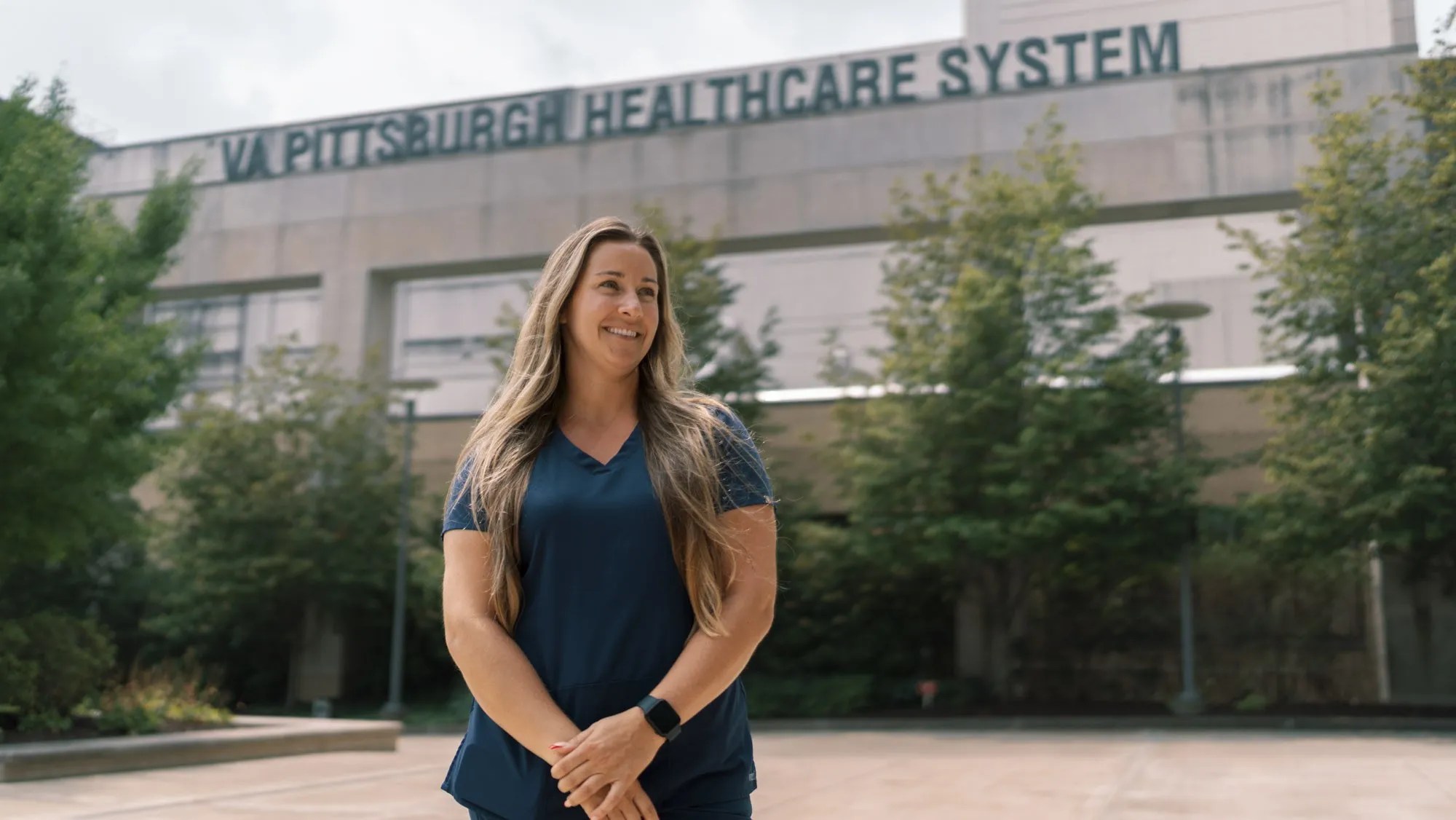
The Department of Veterans Affairs (VA) offers a range of primary care roles within its expansive healthcare system, the largest of its kind in the United States. With over 1,300 facilities located across all 50 states, Washington, D.C., and several U.S. territories, VA provides numerous options for healthcare providers to find a suitable work environment tailored to their skills.
Veteran Care at Medical Centers
VA medical centers (VAMCs) serve as the central hubs for veteran care within the VA system. These facilities are equipped to deliver a wide array of services, including surgery, critical care, and physical therapy, mirroring the offerings of conventional hospitals.
In addition to general medical care, many VAMCs provide specialty services such as oncology, geriatrics, and neurology. Some centers also offer advanced medical treatments, including organ transplants and plastic surgery. Positions in primary care at these centers closely resemble those found in private hospitals, where teams of doctors, nurses, and support staff collaborate to provide veterans with the care they have earned.
Community Clinics for Convenient Care
Community-based outpatient clinics (CBOCs) act as satellite facilities to VAMCs, delivering common outpatient services like health check-ups and wellness visits. These clinics are strategically located to enhance access to care, particularly in rural areas, minimizing the challenges veterans might face when traveling to larger medical centers.
CBOCs are designed to manage primary care needs, including assessment, diagnosis, and treatment of conditions that do not necessitate referrals to specialty services or inpatient care.
Specialized Care in Community Living Centers
Community Living Centers (CLCs) provide care that is akin to what is offered in private nursing homes, but with a focus on creating a home-like environment. Veterans may reside in these facilities for varying durations, from short-term stays to potentially long-term care.
The primary goal of CLCs is to enhance the well-being of veterans, with practitioners dedicated to preventing health declines and ensuring comfort, particularly for those nearing the end of life. Staff members often become vital sources of support for veterans during their most vulnerable times.
Home-Based Primary Care for Accessibility
Recognizing that some veterans face difficulties attending appointments due to health issues or geographic barriers, particularly in remote areas, the VA offers Home-Based Primary Care (HBPC). This program provides personalized, comprehensive healthcare in the veteran’s own home, promoting better health outcomes and satisfaction for both veterans and their families.
Providers in the HBPC program also experience a high level of job satisfaction, as they can see the direct impact of their care on the lives of veterans in their communities.
Join the VA Team
The VA presents various primary care opportunities that cater to different preferences and skills. With a commitment to veteran care, there are numerous environments for healthcare providers to explore within the VA system. According to the agency, interested individuals can find further information about joining their team.
Source: U.S. Department of Veterans Affairs