Study Reveals Insights into Hyperparasitism
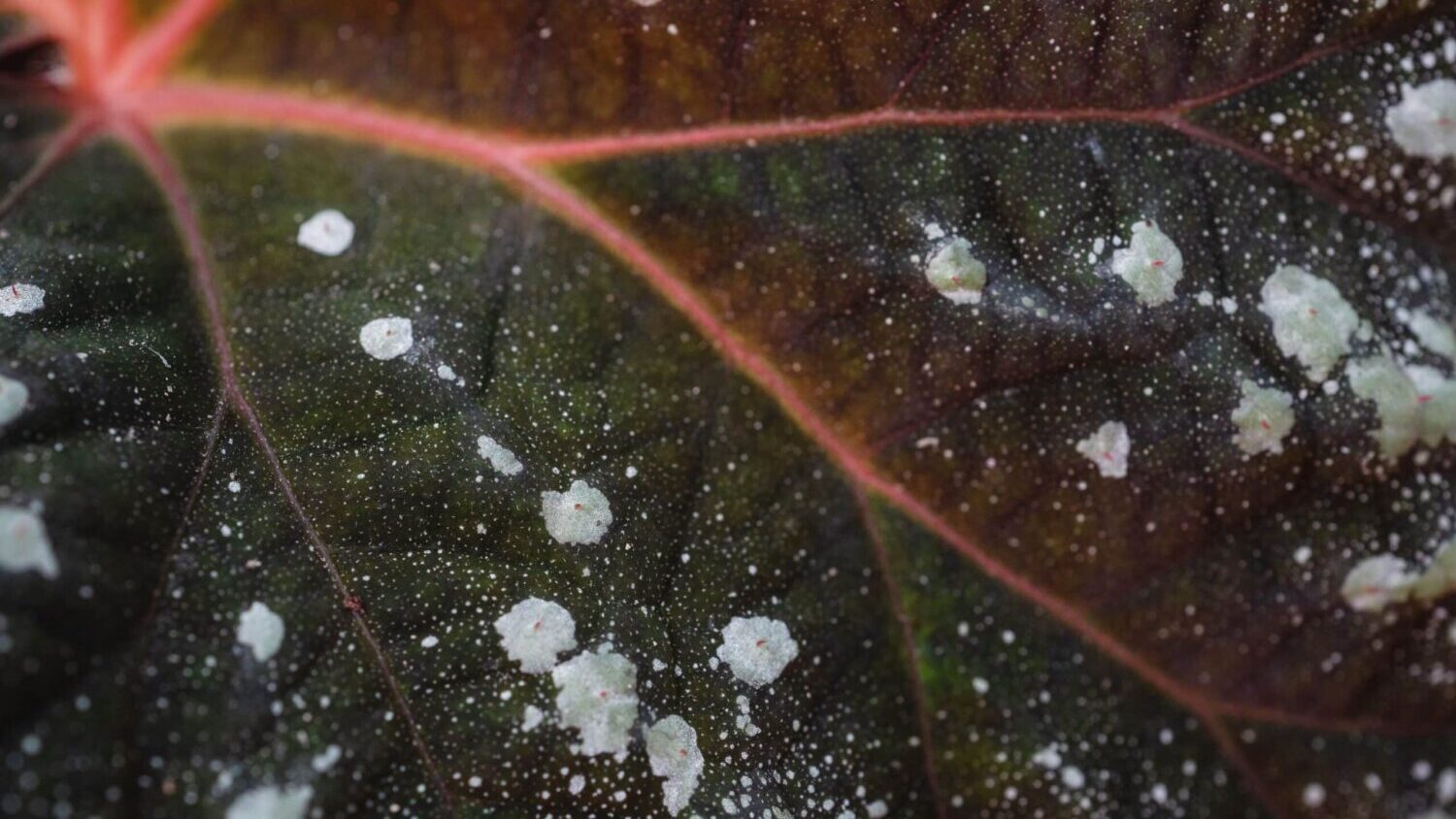
Research conducted at North Carolina State University has uncovered a significant prevalence of Ampelomyces, a type of intracellular fungus that targets powdery mildew, a plant disease. The study, which involved analyzing historical museum samples dating back approximately 150 years, has shown that Ampelomyces is far more widespread than previously understood. Furthermore, it identified that many samples classified as this fungus were actually misidentified.
Researchers examined over 600 dried specimens from the NC State herbarium, which contains a collection of plant and fungal samples, to gather information about the occurrence of Ampelomyces. These samples were sourced from 28 countries over the last century and a half, and were evaluated alongside samples available on GenBank, a public repository for genetic sequences. The analysis revealed that approximately 7% of the powdery mildew specimens studied were infected with Ampelomyces.
Michael Bradshaw, an assistant professor in entomology and plant pathology at NC State and the lead author of the study, indicated that expanding knowledge about hyperparasites, such as Ampelomyces, could lead to improved management strategies for the fungi they infect. He noted that understanding the diversity of these organisms might provide insights into which strains could be more effective in controlling the target fungus.
Misidentification of Samples Noted
A notable discovery was that about 15% of the specimens labeled as Ampelomyces in GenBank were found to be incorrectly identified. Bradshaw explained that the nature of these parasites makes accurate identification challenging. Misidentifications can proliferate, as erroneous data may be used by subsequent researchers to classify their own samples, resulting in a cycle of inaccuracies.
The findings highlight the valuable role of herbaria in studying various biological interactions, such as those between hyperparasites and their plant hosts. The study suggests that further research could involve expanding sample collections from a wider range of geographic areas and host types.
The research article, titled “Parasites of Parasites: Herbaria as Archives of Hidden Ecological Interactions,” has been published in the journal Proceedings B. The project received funding from the National Science Foundation and the Research Capacity Fund from the U.S. Department of Agriculture’s National Institute of Food and Agriculture.
Co-authors of the study include researchers from NC State and several universities both domestically and internationally, emphasizing the collaborative nature of the research.
Source: NC State University