Record High Water Levels Impact California Coast
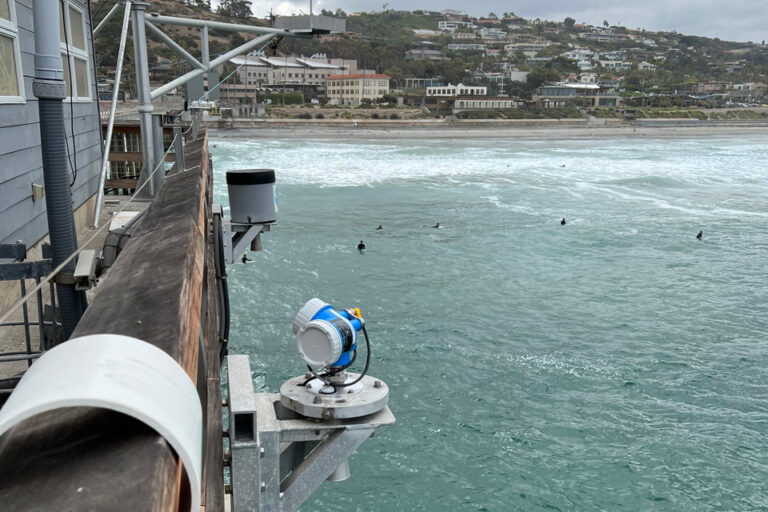
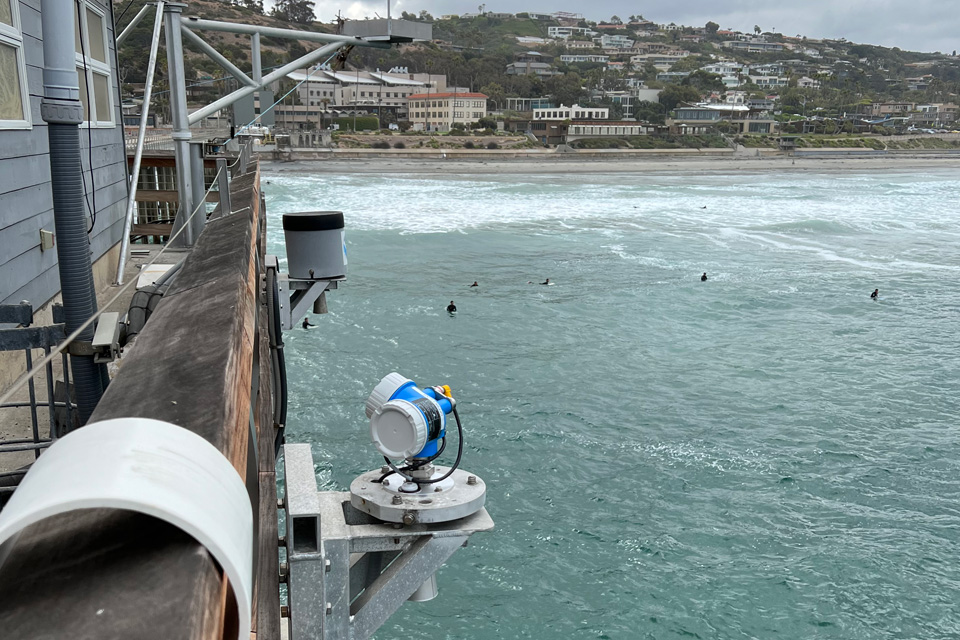
California coastal communities are experiencing significant flooding due to record-high water levels, a phenomenon influenced by this year’s strong El Niño. Tide gauges operated by the National Oceanic and Atmospheric Administration (NOAA) have recorded unprecedented water heights, some of which are the highest in over a century.
Specific Locations Break Records
Between October 24 and October 30, 2026, various sites along the California coastline noted water levels that exceeded previous records, measured above Mean Higher High Water (MHHW). Among the locations that reported their highest levels were:
- San Diego, measuring 2.80 feet above MHHW
- La Jolla, at 2.65 feet above MHHW
- Los Angeles, reaching 2.70 feet above MHHW
- Santa Barbara, also at 2.65 feet above MHHW
Additional sites recorded significant surges as well, with Santa Monica at 2.72 feet above MHHW, marking its second-highest reading, and Port San Luis and Monterey reporting their fourth and seventh highest levels, respectively.
Factors Contributing to Rising Water Levels
The surge in water levels is attributed to a combination of factors. Increased astronomical tides, influenced by the positions of the moon and sun, resulted in higher-than-normal tidal fluctuations. A recent perigean spring tide, which occurs when the moon is both full and closest to Earth, has significantly elevated tidal heights.
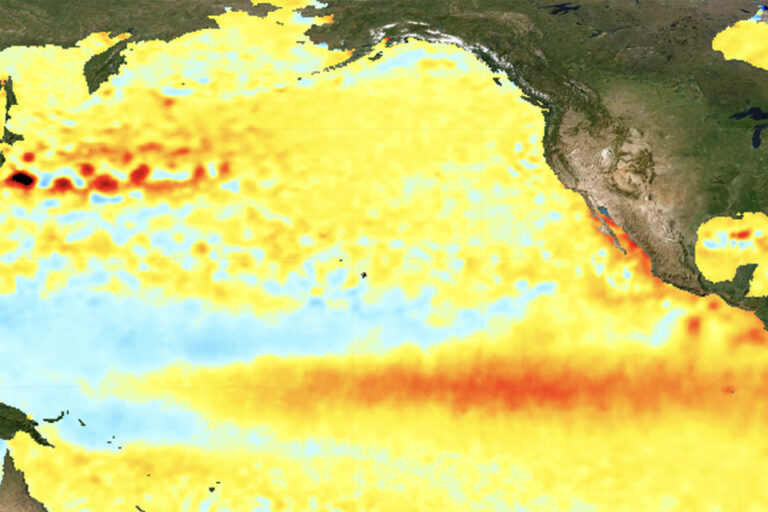
In addition, El Niño effects have produced Kelvin waves—large, slow-moving ocean waves that transport warm water eastward. These waves can raise sea levels by several inches as they travel along the U.S. West Coast. A marine heatwave is also contributing to the situation, as warmer water expands and occupies more volume, further increasing overall water levels and flooding inland areas.
Future Risks of Coastal Flooding
The current record water levels may not be a one-time occurrence. NOAA anticipates additional high tides from November 22-27 and December 22-26, 2026, which could elevate flooding risks further. These periods coincide with another perigean spring tide and the winter solstice, leading to additional concerns for communities along the coast.
Moreover, ongoing El Niño conditions are expected to generate more Kelvin waves, sustaining elevated water levels throughout the fall and winter months. The NOAA National Weather Service has indicated that wetter-than-average conditions are likely for the southwestern United States, which could intensify coastal flooding due to increased runoff from storm events.
Communities are advised to stay informed through NOAA resources, including the Monthly High Tide Flooding Outlook, which provides insights on upcoming days with heightened flooding risks.
Source: NOAA