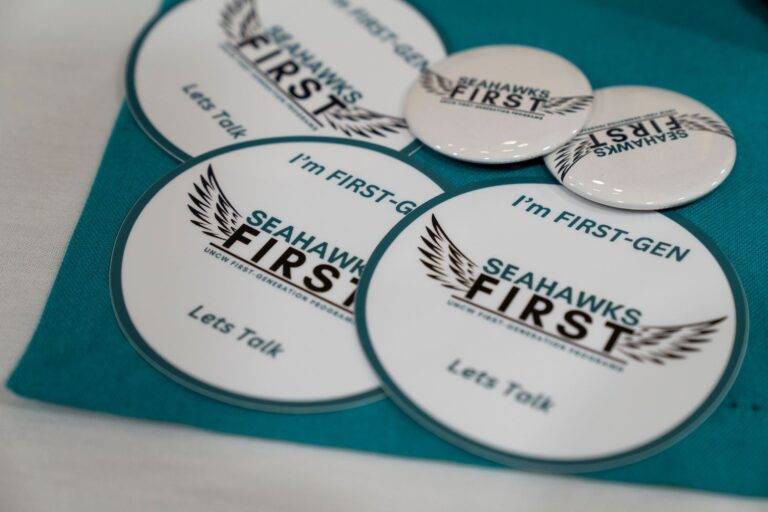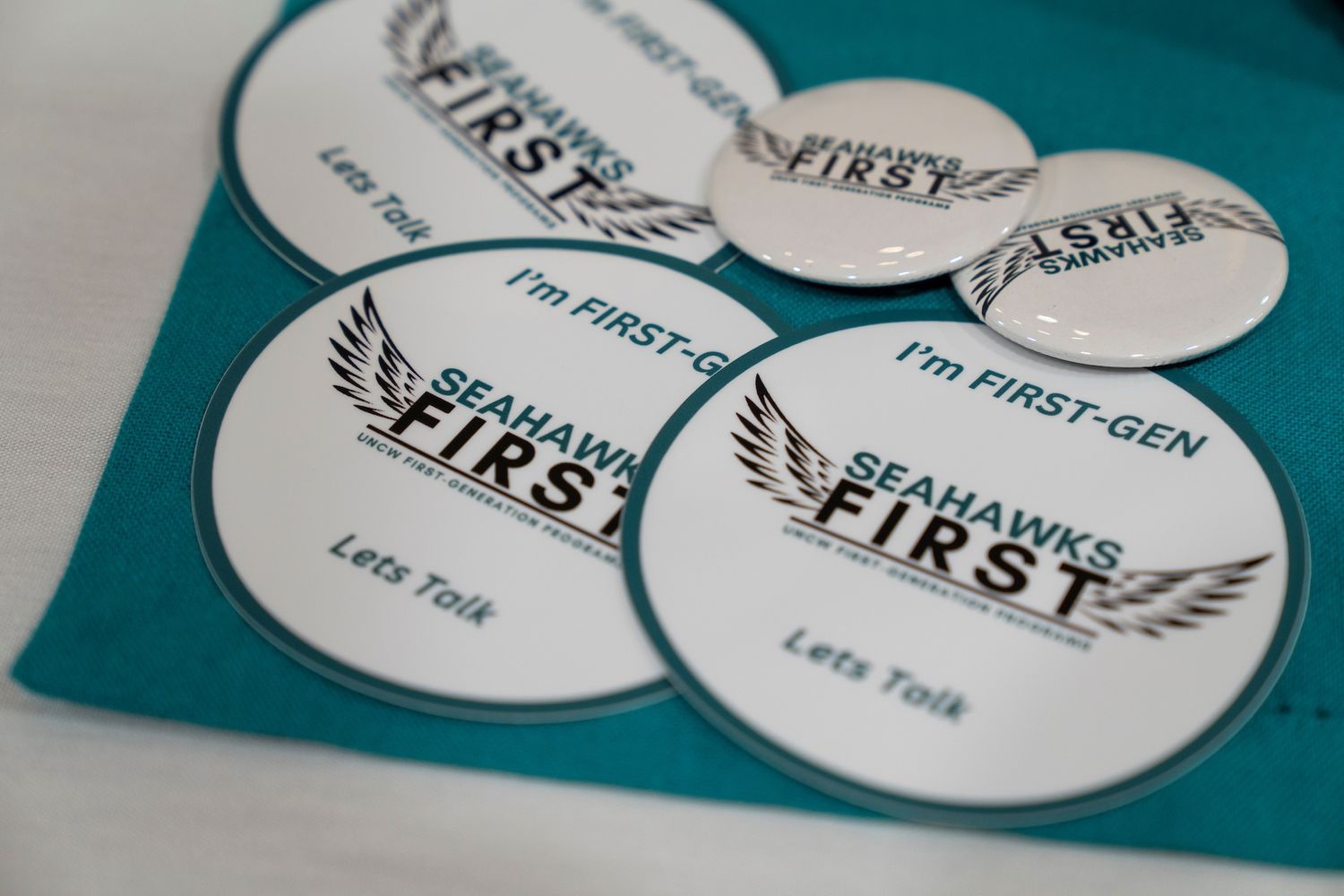
First-generation college students often face a challenging transition into higher education without the guidance of family members who have navigated the college experience. The University of North Carolina Wilmington’s Seahawks First program aims to assist these students by fostering connections, providing essential resources, and nurturing a sense of belonging as they embark on their academic journeys.
Program Overview
Initiated in 2023, the Seahawks First program specifically addresses the needs of students whose parents or guardians have not completed a four-year degree. While these students possess the same potential and academic capabilities as their peers, they encounter distinctive obstacles as they adjust to college life, according to Latisha Corpening, assistant director of the First-Generation program at UNCW. To help bridge this gap, Seahawks First offers workshops, lectures, and skill-building sessions that aim to boost students’ confidence and knowledge.
Building a Supportive Network
The program’s commitment extends beyond academic success; it focuses on enhancing the retention and graduation rates of first-generation students while fostering a greater sense of belonging at UNCW. For students like Payton Lowery, a digital arts major and member of the program, the support provided is invaluable. “Having people who can guide me and connect me with support has made those challenges easier to work through,” Lowery noted, emphasizing the program’s role in alleviating uncertainties about navigating college.
This academic year, the Seahawks First initiative introduced the Seahawks First Learning Community, which offers tailored support for a select group of first-year students adjusting to campus life. Participants also have the chance to earn scholarships and other benefits through their active involvement in the program.
Cultivating Connections
Creating meaningful connections is vital to the program’s effectiveness. Events such as the First-Generation Reception unite students with faculty, staff, and fellow first-generation peers. Collaborative efforts with the university’s first-generation student organization further enhance opportunities for social interaction and community building.
“Mentoring and personal connections are incredibly important,” Corpening stated. “They can help students move their goals from aspirational to attainable.” Lowery expressed her initial fears about fitting in at UNCW, but the First-Generation Program helped her connect with a supportive community.
Critical Support During Challenges
When Lowery faced doubts about her ability to continue her education, the program stepped in with more than just moral support. A pivotal conversation with Corpening provided her with vital resources and connections that helped her navigate her challenges. “Without that conversation, I honestly don’t know if I would still be at UNCW,” Lowery reflected.
A Vision for the Future
Corpening finds profound satisfaction in witnessing first-generation students achieve their graduation goals. She believes that these accomplishments are transformative, not only for the students but also for their families. “They are changing the trajectory of their family tree,” Corpening remarked, emphasizing the lasting impact of higher education on future generations.
Looking forward, Corpening envisions the creation of a dedicated First-Generation Center, enhanced mentoring programs, and a strengthened alumni network to further support these students. Her ultimate objective is to ensure that every first-generation student feels a sense of belonging and has access to the resources necessary for success.
“First-generation students are an important part of the UNCW community because they bring differing perspectives, lived experiences, strengths and aspirations that enrich the university as a whole,” Corpening added. “Their presence also reflects one of higher education’s fundamental purposes: expanding access to knowledge, opportunity, and pathways to social and economic mobility.”
To bolster the efforts of first-generation students, faculty, staff, and alumni interested in mentorship, advocacy, or engagement opportunities are encouraged to reach out to the program for involvement.
Source: UNC Wilmington