Chornobyl Dog Study Reveals Genetic Insights
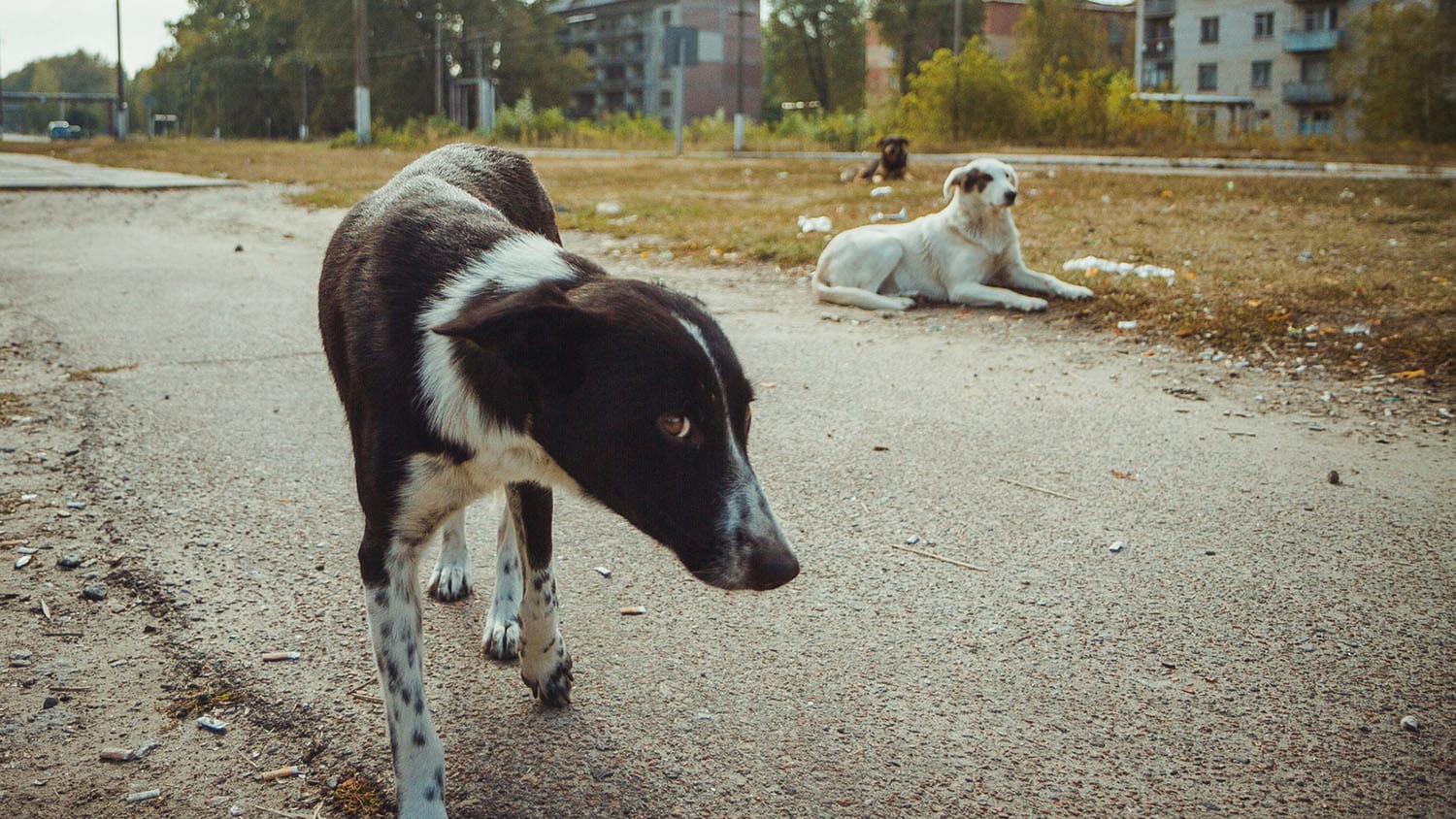
Recent research into the free-ranging dog population in Chornobyl has concluded that genetic distinctions between these dogs and other isolated populations are likely the result of directional selection rather than random mutation. This study indicates a possible link between genetic selection and environmental conditions, contributing to the understanding of local adaptation and genomic resilience in polluted areas.
Prior investigations had examined the genetic variations between two dog groups: those residing near the Chornobyl Nuclear Power Plant (NPP) and another group located approximately 10 miles away in Chornobyl City. Findings showed that the dogs in Chornobyl City exhibited genetic similarities to populations in Russia, Poland, and nearby regions, while those from the NPP demonstrated notable differences, particularly in areas linked to DNA repair mechanisms.
Megan Dillon, a postdoctoral research scholar at North Carolina State University’s College of Veterinary Medicine, explained, “This work ties up some of the loose ends from our previous work, where in characterizing the population’s genetic structure we found that while these two dog groups are geographically very close, they have a very high degree of genetic difference, and those differences aren’t due to mutation.”
Investigating Evolutionary Drivers
The research team sought to determine whether the observed genetic differences resulted from natural selection or genetic drift, which occurs randomly in isolated populations. Natural selection favors genes that enhance an individual’s fitness in a given environment, while directional selection specifically favors a limited number of traits across a population, often in response to environmental shifts.
Genetic drift, on the other hand, refers to random changes in genetic makeup that can lead to a loss of variation, particularly in small populations. The researchers compared genomic data from the Chornobyl dogs with that of free-breeding dogs from Eastern Europe and an isolated dog population from the Galápagos Islands to better understand the influences of isolation and environmental factors on the NPP dogs.
The effective population size of the NPP dogs was found to be small, but it was comparable to that of the Chornobyl City population. Additionally, the NPP population did not show indications of reduced genetic diversity that would typically suggest genetic drift.
Genomic Findings and Implications
Significantly, the NPP dogs displayed genetic differences when compared to other isolated dog populations, including those from the Galápagos Islands. In contrast, the Chornobyl City dogs were more genetically akin to the Galápagos dogs than to their counterparts at the NPP.
Further genomic analysis of the NPP dogs revealed signs of directional selection at over 100 sites associated with critical biological functions, including cancer development, DNA replication and repair, as well as immune system responses. Dillon remarked, “While we can’t say for certain whether what we’ve found can be directly confirmed as selection, we do find these genomic signatures suggestive of selection.”
Matthew Breen, an esteemed professor at NC State, noted that while the harsh environment in Chornobyl might imply genetic consequences for the dogs, the findings suggest that the surviving dogs may have possessed inherent genetic diversity that conferred greater fitness, allowing them to adapt to their surroundings.
Research Collaboration and Publication
The findings of this study appear in the journal Genes, with Dillon serving as the lead author. Contributions were made by Reade Roberts, an associate professor at NC State, Jennifer Betz from Visiting Veterinarians International, Timothy Mousseau from the University of South Carolina, and Norman Kleiman from Columbia University.
This research not only sheds light on the genetic adaptation of dogs in a contaminated environment but also enhances the understanding of how living organisms can respond to and survive in adverse ecological conditions.
Source: NC State University