National Recognition for FSU’s Programs
The article, titled “Inside Fayetteville State University’s Military Connected Student Ecosystem,” details how FSU is addressing the evolving landscape of undergraduate education with a focus on affordability, academic assistance, and flexible degree paths.
Meeting Diverse Student Needs
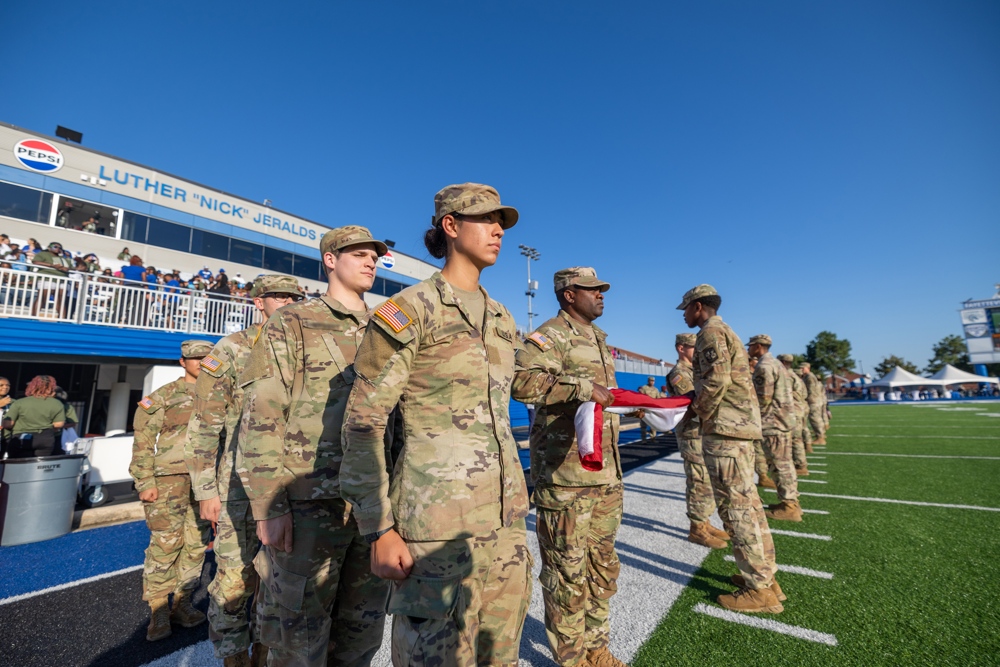
FSU’s student demographic reflects a shift away from traditional college norms, with over 33% of its enrollment consisting of military-affiliated individuals, including active-duty members, veterans, reservists, and their families. Additionally, the university actively supports a substantial number of adult learners and transfer students.
Financial barriers often deter students from pursuing higher education. A 2025 survey by Deloitte indicated that more than half of Gen Z and Millennial respondents would choose not to enroll in college due to cost concerns, despite the national average for in-state public four-year tuition being $11,950.
Affordable Tuition Options
Fayetteville State University significantly mitigates these financial challenges through the NC Promise Tuition Plan, which offers North Carolina residents a tuition rate of just $500 per semester, while non-residents pay $3,500 per semester starting in Fall 2026. This pricing model aims to make college more accessible for all students.
In addition to tuition, FSU provides various funding opportunities to help cover other expenses such as fees, books, housing, and meals. Military-affiliated students can utilize benefits from the Military Tuition Scholarship, Department of Defense Tuition Assistance, GI Bill, and the expanded TRIO Student Support Services-Veterans program.
Credit for Prior Learning
FSU also acknowledges the valuable skills and knowledge that students may bring from military service, previous academic experiences, or professional backgrounds. Military students can leverage their Joint Services Transcript to explore potential academic credits for their training. Furthermore, FSU participates in the Air University Associate to Baccalaureate Cooperative, which facilitates degree progression for eligible Air Force personnel.
Transfer and returning students benefit from tailored advising and tools designed to evaluate how their previously earned college credits can be applied toward an FSU degree. Collaborative efforts with North Carolina community colleges further enhance the transition from two-year to four-year programs.
Flexible Learning Opportunities
Flexibility is also a core component of FSU’s offerings. The university provides online degree programs and multiple enrollment options throughout the year, allowing students to effectively balance their academic pursuits with military duties, employment, and family obligations.
Additionally, FSU’s 30/60/90 Graduate on Time Initiative encourages timely graduation by allowing eligible students to take advantage of Free Summer School to accumulate extra credits, contributing to a record enrollment of 4,827 students in Summer 2026.
Integrating Diverse Experiences
FSU’s combination of affordability, flexibility, and comprehensive support is particularly vital for students whose journeys to a bachelor’s degree may be influenced by military service, prior college experience, or extended breaks from academia.
At Fayetteville State University, these nontraditional students are already an integral part of the campus community.
Source: Fayetteville State University